
Beautiful Plants For Your Interior
Beautiful Plants For Your Interior
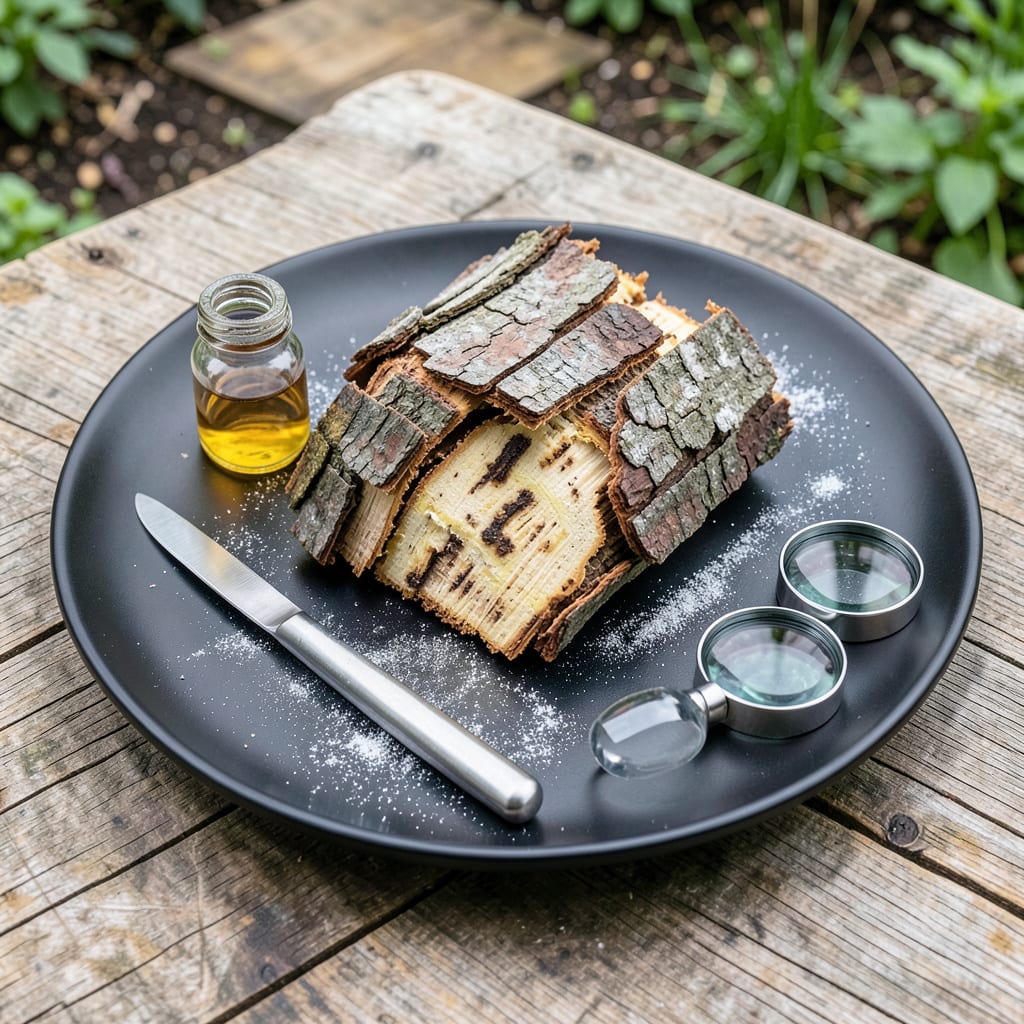
That first strip of bark peeling away stopped me in my tracks last summer. It wasn’t just ugly—it felt like the tree was shedding its armor. I’ve since learned that peeling bark often signals something deeper going on beneath the surface.
Most cases trace back to stress: extreme weather swings, poor soil conditions, or fungal invaders. The good news? Catching it early makes all the difference. A little observation now can prevent a whole season of decline later.
Organic solutions work surprisingly well if you act fast. Proper watering, mulching, and targeted sprays can help the tree recover. I’ve saved three mature trees this way—no chemicals required.
Works for maples, oaks, and fruit trees alike. Here’s how to spot the warning signs and turn things around.
Peeling bark can signal underlying stress or disease in trees. Here are the primary causes, explained clearly and scientifically.
Fungi like Hypoxylon or Valsa colonize weakened bark, breaking down its structure. These pathogens thrive in moist, poorly ventilated conditions, often entering through wounds or pruning cuts. Infected bark may turn dark, crack, or peel in patches.
Extreme weather—drought, frost cracks, or sun scald—can damage bark tissue. Drought weakens cellular bonds, while rapid temperature swings cause expansion and contraction, leading to peeling. Trees in urban areas with heat-reflecting pavement are especially vulnerable.
Borers, beetles, and bark-feeding insects tunnel beneath the surface, disrupting the tree’s vascular system. The tree’s response to this trauma can include shedding bark to isolate the damage. Look for tiny holes or sawdust-like frass near peeling areas.
A lack of essential nutrients (e.g., potassium or magnesium) weakens bark integrity. Soils with poor drainage or high pH can lock out nutrients, making bark more susceptible to peeling. A soil test can confirm deficiencies.
Physical injuries from lawnmowers, construction, or improper pruning create entry points for decay. Even minor wounds can trigger a peeling response as the tree attempts to heal and compartmentalize the damage.
Addressing peeling bark starts with identifying the root cause. Here’s a practical guide to fixing common issues and keeping your trees healthy.
If fungus is the culprit, prune affected branches to increase airflow and reduce moisture. Apply a copper-based fungicide or neem oil spray to infected areas, following label instructions. Remove fallen leaves and debris to prevent reinfection.
Prevention: Space trees properly during planting, and water at the base to avoid wetting the bark.
For borers or beetles, introduce beneficial insects like nematodes or ladybugs to control pests naturally. For severe cases, use horticultural oil or insecticidal soap, targeting the bark during the pests’ active season.
Prevention: Inspect trees regularly for early signs of pests, and maintain tree vigor with proper fertilization.
If peeling is due to drought, heat, or frost, adjust your care. Mulch around the base to retain moisture, and use shade cloth for young trees in extreme heat. In winter, wrap vulnerable trunks with burlap to protect from frost cracks.
Prevention: Water deeply during dry spells and avoid over-pruning, which can expose bark to harsh conditions.
Clean cuts with sterilized tools and apply a tree wound dressing to prevent infection. Avoid using lawnmowers or trimmers near the trunk to prevent accidental injuries.
Prevention: Mark tree zones with mulch or fencing to keep equipment at a safe distance.
💡 Pro Tip: Always sterilize pruning tools between cuts with rubbing alcohol to avoid spreading disease.
Yes, if caused by fungal or pest issues. Fungi like Hypoxylon can spread via spores, while borers may move between nearby trees. Isolate affected trees and treat promptly to prevent transmission.
Normal shedding is gradual and seasonal, often in thin strips. Disease-related peeling appears in patches, with discoloration or oozing. Compare affected areas to healthy bark for clues.
Remove damaged bark with sterilized tools, then apply copper fungicide or wound dressing. Improve care by mulching and watering deeply to reduce stress.
