
Beautiful Plants For Your Interior
Beautiful Plants For Your Interior
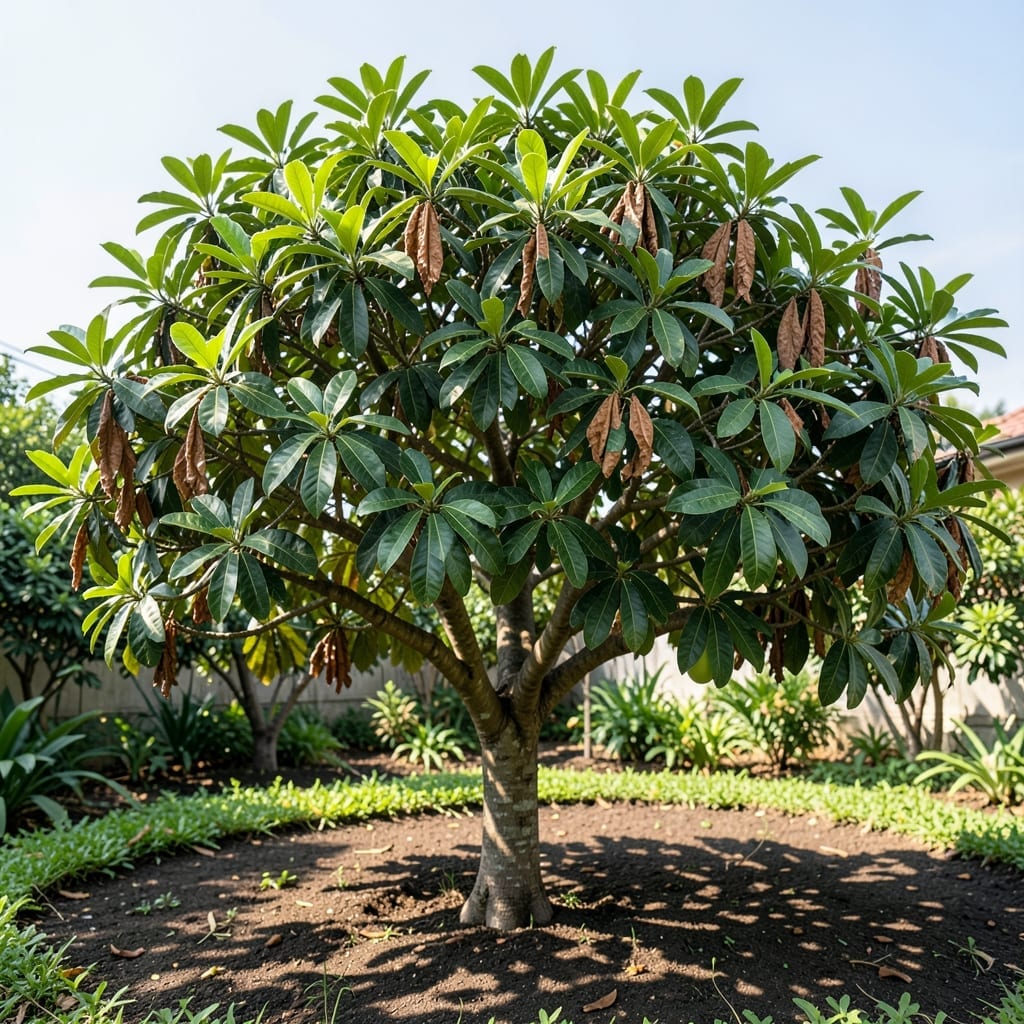
Brown leaves on your mango tree aren’t a death sentence. I’ve nursed trees back from far worse, and the fixes are simpler than you’d think.
Most cases come down to 3 common culprits: water stress, nutrient imbalance, or environmental shock. The good news? Each has a clear solution once you know what to look for.
You’ll spot the difference between crispy, dry edges (underwatering) and soft, yellowing brown (overwatering) within 24 hours of closer inspection.
Works for potted trees, backyard specimens, or tropical climates. Here’s how to diagnose and fix it fast.
Mango trees develop brown leaves due to a mix of environmental, nutritional, and pathological factors. Here’s a breakdown of the most common causes:
Mangoes thrive in warm climates (70–100°F), but heat stress above 104°F or cold snaps below 40°F can scorch leaves, turning them brown and crispy. Frost damage disrupts cell membranes, while excessive heat increases transpiration, leading to dehydration and necrosis.
Both overwatering and underwatering trigger browning. Soggy soil suffocates roots, reducing oxygen uptake and causing Phytophthora root rot, which manifests as yellowing then browning. Conversely, drought stress forces the tree to sacrifice older leaves to conserve water, starting at the tips.
A lack of key nutrients like magnesium (Mg) or potassium (K) often shows up as brown leaf margins or interveinal browning. Magnesium deficiency starts in older leaves, while potassium deficiency appears as scorched edges. Soil pH outside the 6.0–7.5 range can lock out these nutrients, even if present.
Pathogens like Alternaria alternata (leaf spot) or Xanthomonas (bacterial leaf spot) create brown or black lesions. High humidity and poor air circulation accelerate fungal spread, while bacterial infections thrive in wet foliage. Infected leaves often drop prematurely.
Sap-sucking pests such as scale insects or mango hoppers weaken trees by draining nutrients, leading to stunted growth and brown, curled leaves. Their sticky honeydew also promotes sooty mold, which blocks sunlight and exacerbates stress.
Addressing brown leaves on mango trees starts with identifying the root cause. Below are targeted fixes for common issues, paired with prevention tips to keep your tree thriving.
Fix: If overwatering is the culprit, let the soil dry to a depth of 2–3 inches before watering again. For underwatered trees, deep-water once or twice a week, ensuring moisture reaches the roots. Use a moisture meter to monitor soil conditions.
Prevention: Apply a 2–3 inch layer of mulch around the base to retain moisture and regulate temperature. Avoid waterlogging by improving drainage with perlite or sand.
Fix: Test your soil to confirm deficiencies. For nitrogen lack, use a balanced fertilizer (e.g., 10-10-10) or organic options like compost. Magnesium shortages respond well to Epsom salt (1 tablespoon per gallon of water) sprayed on leaves.
Prevention: Fertilize every 2–3 months during the growing season. Rotate nutrient sources to avoid imbalances.
Fix: For pests like aphids or scale, spray with neem oil (2 tablespoons per gallon of water) weekly until gone. Fungal infections (e.g., anthracnose) can be treated with copper fungicide—apply as directed on the label.
Prevention: Prune infected leaves immediately and dispose of them far from the tree. Keep the area clean and avoid overhead watering to reduce fungal spores.
Fix: If sunburn is the issue, provide shade cloth during peak afternoon hours. For frost damage, cover young trees with blankets or burlap overnight. Transplant shock? Trim back damaged leaves and keep the tree hydrated.
Prevention: Acclimate new trees gradually to sunlight. Plant in a sheltered spot to minimize exposure to extreme weather.
Pro Tip 💡: Always sterilize pruning tools with rubbing alcohol to prevent disease spread between cuts!
Deep water 1-2 times per week during dry spells, allowing soil to dry 2-3 inches deep between waterings. Young trees need more frequent watering than established ones.
No, once leaves turn brown they won’t recover. Focus on fixing the underlying issue to prevent new leaves from browning. Remove damaged foliage to redirect energy.
Use a balanced 10-10-10 or 8-3-9 fertilizer every 2-3 months during growing season. Organic options like compost or fish emulsion work well too.
Crispy, dry edges mean underwatering. Soft, yellowing brown indicates overwatering. Check soil moisture 2 inches down to confirm.