
Beautiful Plants For Your Interior
Beautiful Plants For Your Interior
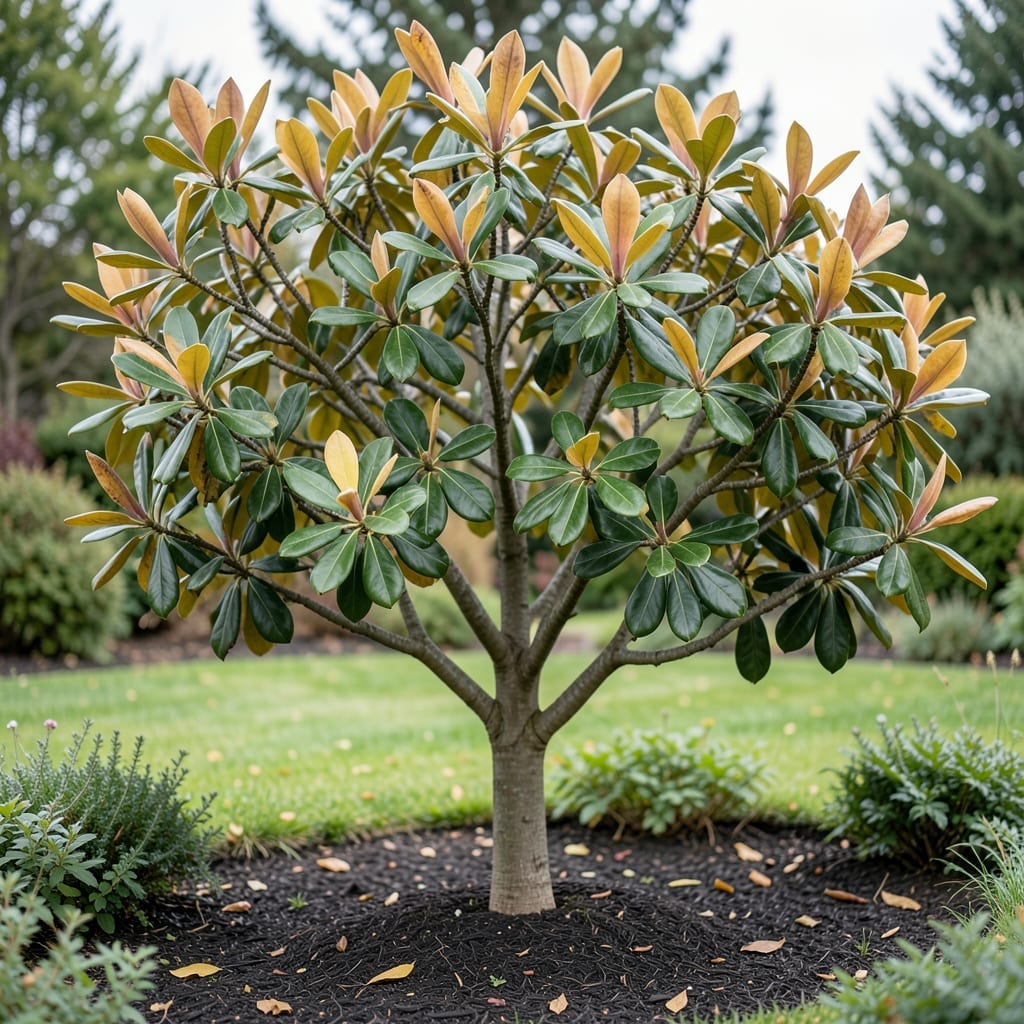
That sinking feeling when your magnolia starts dropping leaves early is all too familiar. I’ve stood under my own tree, watching the green carpet form below, wondering what went wrong this season.
Here’s the thing—leaf loss rarely means your tree is doomed. More often, it’s stress talking: too much water, too little, or a nutrient imbalance throwing things off. Even a late frost can trigger this response.
The fix starts with playing detective. Check the soil moisture, inspect the leaves for spots or pests, and consider recent weather changes. Most issues are easier to fix than you’d think.
With a few adjustments, you’ll see new growth returning within 2-3 weeks. The key is acting before the problem spreads to the rest of the tree.
Magnolias are hardy trees, but even they can shed leaves unexpectedly. Here’s why it happens and what’s behind each trigger.
Extreme temperatures, drought, or sudden frost can shock your magnolia, leading to leaf drop. These trees prefer consistent moisture and moderate climates. High heat dries out the soil, while frost damages tender foliage. Ensure your tree gets 1–2 inches of water weekly and mulch to retain soil moisture.
Fungi like Phytophthora root rot or powdery mildew attack magnolias, especially in poorly drained soil. Root rot suffocates roots, cutting off water and nutrient supply, while mildew weakens leaves. Improve drainage and avoid overhead watering to prevent fungal spread. Copper fungicides can help if caught early.
Scale insects, spider mites, and aphids sap nutrients from leaves, causing them to yellow and drop. Check the undersides of leaves for sticky residue (honeydew) or webbing. Treat with neem oil or insecticidal soap, and prune heavily infested branches to stop the spread.
A lack of magnesium (yellowing between leaf veins) or iron (pale leaves with green veins) can trigger premature leaf loss. Test your soil—magnolias thrive in slightly acidic (pH 5.5–6.5) conditions. Amend with compost or chelated iron if deficiencies are confirmed.
Too much water suffocates roots, leading to root rot and leaf drop. Magnolias need well-draining soil. If your tree sits in a waterlogged area, consider amending the soil with organic matter or installing a French drain to improve drainage.
If your magnolia is shedding leaves, act fast with these targeted fixes for common causes. Each solution is paired with prevention tips to keep your tree thriving long-term.
Fix: Check soil moisture 2 inches deep. If dry, water deeply once or twice a week (more in extreme heat). If soggy, hold off on watering and improve drainage by mixing in compost or sand. For potted magnolias, ensure the container has drainage holes.
Prevent: Mulch around the base (2–4 inches deep) to retain moisture, but keep mulch away from the trunk. Use a moisture meter for precision.
Fix: Remove infected leaves and branches immediately to stop the spread. Apply a copper-based fungicide or neem oil spray weekly until symptoms subside. Prune with sterilized tools to avoid contaminating healthy tissue.
Prevent: Space trees properly for airflow, and water at the base (not overhead) to keep foliage dry. Clean up fallen leaves and debris regularly.
Fix: Blast pests like scale or aphids off with a strong water spray. For stubborn cases, use insecticidal soap or horticultural oil, applying in the early morning or late evening. Repeat every 7–10 days as needed.
Prevent: Encourage natural predators (e.g., ladybugs) by planting companion flowers like marigolds. Inspect leaves weekly for early signs of pests.
Fix: Shield young trees from harsh winds or extreme heat with burlap wraps or shade cloth. If frost damage occurs, prune dead branches in late winter to stimulate new growth.
Prevent: Plant magnolias in a sheltered spot with partial shade in hot climates. Acclimate container-grown trees gradually to outdoor conditions.
Fix: Test soil pH (ideal: 5.0–6.5). Amend with lime to raise pH or sulfur to lower it. Apply a balanced, slow-release fertilizer (10-10-10) in early spring, or use a magnolia-specific formula for targeted nutrients.
Prevent: Feed established trees annually and new plantings every 6 weeks during the first growing season. Avoid over-fertilizing, which can burn roots.
💡 Pro Tip: Always sterilize pruning tools with rubbing alcohol between cuts to prevent disease transmission.
No, seasonal shedding is normal, especially in fall. However, sudden leaf loss in spring or summer often signals stress, pests, or disease.
Check soil 2 inches deep. Dry soil means underwatering, while soggy soil or yellowing leaves indicate overwatering. Adjust watering accordingly.
Blast pests off with water, then apply neem oil or insecticidal soap. Repeat every 7-10 days until pests are gone.
Yes, if caught early. Remove infected leaves, improve airflow, and apply copper fungicide. Prevention is key—avoid overhead watering.