
Beautiful Plants For Your Interior
Beautiful Plants For Your Interior
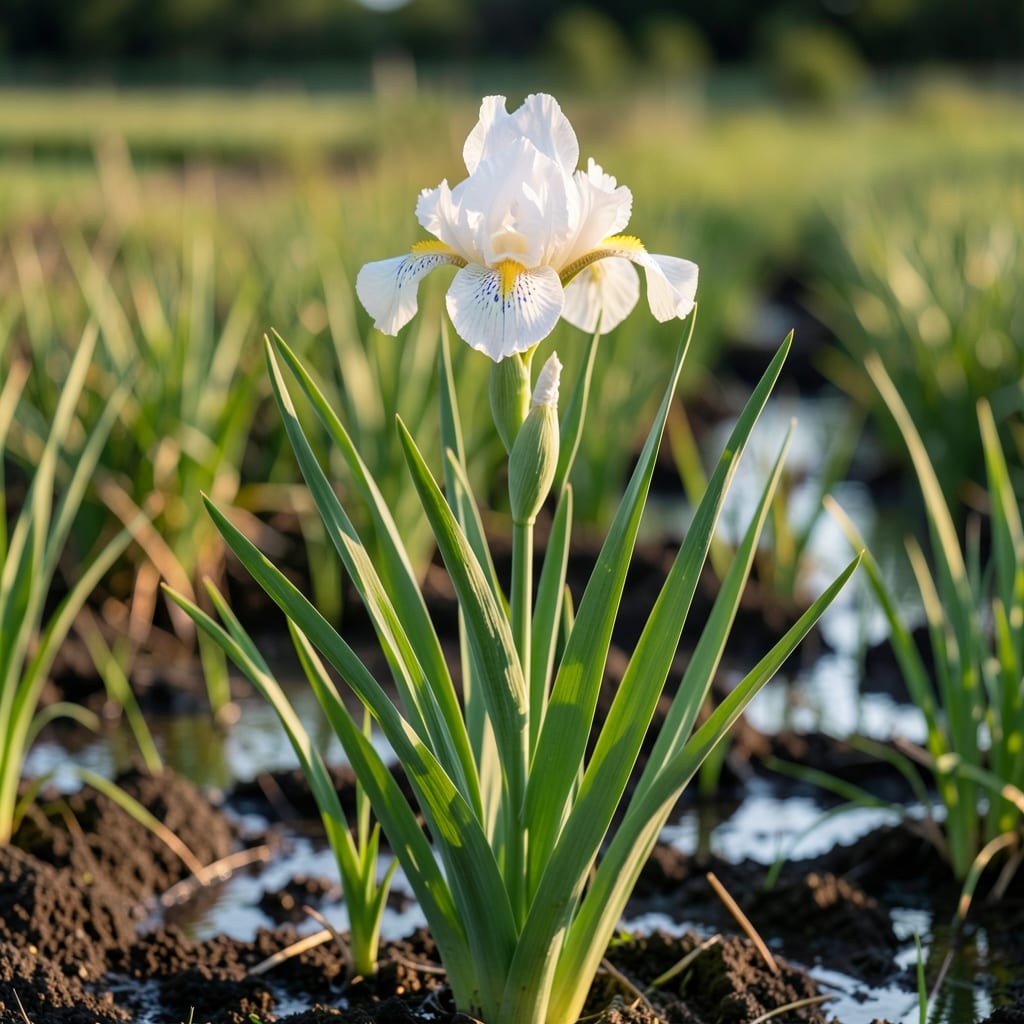
Common diseases include leaf spot, rot, and iris borers. Control involves removing affected foliage, improving drainage, and applying organic fungicides or neem oil for prevention.
In my experience, early detection is key to managing these issues effectively. Leaf spot often appears as brown or black patches on leaves, while rot typically causes wilting or yellowing at the base. Iris borers are trickier, as they tunnel into rhizomes, so I monitor for stunted growth or holes in the foliage. 🔥
Prevention starts with good garden hygiene—removing debris and avoiding overhead watering reduces disease risk significantly.
💡 In This Article
Leaf spot appears as small, water-soaked lesions that turn brown or black with yellow halos. These typically start on lower leaves and spread upward during warm, wet conditions. The fungus Didymellina macrospora thrives in 70-85°F temperatures with high humidity, making Louisiana’s climate a hotspot. 🔥
Root rot manifests as wilting, yellowing foliage, and stunted growth, often accompanied by a foul odor from decaying roots. This occurs in poorly drained soils where water pools around the rhizomes for 24+ hours. Phytophthora and Pythium fungi are the primary culprits, entering through wounded roots. ✨
Iris borers leave a distinctive trail of chewed foliage and watery, ragged holes in leaves. The larvae burrow into rhizomes, creating entry points for bacterial soft rot. Adult moths lay eggs in late summer, with larvae hatching the following spring to feed on new growth. 🌟
Bacterial soft rot causes mushy, dark-colored lesions that spread rapidly in wet, warm conditions. The bacteria Erwinia carotovora enters through wounds, turning rhizomes into a foul-smelling mush. This is often fatal if untreated, as the rot can spread through the entire clump within 1-2 weeks. ⚡
Seasonal patterns show leaf spot peaks in late spring, while borer damage becomes evident in early summer. Root rot can occur year-round but is most common after heavy rains or in areas with poor drainage. Early detection is key to preventing irreversible damage. 💫
Leaf spot fungus creates brown or black patches with yellow halos, especially during warm, wet weather. It thrives in 70-85°F with high humidity. Remove affected leaves and improve air circulation to prevent spread.
Ensure soil drains well and avoid water pooling around rhizomes for 24+ hours. Plant in raised beds if drainage is poor and amend heavy soil with compost. Morning watering helps foliage dry quickly.
Divide clumps every 3-4 years in late summer or early fall to prevent overcrowding. This reduces stress and improves resistance to pests and diseases. Use a sharp knife to separate healthy rhizomes.
Water deeply at the base, aiming for 1-1.5 inches per week. Morning watering is ideal, and in humid climates, water every 3-4 days instead of daily to keep foliage dry.