
Beautiful Plants For Your Interior
Beautiful Plants For Your Interior
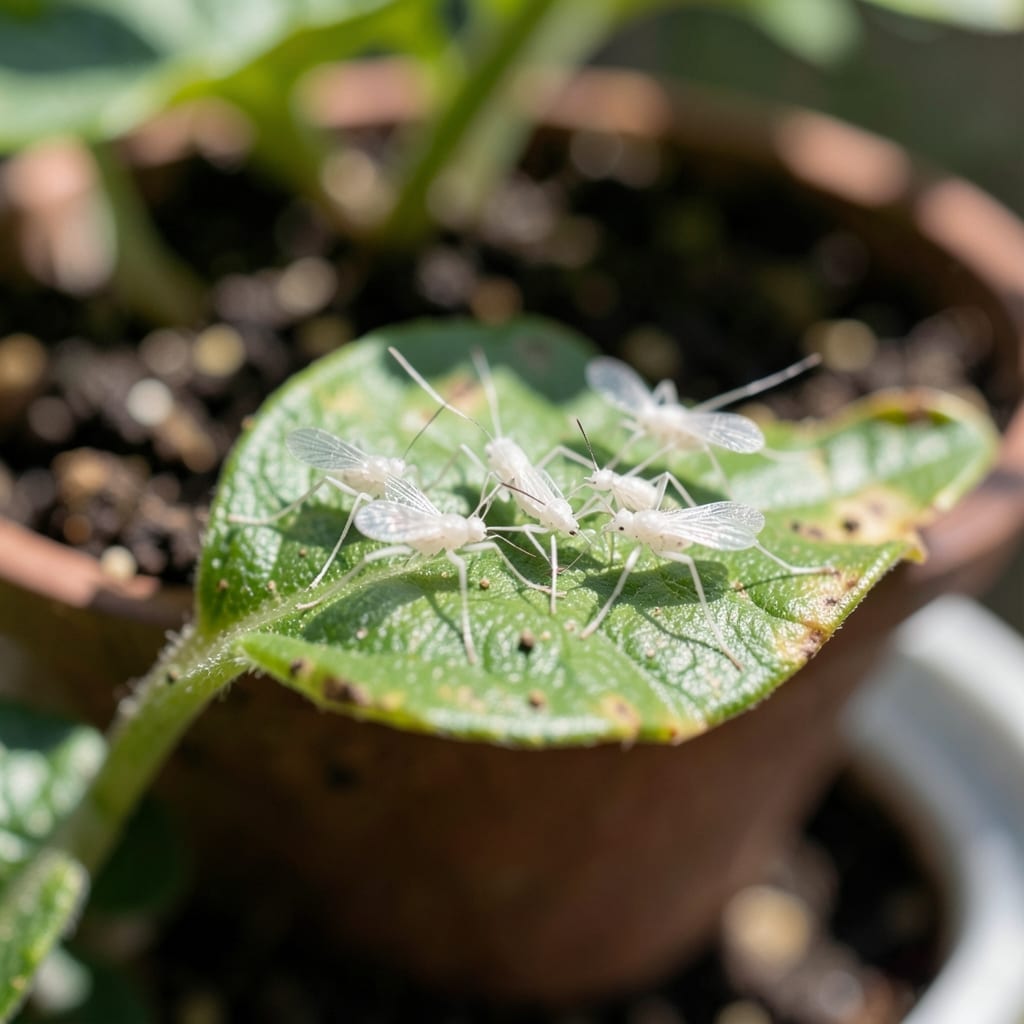
Tiny white gnats swarming your houseplants are more than annoying—they’re a sign something’s off. I’ve battled these pests in every indoor jungle I’ve ever kept, and the solution starts with understanding what’s attracting them in the first place.
Overwatering and soggy soil create the perfect breeding ground. These pests thrive in damp conditions, laying eggs that hatch into larvae feeding on organic matter and plant roots. The good news: you can break their life cycle with simple adjustments to your care routine.
Natural solutions work surprisingly well. A layer of sand on top of soil prevents adults from laying eggs, while a mixture of water and hydrogen peroxide kills larvae on contact. Within a week, you’ll notice a dramatic drop in their numbers.
Prevention is easier than cure. Let the top inch of soil dry between waterings, ensure proper drainage, and remove any decaying plant matter promptly. This keeps your plants healthy and gnat-free long-term.
Little white gnats, often fungus gnats or whiteflies, thrive in indoor plant environments due to specific conditions. Understanding the root causes helps prevent and control their spread. Below are the primary reasons these pests appear.
Excess moisture in potting soil creates the perfect breeding ground for fungus gnats. These insects lay eggs in damp, organic-rich soil, where larvae feed on decomposing plant matter and fungi. Overwatering is the most common culprit, as it keeps the soil consistently wet, encouraging egg-laying and larval development.
Unfinished compost, fallen leaves, or rotting plant debris in pots release nutrients that attract gnats. The larvae feed on these materials, accelerating their life cycle. Even small amounts of decaying matter—like uneaten mulch or dead roots—can sustain a population.
Stagnant air traps humidity around plants, which gnats love. Lack of ventilation prevents soil from drying out, prolonging the damp conditions that support infestations. This is especially common in tightly grouped houseplants or enclosed terrariums.
Sometimes, gnats hitchhike into your home via newly purchased plants or unsterilized soil. Infested soil may already contain eggs or larvae, which hatch once introduced to your indoor garden. Always inspect new plants and repot them with fresh, sterile soil to reduce risk.
Tackling little white gnats in your indoor plants starts with identifying and addressing the root causes. Here’s a practical, step-by-step guide to evict them for good.
Gnats thrive in damp soil. Stop watering immediately and let the top 1-2 inches of soil dry out completely. Use a moisture meter or the finger test: if the soil sticks to your skin, it’s still too wet. Water only when the top layer feels dry.
Prevention: Adopt a consistent watering schedule and ensure pots have drainage holes. 💡Pro tip: Use terracotta pots to wick excess moisture.
Decaying leaves or uneaten organic matter attract gnats. Clear away dead foliage, fallen petals, or leftover food (like fruit near plants). For severe infestations, replace the top layer of soil with fresh, sterile potting mix.
Prevention: Regularly clean plant saucers and avoid leaving organic waste near your greens.
Set up DIY traps to catch adults and break their lifecycle. Fill a shallow dish with apple cider vinegar and a drop of dish soap. The gnats are drawn to the scent but get trapped in the liquid. Alternatively, use yellow sticky traps near infested plants.
Prevention: Keep new plants in quarantine for a week to monitor for gnats before introducing them to your collection.
Introduce beneficial nematodes or Bacillus thuringiensis israelensis (Bti) (found in mosquito dunks) to the soil. These microscopic allies target gnat larvae without harming plants or pets. Follow package instructions for application rates.
Prevention: Repot plants annually with fresh soil to disrupt potential larva habitats.
With persistence, these steps will restore your plants to a gnat-free state. Consistency is key—stick to the routine, and your leafy friends will thank you! ✨
Overwatered soil and decaying organic matter create the perfect breeding ground. They’re drawn to damp, nutrient-rich environments where they can lay eggs.
Let the top 1-2 inches of soil dry between waterings and remove dead plant matter promptly. Use sterile potting mix for new plants.
Adult gnats don’t damage plants, but their larvae feed on roots and organic matter in soil. Severe infestations can stunt plant growth.
No, these gnats don’t bite. They’re primarily a nuisance, swarming around plants and soil. Their presence indicates an underlying care issue.