
Beautiful Plants For Your Interior
Beautiful Plants For Your Interior
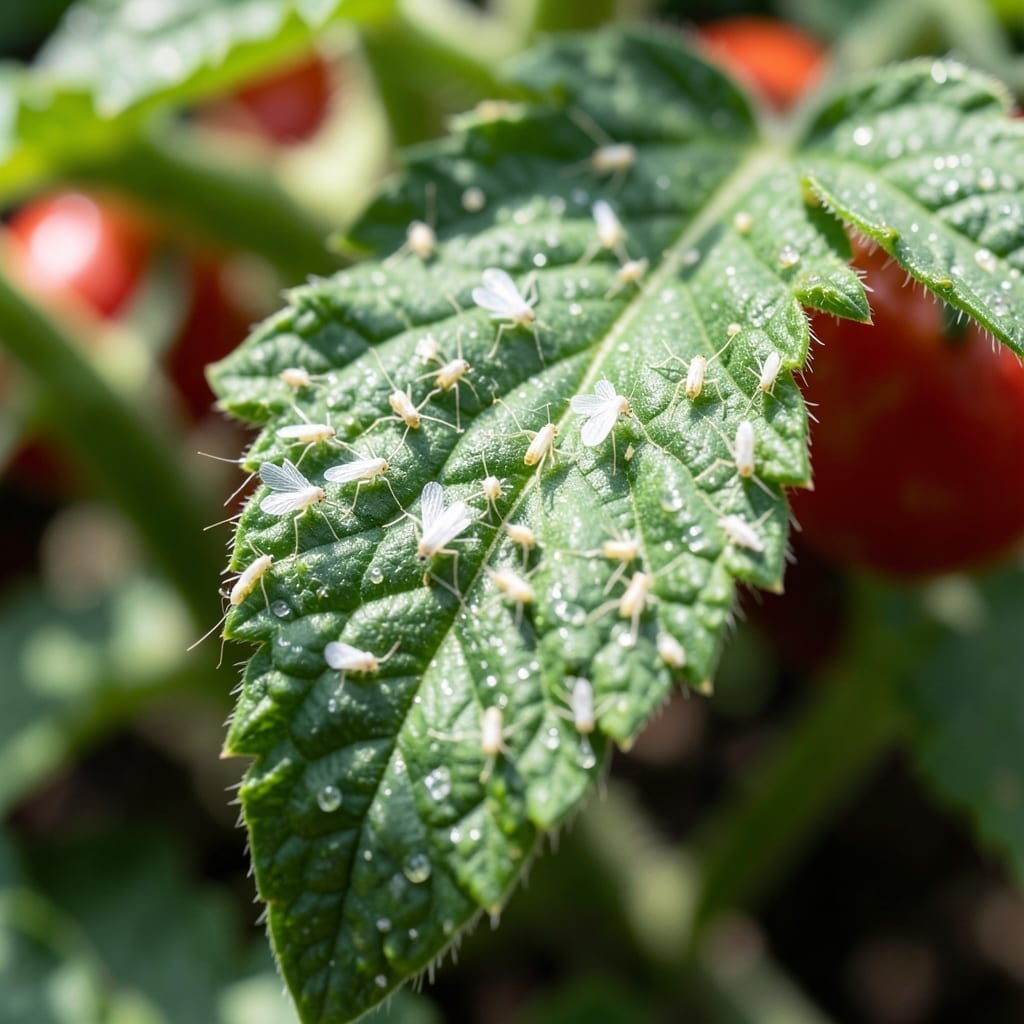
Tiny white bugs on tomato leaves spelled disaster for my plants last season. They multiply fast, draining plants of moisture and spreading disease before you notice the damage.
I spotted them first on the undersides of leaves—whiteflies and aphids love hiding there. Sticky residue on foliage and stunted growth are dead giveaways. Catching them early means the difference between a salvageable crop and a total loss.
What works? A blast of water knocks them off, neem oil disrupts their lifecycle, and yellow sticky traps catch adults. The key is consistency—these pests bounce back quickly if you skip treatments.
Prevention is simpler than cure. Keep plants healthy, remove weeds that harbor pests, and inspect new additions carefully. Your tomatoes will thank you with a stronger, more productive season.
Little white bugs on tomato plants are usually the result of environmental conditions or poor gardening practices that invite pests. Here are the most common causes:
Excess moisture creates the perfect breeding ground for whiteflies and aphids. These pests thrive in damp soil and humid air, which weakens tomato plants and makes them more susceptible to infestation. Overwatering also promotes fungal growth, which can attract additional pests. Fix: Water only when the top inch of soil is dry, and improve airflow around plants.
Crowded plants or dense foliage restrict airflow, trapping moisture and providing shelter for white bugs like mealybugs and thrips. Stagnant air also slows evaporation, keeping leaves damp longer. Fix: Prune excess leaves and space plants at least 18–24 inches apart to encourage ventilation.
Beneficial insects like ladybugs, lacewings, and parasitic wasps naturally control white bug populations. If your garden lacks biodiversity or uses broad-spectrum pesticides, these predators disappear, allowing pests to multiply unchecked. Fix: Plant companion flowers (e.g., marigolds, alyssum) and avoid chemical sprays that harm helpful insects.
Excess nitrogen promotes lush, soft leaf growth—exactly what aphids and whiteflies love. These pests target tender new shoots, which are easier to pierce and feed on. Fix: Use balanced fertilizers (e.g., 5-5-5) and prioritize potassium/phosphorus to strengthen plant resistance.
Dealing with tiny white pests on your tomato plants? Here’s how to tackle each cause with simple, effective fixes.
Use a strong stream of water to dislodge aphids from leaves and stems. Repeat every few days to break their life cycle. For stubborn infestations, apply insecticidal soap or neem oil (mix 1 tbsp oil + 1 tsp dish soap per gallon of water). Prevention tip 💡: Attract ladybugs—natural aphid predators—by planting marigolds or dill nearby.
Set up yellow sticky traps to catch adult whiteflies. For larvae, spray plants with a soapy water solution (1 tsp mild soap per quart of water) or introduce parasitic wasps. Prevention tip 💡: Use reflective mulch to disorient whiteflies and deter laying eggs.
Dab mealybugs with a cotton swab soaked in rubbing alcohol (70% isopropyl) to kill them on contact. For larger outbreaks, treat with neem oil or pyrethrin-based sprays. Prevention tip 💡: Inspect new plants before bringing them near your tomatoes to avoid contamination.
Mites thrive in dry conditions. Spray plants with water to increase humidity and dislodge pests. Apply horticultural oil for severe cases. Prevention tip 💡: Keep tomato plants well-watered and mist leaves regularly to deter mites.
Pro tip ✨: Always test sprays on a small area first to avoid plant damage. Rotate treatments to prevent pest resistance!
Check leaf undersides for tiny white insects or sticky residue. Whiteflies scatter when disturbed, while aphids cluster. Mealybugs look like cottony tufts.
Use a magnifying glass for confirmation. Early detection prevents major damage.
Yes. They drain sap, weaken plants, and spread diseases. Severe infestations can stunt growth or kill tomatoes.
Act fast—pests multiply rapidly in warm weather.
A soapy water spray (1 tsp dish soap per quart) works well. Neem oil or rubbing alcohol also help control outbreaks.
Always test on a few leaves first.
Repeat treatments every 5-7 days to break the pest lifecycle. Consistency is key—missed sessions let bugs rebound.
Monitor plants daily for new signs.