
Beautiful Plants For Your Interior
Beautiful Plants For Your Interior
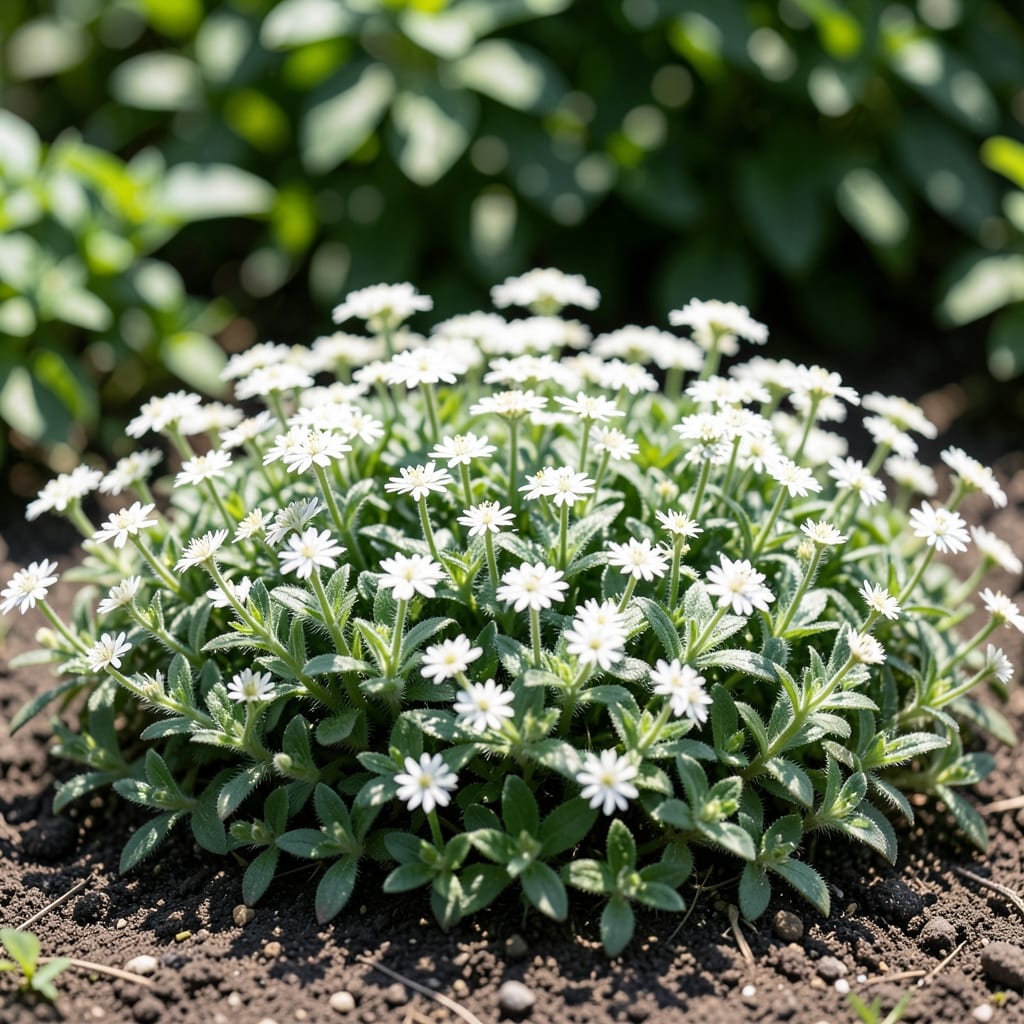
I first planted Lithodora ‘White Star’ three springs ago and was hooked by its crisp white blooms and silvery foliage. This low-growing shrub spreads beautifully, creating a carpet of color that stops neighbors in their tracks.
It thrives in full sun with well-draining soil, asking for little more than occasional watering once established. The real magic happens in spring when those star-shaped flowers appear against the gray-green leaves.
📚 In This Guide
Here’s my reliable method for coaxing vibrant, long-lasting blooms from this ground cover.
Lithodora thrives in locations with full sun to partial shade, though it produces the most abundant flowers in full sun. Choose a spot with well-draining soil—this species despises soggy roots. I always test drainage by digging a 12-inch-deep hole, filling it with water, and ensuring it drains completely within 2-3 hours.
Amend heavy clay or compacted soil with compost to improve texture and fertility. Work the compost into the top 6-8 inches of soil. Avoid overworking the bed, as this can damage the delicate root systems of existing plants. A slightly acidic to neutral pH (6.0-7.0) is ideal for optimal growth.
Space plants 18-24 inches apart to allow for their spreading habit. This ground cover will eventually form a dense mat, but crowding plants too closely leads to poor air circulation and increased susceptibility to disease. Dig a hole just as deep as the root ball and twice as wide.
Place the plant in the hole, ensuring the top of the root ball sits level with the surrounding soil. Backfill with the amended soil, pressing lightly to remove air pockets. Water immediately after planting to help settle the soil and hydrate the roots. I always mulch with 1-2 inches of organic material to retain moisture and suppress weeds.
Water newly planted Lithodora deeply once or twice per week, depending on rainfall, to encourage deep root establishment. Once established, it’s surprisingly drought-tolerant, but consistent moisture produces the best blooms. Check the soil by inserting your finger 1 inch deep—if it feels dry, it’s time to water.
Avoid overhead watering, as this can lead to fungal issues. Instead, use a soaker hose or drip irrigation to deliver water directly to the base. Early morning is the best time to water, as it allows foliage to dry before evening, reducing the risk of disease.
Apply a balanced, slow-release fertilizer in early spring, just as new growth begins to emerge. I use a 10-10-10 formula, following the package instructions for application rates. Avoid over-fertilizing, as this can lead to excessive foliage at the expense of flowers.
Prune lightly after the first flush of blooms to encourage a second wave of flowers and maintain a compact shape. Use clean, sharp shears to remove spent flowers and trim back any leggy growth. This plant responds well to pruning, and a light trim can rejuvenate its appearance and promote bushier growth.
Lithodora is generally pest-resistant, but keep an eye out for aphids or spider mites, especially in hot, dry weather. A strong blast of water can dislodge these pests, or use insecticidal soap if the infestation persists. Regularly inspect the undersides of leaves for early signs of trouble.
In colder climates, apply a 2-3 inch layer of mulch around the base of the plants in late fall to protect the root system from freezing temperatures. This species is hardy to USDA zone 6, but mulching provides extra insulation. Remove the mulch in early spring to allow new growth to emerge unobstructed.
These insights will help you avoid pitfalls and grow vibrant ground cover.
Site Selection Secret: For the most abundant blooms, prioritize full sun locations as mentioned in Step 1. I learned the hard way that partial shade works but produces noticeably fewer flowers. The drainage test with a 12-inch-deep hole should show complete water absorption within exactly 2-3 hours—any longer means you’ll need to amend the soil.
Planting Precision: When spacing plants 18-24 inches apart in Step 2, err on the side of more space rather than less. Crowding leads to poor air circulation and disease susceptibility. I always dig holes twice as wide as the root ball but no deeper—planting too deep can suffocate the roots.
Watering Wisdom: The 1-inch soil check mentioned in Step 3 is your best guide for watering. Early morning watering isn’t just preference—it allows foliage to dry before evening, which significantly reduces fungal risks. I switch to drip irrigation after losing several plants to overhead watering.
Seasonal Protection: That 2-3 inch mulch layer in Step 5 makes a surprising difference in zone 6 winters. Apply it in late fall but remember to remove it in early spring as directed—leaving it on too long can smother new growth. I use shredded bark for best results.
Water moderately, keeping the soil moist but not soggy. During dry spells, increase frequency but avoid overwatering, as this plant prefers well-drained soil.
Plant in early spring or fall to allow roots to establish before extreme temperatures. This timing helps ensure vibrant blooms the following season.
Consider Ceanothus, Lavender, or Hebe for similar low-maintenance, drought-tolerant ground covers with attractive flowers. These also thrive in sunny spots.
Yellowing leaves often indicate overwatering or poor drainage. Check soil moisture and improve drainage if needed. Adjust care to restore plant health.