
Beautiful Plants For Your Interior
Beautiful Plants For Your Interior
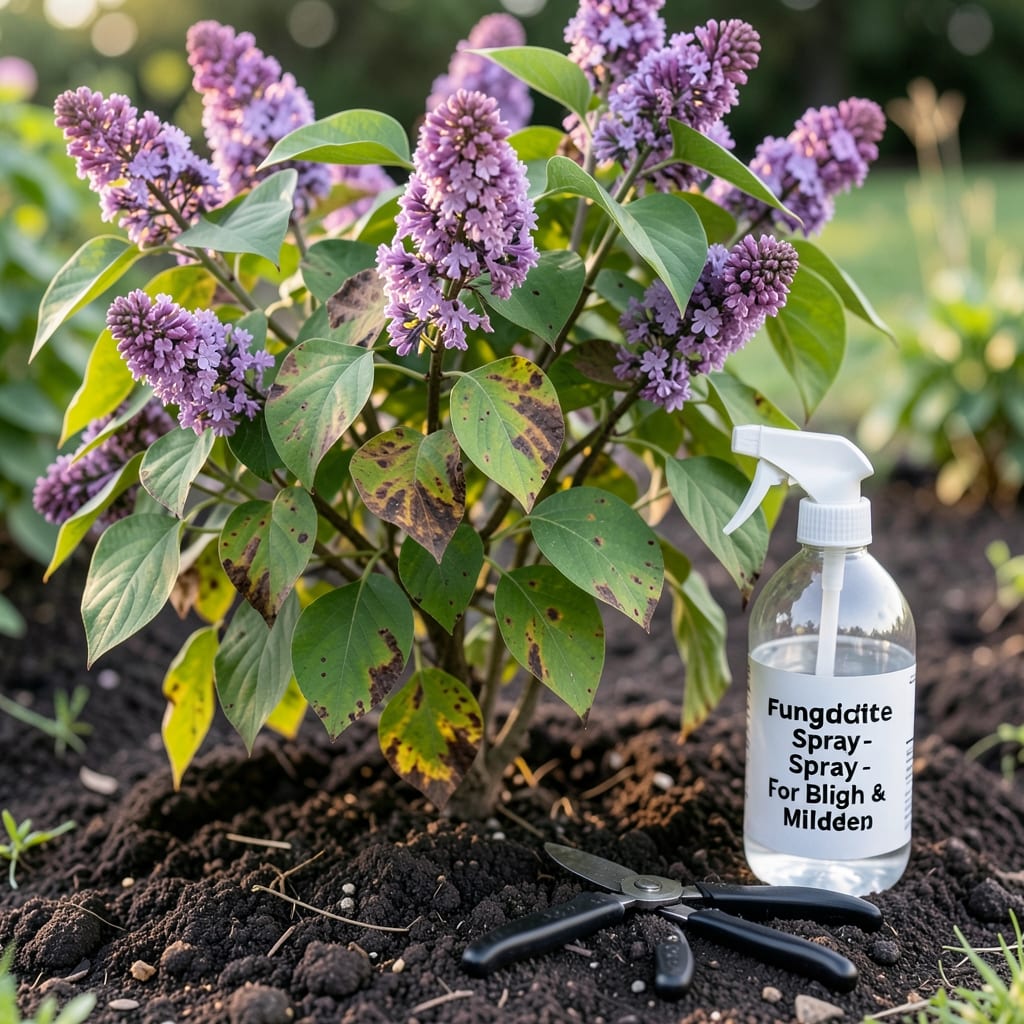
Last spring, my lilacs went from lush to leaf-spotted overnight. 🌿 Blight doesn’t have to be a death sentence for your bushes—it’s fixable with the right approach.
I’ve tested natural fungicides that actually work, saving my plants without harsh chemicals. The key is catching it early and being consistent with treatment.
With proper care, your lilacs will bounce back with vibrant green leaves and healthy blooms next season. No more sad, spotted foliage.
Works for established bushes and new plantings alike. Here’s how to turn the tide.
Understanding why lilac blight occurs is key to preventing and treating this frustrating fungal disease. Here are the primary causes:
Pseudocercospora syringae, the fungus behind lilac blight, thrives in damp, humid environments. Overwatering, poor drainage, or dense foliage that traps moisture creates ideal conditions for spores to germinate and spread. Lilacs in shaded areas with limited airflow are especially vulnerable.
The fungus overwinters in infected plant debris and soil. Using unsterilized pruning tools or leaving fallen leaves and twigs near lilacs can reintroduce the pathogen. Even healthy plants can become infected if contaminated equipment or organic matter spreads fungal spores.
Some lilac cultivars, particularly common purple lilacs (Syringa vulgaris), are more prone to blight. Stressors like drought, nutrient deficiencies, or root damage weaken plants, reducing their ability to resist infection. Over-fertilization, especially with high-nitrogen products, can also promote lush, soft growth that’s easier for fungi to penetrate.
Extreme temperature swings, prolonged wet springs, or unseasonal humidity spikes can trigger outbreaks. Lilacs under heat stress or those planted in poorly draining clay soil are at higher risk, as their compromised health makes them less resilient to fungal attacks.
Tackling lilac blight starts with identifying the issue and applying the right fixes. Below are targeted solutions for common causes, paired with prevention tips to keep your lilacs thriving. 🌿
If your lilacs show brown spots, wilting leaves, or powdery mildew, a fungal infection is likely the culprit. Start by pruning affected branches with sterilized shears (dip in rubbing alcohol between cuts). Remove all infected plant debris to prevent spread. Apply a copper-based fungicide or a baking soda solution (1 tbsp baking soda + 1 tsp dish soap + 1 gallon water) every 7–10 days until symptoms subside.
Prevention tip: 💡 Improve air circulation by spacing plants properly and watering at the base to keep foliage dry.
Pests like aphids or borers weaken lilacs, making them vulnerable to blight. Spray plants with neem oil or insecticidal soap to eliminate pests. For borers, remove and destroy infested wood immediately. Encourage beneficial insects like ladybugs by planting companion flowers nearby.
Prevention tip: 🎯 Inspect plants regularly and act at the first sign of pests to avoid secondary infections.
Too much moisture or soggy soil can lead to root rot and blight. Reduce watering and ensure your lilacs are planted in well-draining soil. If the soil stays wet, consider amending it with compost or sand. For potted lilacs, use containers with drainage holes.
Prevention tip: ✨ Water deeply but infrequently, allowing the top inch of soil to dry out between waterings.
Weak or malnourished lilacs are more susceptible to blight. Use a balanced, slow-release fertilizer (10-10-10) in early spring. Avoid high-nitrogen fertilizers, which can promote leafy growth at the expense of blooms. Yellowing leaves may signal a need for iron or magnesium—apply a foliar spray or soil amendment as needed.
Prevention tip: 🌱 Test your soil every 2–3 years to tailor fertilization to your lilacs’ needs.
Apply copper-based fungicide or homemade baking soda spray every 7-10 days during wet seasons. Continue until symptoms disappear and for 2 weeks after.
Yes, but act fast. Prune all affected branches, remove fallen debris, and treat aggressively. Severe cases may require 3-4 weeks of consistent fungicide applications.
Prune on a dry day using sterilized tools. Remove branches at least 6 inches below visible damage. Disinfect tools between cuts with rubbing alcohol.
Neem oil prevents fungal spores but won’t cure active infections. Use it as a preventive every 2 weeks during growing season. Combine with fungicide for active cases.