
Beautiful Plants For Your Interior
Beautiful Plants For Your Interior
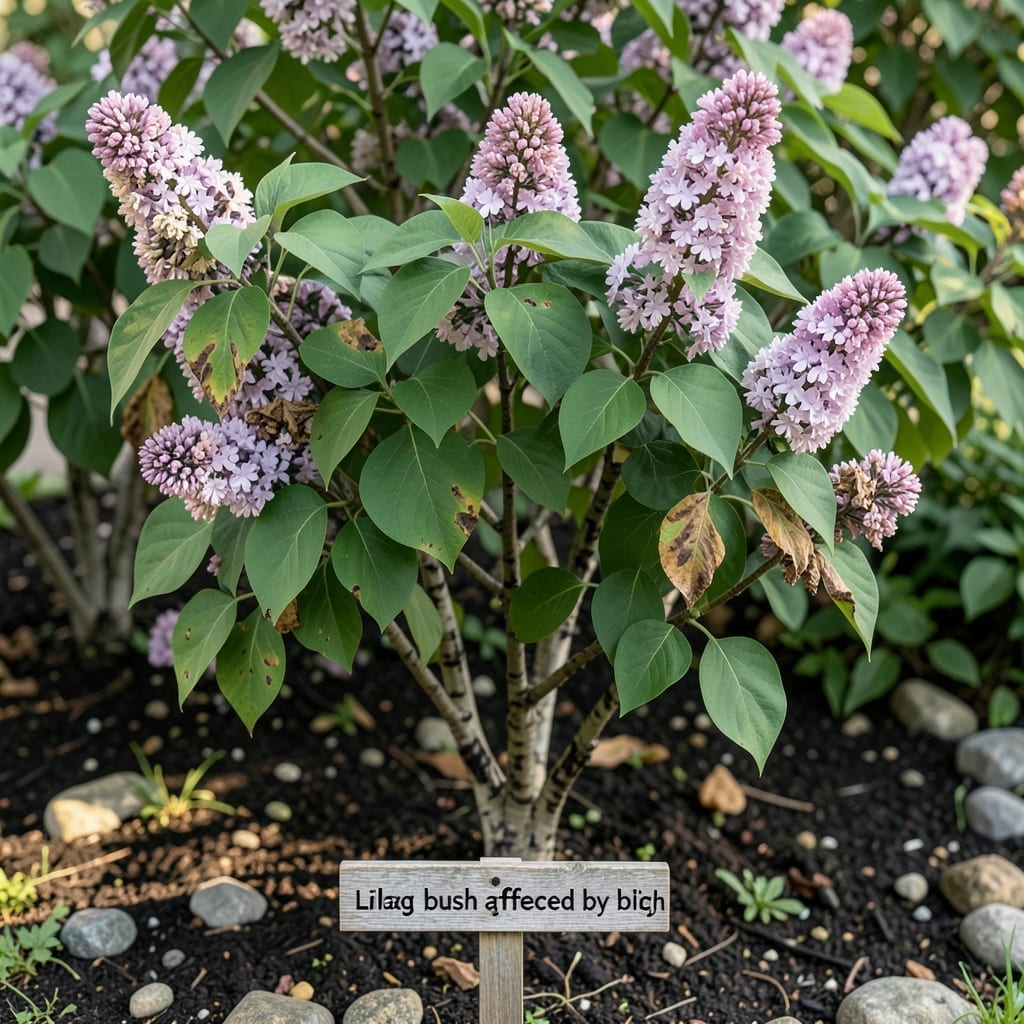
Spotted brown patches on your lilac leaves last summer? I ignored mine until half the bush looked sick. Lilac blight spreads fast, but catching it early changes everything.
The fungal spots start small and dark, then merge into larger dead areas. Leaves curl, drop prematurely, and next season’s blooms suffer. I lost a third of my flowers the year I missed the first signs.
Treatment begins with removing infected leaves and improving air circulation. A simple copper fungicide spray at the right time stops the spread. Prevention is even easier than cure.
With the right approach, your lilacs will bounce back stronger next year. The key is knowing exactly what to look for and acting before it takes over.
Lilac blight, often caused by fungal pathogens like Pseudocercospora syringae (formerly Cercospora), thrives under specific environmental conditions. Below are the primary causes, explained in clear, actionable terms.
Fungal spores spread and germinate in wet, humid conditions. Overhead watering, poor drainage, or prolonged rain can create the perfect breeding ground. Action: Water at the base of the plant and improve airflow around lilacs to reduce humidity.
Dense foliage or crowded plantings trap moisture, accelerating blight development. Action: Prune regularly to thin out branches and ensure air can circulate freely.
Fungi thrive in temperatures between 60–80°F (15–27°C). Lilacs in regions with mild springs or summers are especially vulnerable. Action: Monitor weather patterns and apply fungicides preventatively during high-risk periods.
Fungal spores overwinter in fallen leaves and stems. If not removed, they reinfect plants the following season. Action: Rake and destroy infected debris in fall to break the disease cycle.
Weak or stressed lilacs are more susceptible to blight. Poor soil, nutrient deficiencies, or drought stress compromise their defenses. Action: Maintain healthy soil, fertilize appropriately, and ensure consistent watering (without overdoing it).
Lilac blight can be managed effectively with the right approach. Below are targeted solutions for common causes, along with prevention tips to keep your plants healthy.
If you spot dark, sunken lesions or wilting leaves, prune affected branches immediately using sterilized shears. Cut at least 6 inches below the infected area to ensure the fungus is fully removed. Dispose of the clippings in sealed bags—never compost them, as this can spread the disease. Disinfect tools with a 10% bleach solution after each use.
For severe infections, use a copper-based fungicide or neem oil to treat remaining foliage. Apply in the early morning or late evening to avoid leaf burn. Follow the product’s instructions for dosage and reapplication intervals. Organic options like baking soda spray (1 tbsp baking soda + 1 tsp dish soap + 1 gallon water) can also help for mild cases.
Blight thrives in damp, crowded conditions. Thin out dense foliage to improve airflow and reduce humidity. Ensure lilacs receive at least 6 hours of sunlight daily. Space plants 4–6 feet apart to prevent moisture buildup. Mulch with well-draining materials like bark chips to keep leaves dry.
With consistent care, your lilacs can recover and thrive! 🌿
Look for dark brown or purple spots on leaves, often with yellow halos. Leaves may curl, wilt, or drop prematurely. Severe cases show sunken lesions on stems.
Apply fungicides at the first sign of spots, ideally in early morning or late evening. Preventative sprays work best in spring before leaves emerge.
Yes, fungal spores travel via wind, water, or garden tools. Remove infected debris immediately and disinfect tools with 10% bleach solution.
Yes! Try Syringa meyeri ‘Palibin’ or ‘Miss Kim’. These cultivars show better resistance to fungal diseases.