
Beautiful Plants For Your Interior
Beautiful Plants For Your Interior
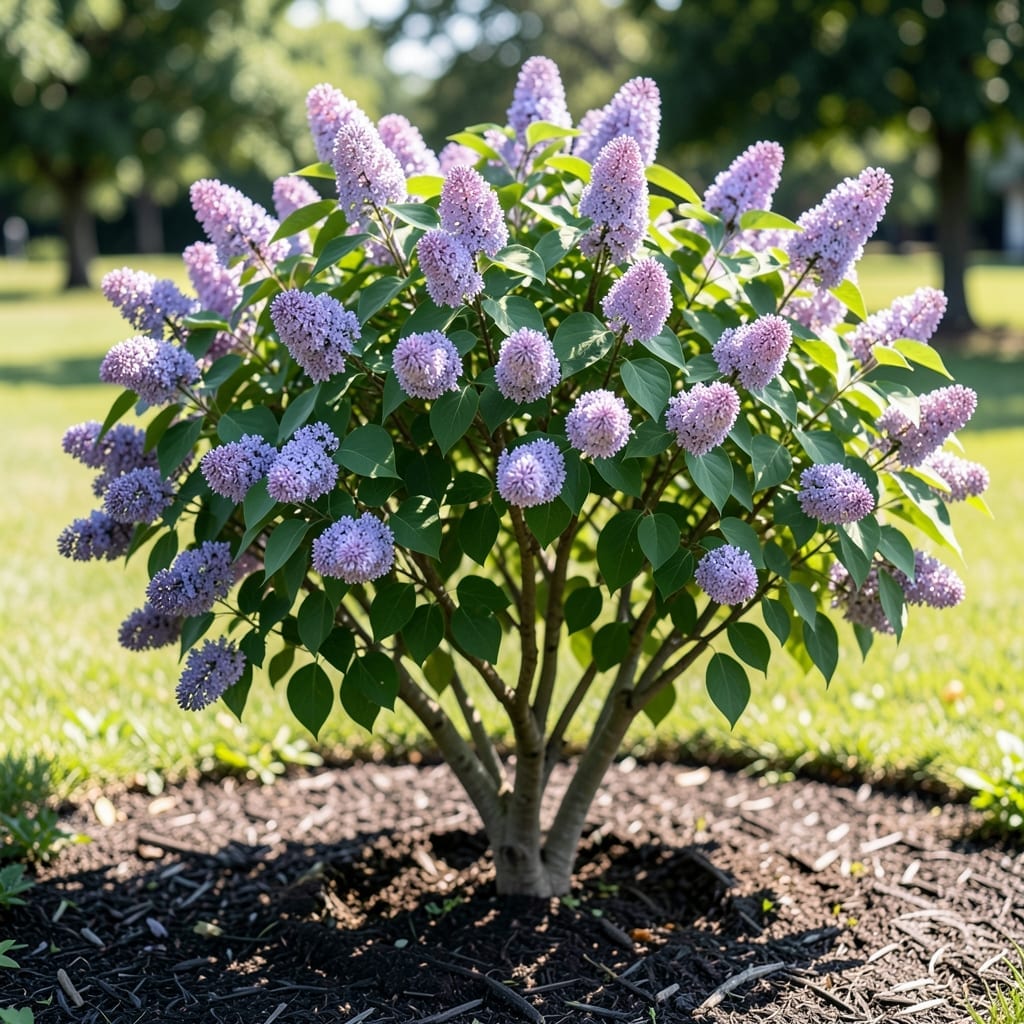
Watching a 🌸 Lilac bush transform from a small sapling to a fragrant centerpiece is pure magic. But let’s be real—this isn’t an overnight makeover.
If you’ve ever planted one and wondered why it’s taking its sweet time, you’re not alone. Growth speed varies, and knowing what to expect saves a lot of frustration.
Discover how fast these beauties typically grow and the key factors that can speed up—or slow down—their progress in your garden.

One of the first things I tell new gardeners is that lilac bushes aren’t sprint runners—they’re marathoners. Most varieties grow at a moderate pace, adding about 12-24 inches per year under ideal conditions.
However, this can vary widely based on the type of lilac, your climate zone, and how well you care for it. Dwarf varieties like Miss Kim may stay compact, while standard common purple lilacs can reach towering heights.
| Variety | Annual Growth | Mature Height | Mature Width |
| Common Purple | 18-24 inches | 8-15 ft | 6-12 ft |
| Dwarf Korean | 6-12 inches | 4-6 ft | 5-7 ft |
| Miss Kim | 12-18 inches | 6-8 ft | 5-7 ft |
| Sensation | 12-24 inches | 8-12 ft | 6-10 ft |
In the first year, don’t expect fireworks. Your lilac will focus on establishing strong roots rather than height. You’ll typically see just 1-2 feet of growth as it settles in.
By year two, things start to pick up. With proper care, most lilacs will add 3-5 feet in height. This is when you’ll notice the bush filling out and developing more branches.
By year three, your lilac should be hitting its stride. Expect 6-8 feet in height for standard varieties, with dwarf types maxing out around 4-6 feet. This is also when you’ll see the first full bloom cycle if conditions are right.
At maturity (5+ years), growth slows significantly. Most lilacs reach their final height between 8-15 feet, depending on the variety. The focus shifts from upward growth to dense foliage and abundant blooms.
Climate plays a huge role. In warmer zones (6-7), lilacs may grow faster, while in cooler areas (3-5), they’ll develop more slowly but often produce more vibrant blooms.
Soil quality and sunlight are game-changers. Lilacs thrive in well-draining soil with a pH of 6.5-7.5 and need 6+ hours of sun daily. Skimp on these, and growth will lag noticeably.
If you’re impatient, focus on the dwarf varieties like Little Lady or Palibin. They grow more slowly but reach manageable sizes perfect for small gardens or containers.
🌿If you want your lilac bushes to reach their full potential faster, the right care makes all the difference. I’ve found that optimal conditions can shave years off the wait for those gorgeous blooms.
Start with planting location. Lilacs need full sun (6+ hours) and well-draining soil with a pH of 6.5-7.5 to thrive. Avoid low spots where water pools.
I always recommend testing your soil before planting. A simple pH test kit can reveal if you need to amend with lime (to raise pH) or sulfur (to lower pH). This small step can double growth rates.
For faster establishment, consider bare-root plants over container-grown. They often adapt quicker when planted in cool, early spring weather. Just be sure to soak roots for a few hours before planting.
Pruning techniques can also speed things up. Remove dead or diseased wood immediately, and thin out old stems to allow light and air to reach the center. This encourages new, vigorous growth.
Finally, don’t underestimate the power of consistent watering. While lilacs are drought-tolerant once established, young plants need regular moisture to grow quickly. Aim for 1-2 inches of water per week, including rainfall. 🌿