
Beautiful Plants For Your Interior
Beautiful Plants For Your Interior
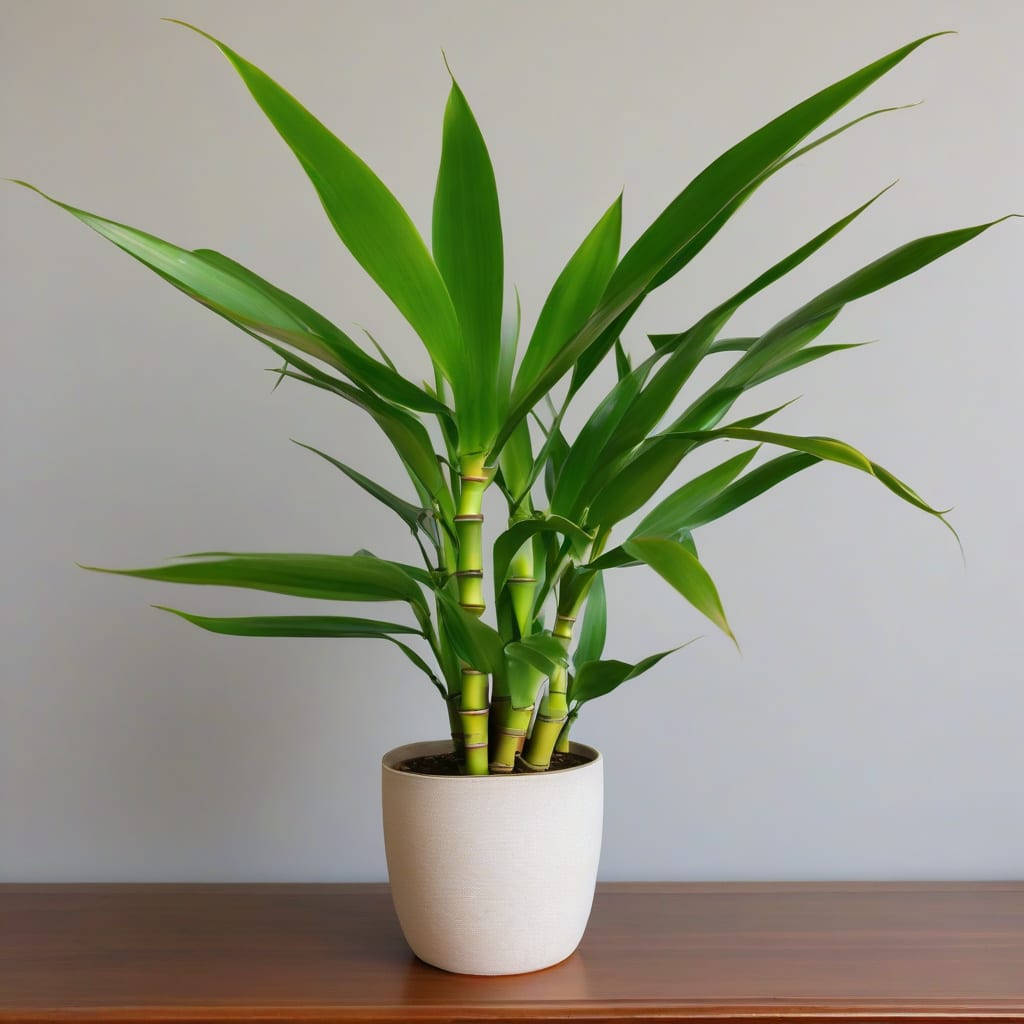
I’ve always been fascinated by bamboo’s amazing growth rate – some species can grow several feet in just one day! 🌿 Growing bamboo can be a rewarding experience, especially when you understand its growth patterns.
In USDA Zone 6, bamboo can thrive with proper care. Let’s explore how tall bamboo can grow in a year and what factors influence its growth.


Bamboo is known for its exceptional growth rate, with some species growing up to several feet in just a single day. The height bamboo can achieve in a year depends on various factors. Understanding these factors is crucial for gardeners and enthusiasts alike 🌱.
Several key elements influence bamboo’s annual growth height, including the species, climate, soil quality, and maintenance practices. Let’s explore these factors in more detail to understand how they impact bamboo growth.
The species of bamboo plays a crucial role in determining its annual growth height. Some species are naturally faster-growing than others. For instance, Dendrocalamus giganteus is known for its rapid growth, while other species like Bambusa tulda may grow at a slower pace. Understanding the specific needs and characteristics of your bamboo species is essential for optimizing its growth 🌿.
Climate conditions also significantly impact bamboo’s growth. Bamboo thrives in tropical and subtropical climates with adequate rainfall and warm temperatures. In regions with distinct seasons, bamboo growth is typically more vigorous during the warmer months. Ensuring your bamboo receives sufficient sunlight and water is crucial for maximizing its growth potential.
The quality of the soil in which bamboo is planted is another critical factor. Bamboo prefers well-draining, fertile soil rich in organic matter. A soil pH between 6.0 and 7.0 is considered ideal for most bamboo species. Regular soil testing can help determine if any amendments are needed to support optimal bamboo growth 🌱.
Maintenance practices such as watering, fertilization, and pruning also play a significant role in bamboo’s annual growth. Regular watering ensures that bamboo receives the moisture it needs, especially during dry periods. Fertilization provides essential nutrients that support vigorous growth, while pruning helps maintain the plant’s health and shape 🌼.
By understanding and managing these factors, gardeners can create optimal conditions for their bamboo, maximizing its growth potential. Whether you’re growing bamboo for its ornamental value or as a sustainable resource, paying attention to these details can make a significant difference in its overall performance 🌿.
In conclusion, the height bamboo can grow in a year is influenced by a combination of factors including species, climate, soil quality, and maintenance practices. By optimizing these conditions, gardeners can enjoy the many benefits that bamboo has to offer, from its rapid growth to its versatility and sustainability 🌱.
Bamboo is known for its exceptional growth rates, with various species growing at different speeds. Understanding these differences is crucial for gardeners and enthusiasts who want to optimize their bamboo’s growth 🌱.
Let’s compare the annual growth rates of different bamboo species to highlight their unique characteristics and growth patterns.
The annual growth rate of bamboo varies significantly between species. Some species, like Dendrocalamus giganteus, are known for their rapid growth, achieving heights of over 100 feet in a single year. Other species, such as Bambusa tulda, grow at a slower pace, reaching heights of up to 50 feet annually 🌿.
Climate and soil conditions also play a crucial role in determining the growth rate of bamboo. Bamboo thrives in tropical and subtropical climates with adequate rainfall and warm temperatures. Soil quality, including factors like drainage and fertility, can also impact bamboo’s growth potential 🌱.
By understanding the growth characteristics of different bamboo species, gardeners can make informed decisions about which species to cultivate based on their specific needs and growing conditions. Whether you’re looking for a fast-growing screen or a sustainable resource, there’s a bamboo species that can meet your requirements 🌼.
In conclusion, comparing the annual growth rates of different bamboo species highlights the diversity within this versatile plant group. By selecting the right species and providing optimal growing conditions, gardeners can enjoy the many benefits that bamboo has to offer, from its rapid growth to its ornamental and practical uses 🌿.
I always find it exciting to share tips on how to maximize bamboo growth. To achieve the best results, it’s essential to understand the specific needs of your bamboo plants 🌿.
Let’s explore some practical advice on optimizing growing conditions and care practices for maximum bamboo growth in a year.
To maximize bamboo growth, ensure it receives adequate sunlight and maintain consistent moisture levels in the soil.
First, choosing the right bamboo species is crucial. Some species are naturally faster-growing than others. For example, Dendrocalamus giganteus is known for its rapid growth, while other species like Bambusa tulda may grow at a slower pace 🌱.
Second, soil quality plays a significant role in bamboo growth. Bamboo prefers well-draining, fertile soil rich in organic matter. Ensuring the soil pH is between 6.0 and 7.0 can help optimize growth conditions 🌱.
Third, regular maintenance practices such as watering, fertilization, and pruning are vital. Watering should be consistent, especially during dry periods. Fertilization provides essential nutrients for vigorous growth, while pruning helps maintain the plant’s health and shape 🌼.
By following these tips and understanding the specific needs of your bamboo, you can create optimal conditions for maximum growth. Whether you’re growing bamboo for its ornamental value or as a sustainable resource, these practices can make a significant difference 🌿.
