
Beautiful Plants For Your Interior
Beautiful Plants For Your Interior
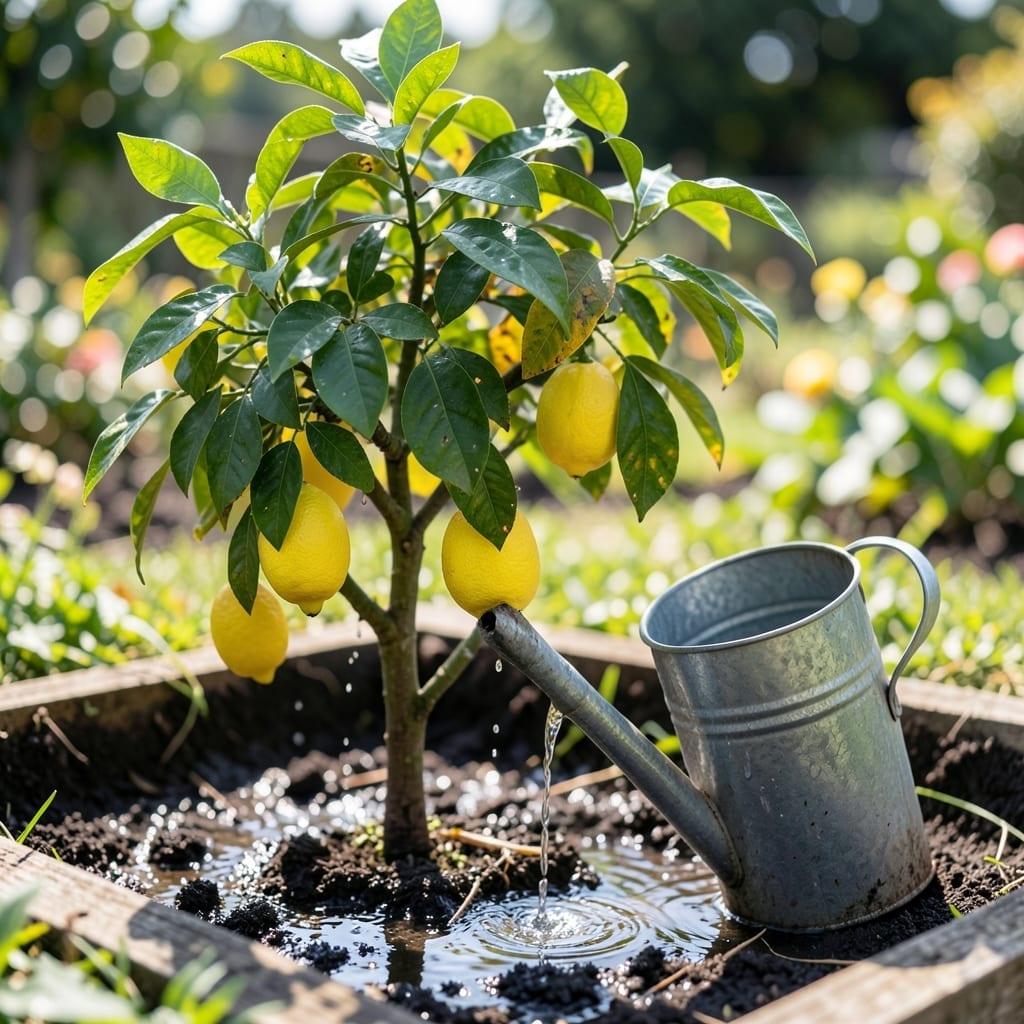
Yellowing leaves and brown tips on your lemon tree usually mean one thing: too much water. I’ve seen this more times than I can count—well-meaning gardeners drowning their trees with kindness.
The roots suffocate when soil stays soggy, cutting off oxygen and nutrients. Your tree can’t absorb what it needs, so it starts shedding leaves as a survival tactic. The good news? This is fixable if you act fast.
First step is letting the soil dry out completely between waterings. Stick your finger 2-3 inches deep—if it feels damp, wait. Most lemon trees only need water every 7-10 days in warm weather.
With the right adjustments, you’ll see new growth within 3-4 weeks. The key is consistency and giving the roots room to breathe again.
Overwatering a lemon tree disrupts its natural balance, leading to visible distress like brown tips and leaf drop. Here’s why it happens:
Lemon trees thrive in well-draining soil. When planted in heavy or compacted soil, water pools around the roots, suffocating them. Root asphyxiation occurs because the soil lacks oxygen, preventing the roots from respiring. This stress triggers leaf discoloration and shedding as the tree conserves energy.
Watering too often—especially in cooler months—overwhelms the tree’s ability to absorb moisture. Lemon trees prefer deep but infrequent watering. Frequent shallow watering keeps the topsoil soggy, promoting fungal growth and root rot, which directly damages the plant’s vascular system.
Potted lemon trees in oversized containers are prone to overwatering. Excess soil retains moisture longer, while the roots can’t absorb it fast enough. Always match pot size to the tree’s root ball and ensure drainage holes are unblocked to prevent waterlogging.
In cooler or humid climates, evaporation slows, leaving soil damp for extended periods. Lemon trees, native to Mediterranean regions, struggle in these conditions. Adjust watering schedules seasonally—reduce frequency in winter or high-humidity environments to mimic their natural habitat.
Overwatering can be reversed with a few targeted steps. Here’s how to fix the most common causes and prevent future issues:
If your lemon tree’s roots are soggy or black, act fast. Gently remove the tree from its pot or dig around the base. Trim away any mushy, dark roots with clean shears, then repot in fresh, well-draining soil. Use a mix with perlite or sand to improve aeration. Avoid watering for 5–7 days to let roots recover. Prevention tip: 💡 Always check soil moisture 2 inches deep—only water if it’s dry.
Poor drainage is a top culprit. If your pot lacks holes, drill several at the base or switch to a container with drainage. For in-ground trees, amend heavy clay soil with compost or create a small berm to redirect excess water. Prevention tip: ✨ Elevate potted trees on bricks to prevent water pooling.
Lemon trees thrive on deep but infrequent watering. Water only when the top 2–3 inches of soil are dry—typically every 7–10 days in warm weather, less in cooler months. Use a moisture meter for precision. Prevention tip: 🌡️ Water early in the morning to reduce evaporation and fungal risks.
If leaves are yellowing or falling, trim damaged foliage to redirect energy. Reduce watering immediately and move the tree to a sunnier spot (6+ hours of light daily) to boost recovery. Mist leaves lightly to maintain humidity without oversaturating roots. Prevention tip: 🎯 Mulch with bark or straw to retain moisture without waterlogging.
Check the soil 2-3 inches deep with your finger. If it feels damp, hold off on watering. Yellow leaves and brown tips are sure signs it’s getting too much.
A well-draining mix with perlite or sand is ideal. Avoid heavy clay soils that trap moisture. Potted trees need drainage holes to prevent waterlogging.
Yes, if caught early. Trim black, mushy roots and repot in fresh soil. Avoid watering for 5-7 days to let roots recover.
Reduce frequency to every 2-3 weeks. Cooler temps slow evaporation, so soil stays moist longer. Always check moisture levels first.