
Beautiful Plants For Your Interior
Beautiful Plants For Your Interior
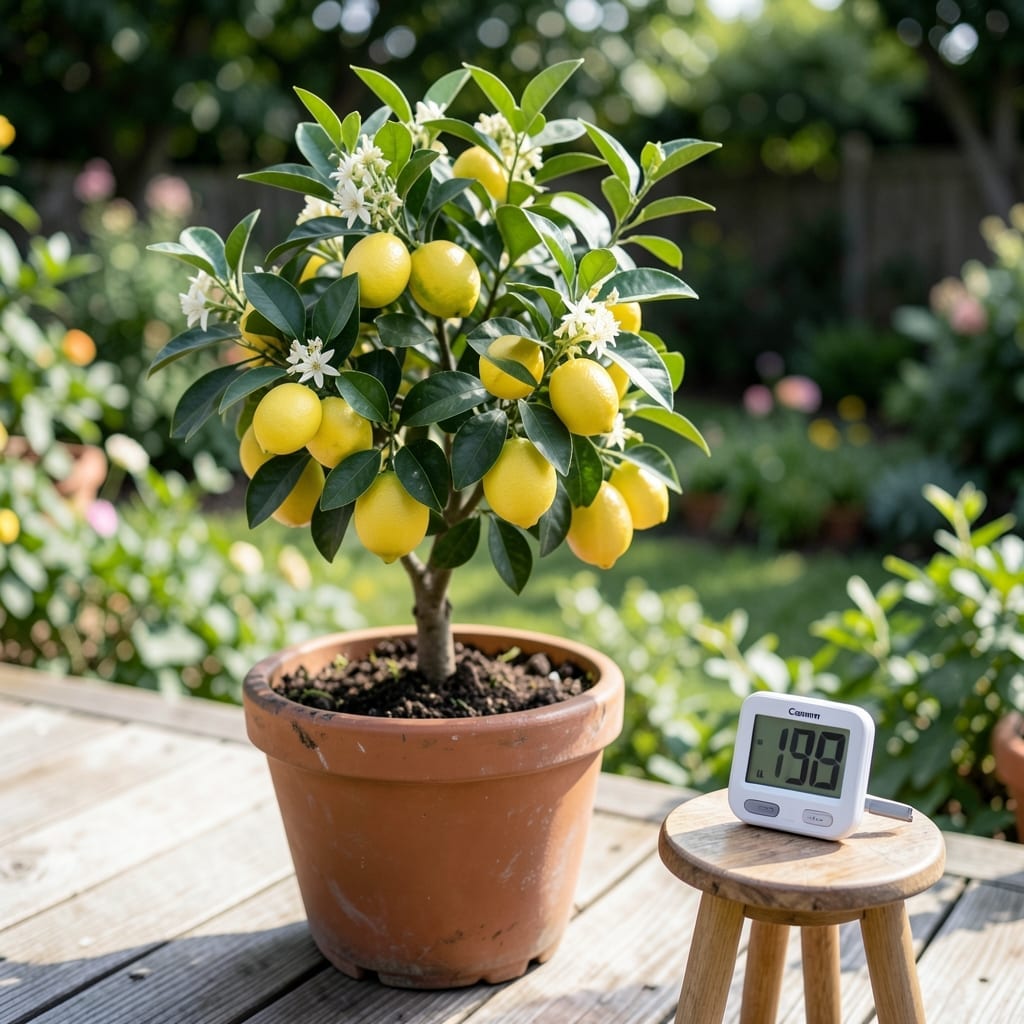
Growing a potted 🍋 Lemon Tree brings vibrant citrus to your home, but its survival hinges on one critical factor: temperature. Get this wrong, and your tree could struggle or fail to thrive.
Whether you’re growing indoors or out, understanding the ideal temperature range is the key to keeping your tree healthy and productive. I’ll guide you through the essentials so you can avoid common pitfalls.
Discover the exact temperature thresholds your potted Lemon Tree needs to flourish year-round, and learn practical tips to maintain the perfect environment for lush growth.
Potted lemon trees thrive when temperatures stay within their optimal range, which varies by season. In spring and summer, aim for daytime temps between 70°F and 85°F for robust growth.
At night, these citrus trees prefer no lower than 50°F to avoid stress. Consistency is key, as sudden swings can shock the plant and hinder fruit production.☀️
| Season | Daytime Range | Nighttime Minimum |
|---|---|---|
| Spring | 70°F – 85°F | 50°F |
| Summer | 75°F – 90°F | 60°F |
| Fall | 65°F – 80°F | 50°F |
| Winter | 60°F – 75°F | 40°F |
In fall, as temperatures drop, your lemon tree will begin preparing for dormancy. Keep it in a spot where it can enjoy 65°F to 80°F during the day and above 50°F at night.
Winter is the most critical season for temperature control. Lemon trees cannot tolerate frost and will suffer damage below 32°F. Move pots indoors near a sunny window if nights dip below 40°F.
If you live in USDA zones 9-11, your potted lemon tree can stay outside year-round with some protection. In cooler zones, indoor overwintering is a must to prevent cold damage.
Watch for heat stress in summer when temperatures exceed 90°F. Provide afternoon shade and ensure the pot has good drainage to avoid root rot from excessive watering.
For optimal fruit set, maintain steady temperatures. Fluctuations can cause flower drop or poor fruit development. A thermometer near your tree helps monitor conditions accurately.
If growing indoors, place your tree near a south-facing window for maximum light. Supplement with grow lights if natural light is insufficient, especially in winter.
Remember, container-grown lemon trees are more sensitive to temperature swings than in-ground trees. Their roots are less insulated, so monitor soil temperature as well.
With these guidelines, your potted lemon tree will thrive, producing vibrant fruit and healthy foliage year after year.🌱
Your potted lemon tree will show clear signs when temperatures are outside its comfort zone. Yellowing leaves often indicate cold stress, while leaf drop can signal both heat and cold issues.
Wilting foliage during hot days suggests heat stress, especially if the soil is dry. Check for brown leaf edges, which appear when roots struggle in extreme temperatures.🌡️
⚠️ Temperature Stress Alert: Fruit drop or stunted growth often means your tree is too cold. Blossom burn occurs with excessive heat. Act fast to adjust conditions.
In cold stress, leaves may curl inward and develop dark spots. The tree may also stop growing entirely as it enters a survival mode.
For heat stress, look for sunburned patches on leaves or fruit. These appear as white or yellow areas on the side facing the sun. Shade cloth can help.
If you notice slow recovery after adjusting temperatures, the damage may be severe. Prune affected areas to encourage new growth from healthy parts of the plant.☀️
Root health is critical—check for mushy brown roots if cold has caused rot, or dry brittle roots from heat stress. Adjust watering accordingly.
Regularly inspect your tree for these warning signs to catch problems early. A quick response can save your harvest and keep your tree thriving.🌿