
Beautiful Plants For Your Interior
Beautiful Plants For Your Interior
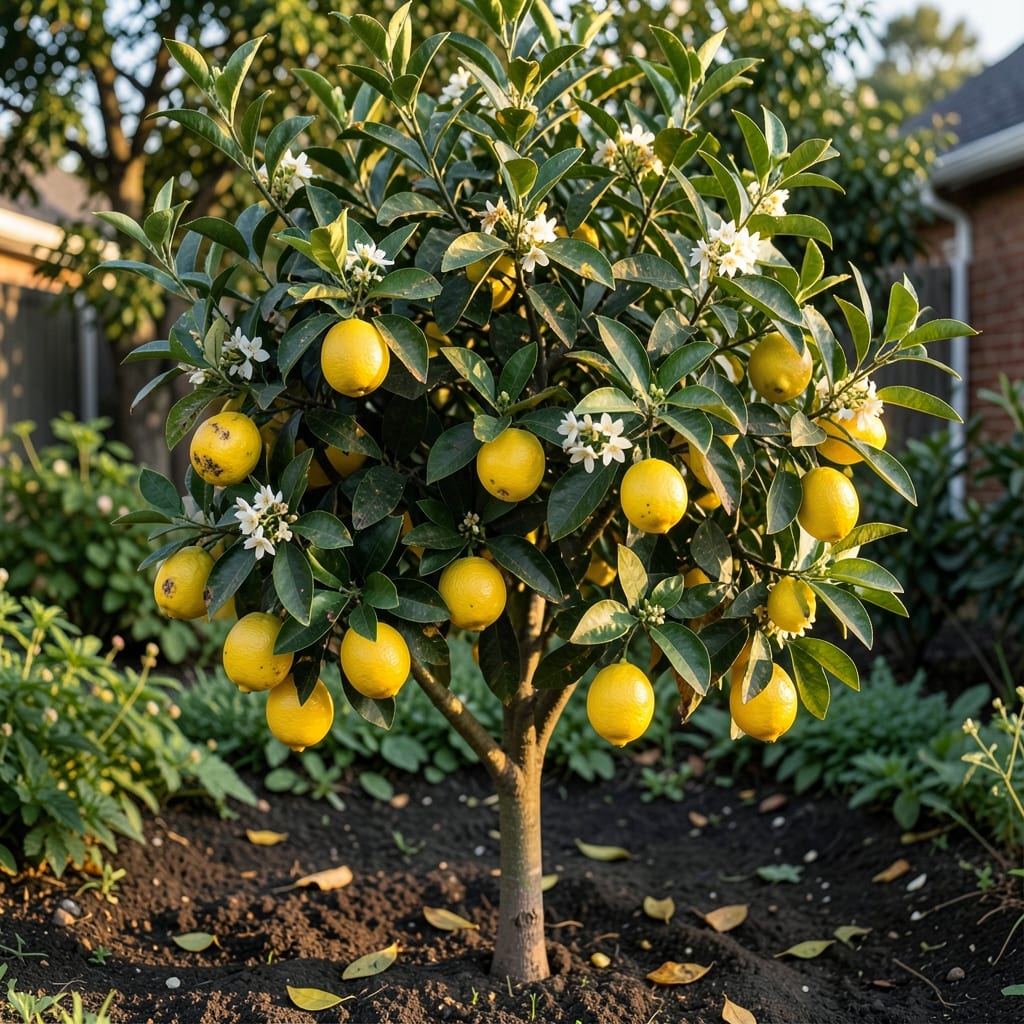
My lemon tree’s leaves told me I was doing it wrong. Yellow edges, brown spots, curled tips—each symptom was a cry for help, and I finally learned to read them.
Turns out, most leaf problems come from three things: water stress, poor nutrition, or sneaky pests. Fix the cause, and the foliage bounces back faster than you’d expect.
I keep a journal now, matching leaf changes to recent weather and care. It’s how I caught a magnesium deficiency before it spread.
Healthy leaves start with knowing what to look for. Here’s how to spot the early warnings.
Lemon tree leaves can develop issues due to a variety of environmental, biological, and cultural factors. Understanding the root causes helps you address them effectively.
Extreme temperatures, especially frost or heatwaves, can cause leaf discoloration, curling, or drop. Lemon trees thrive in 60–85°F (15–29°C). Below 30°F (-1°C), frost damage occurs, turning leaves black or brown. High heat can scorch edges, leading to leaf tip burn.
Overwatering or drought stress disrupts nutrient uptake. Root rot from soggy soil causes yellowing leaves (chlorosis) and wilting. Conversely, underwatering leads to dry, crispy leaves with brown edges. Aim for consistent moisture—let the top 1–2 inches of soil dry between waterings.
Common culprits like aphids, spider mites, or scale insects suck sap from leaves, causing yellow spots, curling, or sticky residue (honeydew). Spider mites thrive in dry conditions, leaving stippled or webbed foliage. Inspect leaf undersides regularly for early signs.
Citrus canker (bacterial) creates corky, raised lesions, while powdery mildew (fungal) coats leaves in white powder. Root rot (e.g., Phytophthora) from poor drainage causes rapid yellowing. Fungi spread in humid, poorly ventilated conditions—prune for airflow and avoid overhead watering.
Lemon trees need nitrogen (N) for green growth—deficiency causes uniform yellowing. Magnesium (Mg) deficiency shows as yellow patches between veins (interveinal chlorosis). Test soil pH (ideal: 6.0–7.0); imbalances can lock out nutrients even if present.
Dealing with lemon tree leaf problems? Here’s how to nurse your tree back to health with simple, actionable fixes for the most common issues.
Fix: Test your soil with a kit to confirm deficiencies (often nitrogen, iron, or magnesium). Apply a balanced citrus fertilizer or a targeted supplement like chelated iron for iron chlorosis. Water deeply after application.
Prevention: Fertilize every 4–6 weeks during growing season. Use compost or organic matter to improve soil health. 💡 Pro tip: Avoid over-fertilizing—it can burn roots!
Fix: For underwatering, soak the soil until moisture reaches 12–18 inches deep. For overwatering, let the soil dry out between waterings and improve drainage with mulch or sand. If it’s fungal (e.g., alternaria), remove affected leaves and apply copper fungicide.
Prevention: Water consistently—1–2 times per week in dry climates, less in humid areas. Prune for airflow to prevent fungal growth. ✨
Fix: Spray leaves with neem oil or insecticidal soap to target aphids, mites, or citrus leaf miners. For severe infestations, use horticultural oil. Repeat every 5–7 days until pests are gone.
Prevention: Inspect leaves weekly for early signs. Introduce beneficial insects like ladybugs. 🎯 Pro tip: Avoid broad-spectrum pesticides—they kill helpful bugs too!
Fix: Shield your tree from extreme heat/cold with shade cloth or a frost blanket. If transplant shock is the culprit, trim back ⅓ of the foliage to reduce stress and water more frequently for 2–3 weeks.
Prevention: Acclimate young trees gradually to outdoor conditions. Plant in a sheltered spot with consistent temperatures. 🌡️
This is classic magnesium deficiency. Apply Epsom salt (1 tablespoon per gallon of water) as a foliar spray or soil drench. Test your soil pH, as imbalances can prevent nutrient uptake.
Curling often signals pest activity like aphids or spider mites. Inspect leaf undersides and treat with neem oil or insecticidal soap. Ensure good air circulation to prevent future infestations.
Brown tips from underwatering or salt burn won’t regreen, but new growth will be healthy. Trim damaged tips with clean shears and adjust your watering routine to maintain consistent moisture.
Check leaves weekly for early signs of trouble. Look for color changes, spots, or unusual textures. Early detection makes treatment simpler and more effective.