
Beautiful Plants For Your Interior
Beautiful Plants For Your Interior
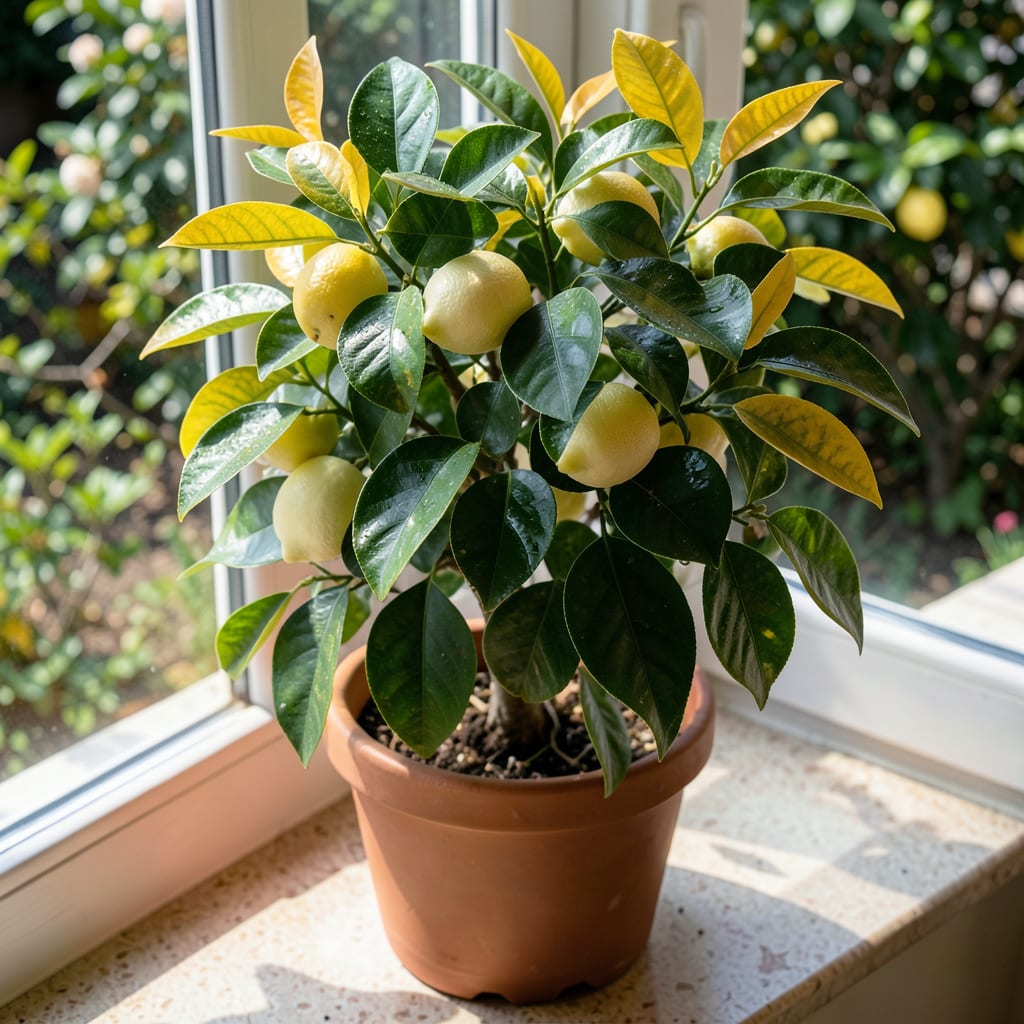
Yellow leaves on your Meyer lemon tree aren’t just unsightly—they’re a cry for help. I’ve seen this issue wipe out entire harvests when ignored, but the fix is usually simpler than you think.
Most cases come down to 3 common culprits: nutrient starvation, water stress, or silent pests. The good news? Each leaves distinct clues if you know where to look. Yellowing between veins screams nitrogen deficiency, while uniform pale leaves often point to overwatering.
With the right diagnosis, you can turn things around in 2-3 weeks. I’ve saved dozens of trees by adjusting fertilizer, dialing back water, or treating for spider mites. The key is acting before the yellow spreads to new growth.
Works for potted trees, backyard specimens, or indoor plants alike. Let’s get to the root of the problem.
Yellowing leaves on your Meyer lemon tree, known as chlorosis, signal an underlying issue disrupting chlorophyll production. Below are the most common causes, each with a clear scientific basis and actionable insights.
Lack of essential minerals like nitrogen, iron, or magnesium often triggers yellowing. Nitrogen deficiency starts with uniform pale yellow leaves, while iron deficiency causes interveinal chlorosis (yellow leaves with green veins), common in alkaline soils where iron becomes insoluble. Magnesium deficiency appears as yellow patches between leaf veins, often in older leaves first.
Extreme temperatures, poor drainage, or inconsistent watering stress the tree, leading to chlorosis. Overwatering suffocates roots, reducing nutrient uptake, while underwatering causes drought stress. Meyer lemons thrive in 60–70°F (15–21°C) and well-draining, slightly acidic soil (pH 6.0–7.0).
Sap-sucking pests like spider mites, aphids, or scale insects damage leaf tissue, impairing photosynthesis. Their feeding disrupts nutrient flow, causing yellow spots or widespread discoloration. Check leaf undersides for webbing, sticky residue (honeydew), or tiny moving dots.
Fungal or bacterial infections, such as citrus greening (HLB) or root rot, can induce yellowing. HLB causes mottled yellow patterns, while root rot (from Phytophthora) leads to wilting and leaf drop. Diseased trees often show stunted growth or dieback.
Once you’ve identified the cause, these targeted fixes will help restore your Meyer lemon tree’s vibrant green foliage. Act quickly to prevent further stress and promote recovery.
If a soil test reveals low nitrogen, phosphorus, or potassium:
Prevention tip: 💡 Fertilize regularly and rotate nutrient sources to avoid depletion.
Root rot from soggy soil is a common culprit. Here’s how to fix it:
Prevention tip: ✨ Water only when the top 1–2 inches of soil are dry, and use a moisture meter for accuracy.
Sap-sucking pests like spider mites or aphids can drain leaves of color:
Prevention tip: 🎯 Inspect leaves weekly (especially undersides) and quarantine new plants before introducing them.
Too much or too little light, or temperature swings, can stress the tree:
Prevention tip: 🌡️ Use a thermometer near the tree and adjust placement seasonally.
Check the soil 2 inches down. If soggy, it’s overwatered; if bone dry, it needs more water. Overwatered leaves are soft and yellow, while underwatered leaves are crispy and curl at the edges.
Apply a balanced citrus fertilizer immediately. For iron deficiency, use chelated iron spray for quick absorption. Results typically appear within 1-2 weeks.
Severely yellow leaves usually won’t recover, but new growth will. Focus on fixing the root cause to prevent further yellowing. Remove heavily damaged leaves to redirect energy.
Not always. Check leaf undersides for tiny pests or webbing. Spider mites are microscopic, so use a magnifying glass. Sticky residue (honeydew) is another telltale sign.
