
Beautiful Plants For Your Interior
Beautiful Plants For Your Interior
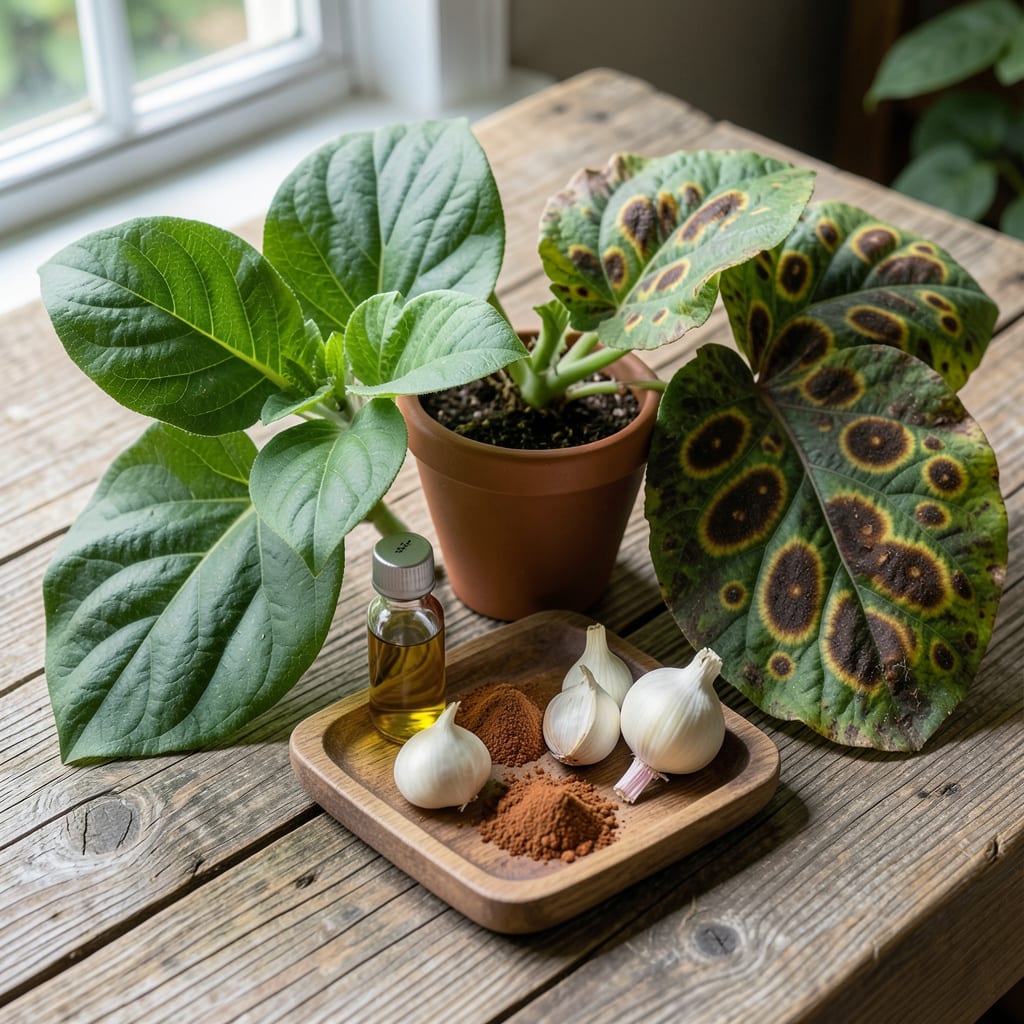
Spotted leaves ruining your garden? I’ve battled septoria more times than I care to admit. 🌱 It starts with tiny brown spots, then spreads until your plants look like they’ve been through a war.
Here’s the thing—this fungus thrives in wet, crowded conditions. Proper spacing and watering at the base (not the leaves) can prevent half the problem before it starts.
With the right organic fungicides, you can stop the spread and nurse your plants back to healthy green. Copper sprays and neem oil work wonders when caught early.
Works for tomatoes, potatoes, and more. Let’s save those leaves before it’s too late.
Leaf septoria, caused by the fungus Septoria lycopersici, thrives under specific environmental conditions and cultural practices. Understanding these triggers helps prevent and manage outbreaks effectively.
This fungal disease spreads rapidly in wet, humid environments. Overhead watering, poor drainage, or prolonged leaf wetness (from rain or dew) create ideal conditions for Septoria spores to germinate and infect plant tissue. Spores can survive in soil and plant debris, splashing onto lower leaves during irrigation or rainfall.
The fungus proliferates in temperatures between 60–80°F (15–27°C), with optimal infection occurring at 75°F (24°C). Warm days combined with cool, dewy nights accelerate spore production and disease progression, especially in crowded plant canopies where airflow is restricted.
Dense plantings or neglecting to prune lower leaves trap moisture and reduce airflow, fostering fungal growth. Stagnant air allows spores to settle and penetrate leaf surfaces, leading to the characteristic circular spots with gray centers and dark borders.
Septoria overwinters in crop residue, soil, and weed hosts. Failing to remove infected plant material after harvest or between growing seasons provides a persistent spore source. Even tools or hands contaminated with spores can transfer the pathogen to healthy plants.
Some tomato and potato cultivars lack genetic resistance to leaf septoria. Heirloom or non-resistant varieties are more vulnerable, particularly when grown in regions with a history of the disease. Choosing Septoria-resistant seeds or transplants can significantly reduce infection risk.
Leaf septoria can be managed effectively with the right approach. Here’s how to tackle each cause and restore your plants to health.
Start by pruning all visibly infected leaves and stems. Use clean, sharp shears to avoid spreading the fungus. Dispose of the debris in sealed bags—never compost it, as the spores can survive and reinfect your garden.
Fungus thrives in damp, stagnant conditions. Thin out crowded plants to allow better airflow. Space them according to their mature size, and avoid overhead watering to keep foliage dry. Water at the base in the early morning so leaves dry quickly in the sun.
For active infections, use copper-based fungicides or neem oil. Apply every 7–10 days until the problem clears. Baking soda spray (1 tsp baking soda + 1 quart water + a drop of dish soap) can also help as a mild, preventative treatment.
Consistency is key—catch it early, act fast, and keep your garden clean to stop septoria in its tracks.
Apply organic fungicides like copper or neem oil every 7–10 days during active infection. For prevention, spray every 2 weeks or after heavy rain. Consistency is key to stopping the spread.
No, never compost infected leaves. The fungus survives composting and can reinfect your garden. Seal and discard them in the trash to prevent further outbreaks.
Water early in the morning so leaves dry quickly in the sun. Avoid evening watering, which leaves foliage damp overnight—perfect conditions for fungal growth.
Resistant varieties are less susceptible but not immune. They may show milder symptoms or slower progression. Still, use good cultural practices to minimize risk.
