
Beautiful Plants For Your Interior
Beautiful Plants For Your Interior
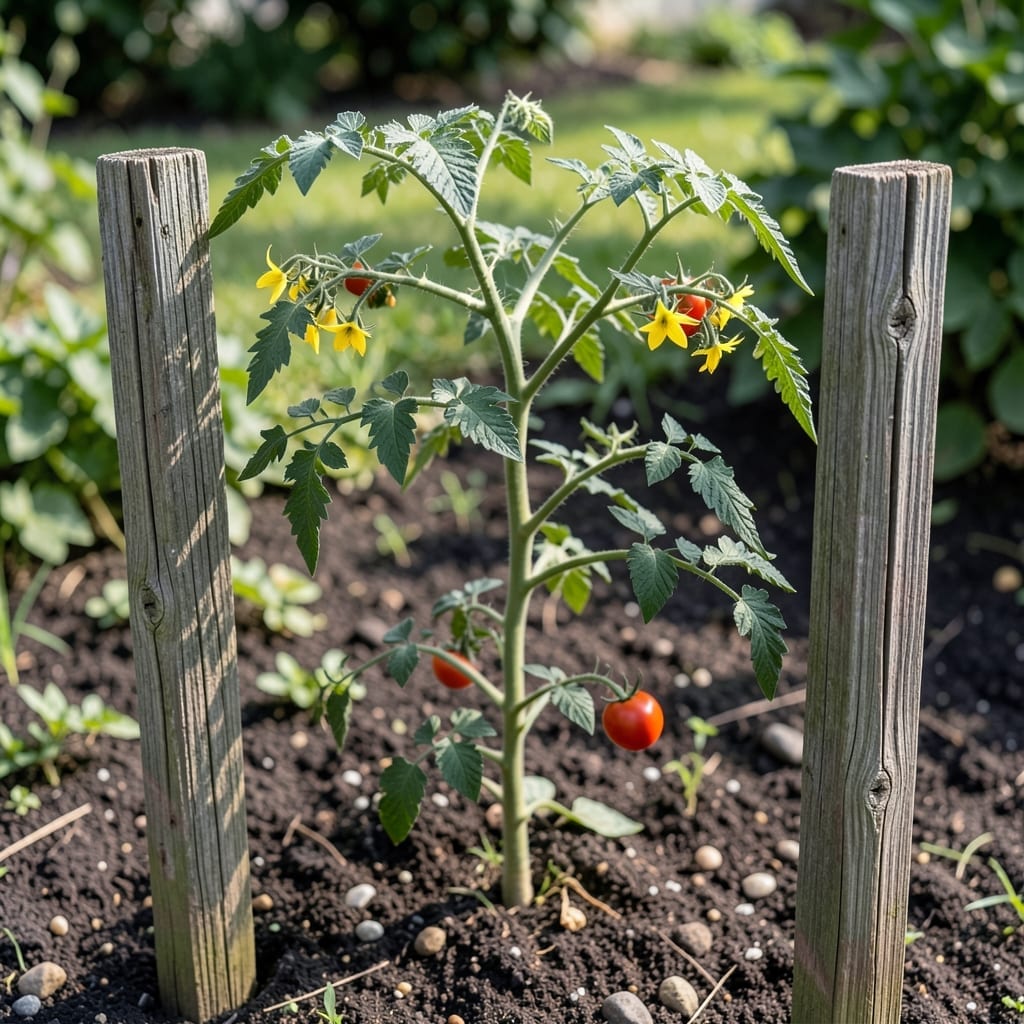
Those spindly stems with sparse leaves break my heart every time. Leggy tomato plants happen when they stretch for light, and I’ve watched too many gardeners lose half their harvest to this common issue.
Here’s the thing—it’s fixable. More light, strategic pruning, and proper staking can turn those weak stems into strong, bushy plants loaded with fruit. The key is acting fast before they get too tall and top-heavy.
I’ve rescued dozens of leggy seedlings with just a pair of scissors and a sunnier spot. Within 2 weeks, you’ll see thicker stems and fuller foliage, setting the stage for a bountiful harvest.
Prevention starts with seed placement—give them 12-16 hours of light daily from the get-go. Trust me, your tomatoes will thank you.
Leggy tomato plants are often a sign of suboptimal growing conditions. Here’s why it happens, broken down by the most common causes:
Tomatoes are light-hungry plants, requiring 6–8 hours of direct sunlight daily. When light is scarce (e.g., indoor seedlings or shaded outdoor spots), they stretch toward the light source in a process called etiolation. This results in weak, spindly stems with sparse foliage. Action: Move plants to a sunnier location or use grow lights (12–16 hours/day for seedlings).
High heat (above 85°F/29°C) can accelerate growth too quickly, causing stems to elongate before leaves can develop properly. This is common in greenhouses or during heatwaves. Action: Provide shade cloth or ventilate growing areas to maintain ideal temps (70–80°F/21–27°C during the day).
When seedlings are packed too closely, they compete for light, triggering the same stretching response as low light. Poor air circulation also weakens stems. Action: Thin seedlings to 2–3 inches apart or transplant to larger containers early.
Excess nitrogen (especially in early growth) promotes rapid stem elongation at the expense of leaf and root development. Conversely, phosphorus deficiency can stunt overall growth, but stems may still stretch weakly. Action: Use a balanced fertilizer (e.g., 5-5-5 NPK) or switch to a formula lower in nitrogen (e.g., 3-4-6) once true leaves appear.
Starting seeds too early (e.g., 10+ weeks before the last frost) forces plants to grow indoors for too long, often in inadequate light. Action: Sow seeds 6–8 weeks before transplanting outdoors, and harden off seedlings gradually to avoid shock.
When your tomato plants start looking more like vines than bushes, it’s time to take action. Here’s how to tackle the most common causes of leggy growth and keep your plants compact and productive.
If weak light is the culprit, relocate potted plants to a sunnier spot (6–8 hours of direct sunlight daily). For garden beds, trim nearby foliage casting shade. No bright area? Use grow lights (LED full-spectrum) for 12–16 hours a day, positioning them 6–12 inches above seedlings. Prevention tip: 💡 Start seeds indoors under lights if early spring weather is gloomy.
Seedlings competing for space stretch upward. Thin them so each has 2–3 inches of room, or transplant to larger containers. Space mature plants 18–24 inches apart in the garden. Prevention tip: ✨ Sow seeds sparingly or use seed tapes to avoid overcrowding from the start.
Once plants are 6–8 inches tall, pinch off the top set of leaves (the growing tip) to encourage bushier growth. For older leggy plants, trim the top 1/3 of the main stem and any overly long side shoots. Prevention tip: 🎯 Prune regularly—every 2–3 weeks—to maintain shape and redirect energy to fruit production.
Switch to a low-nitrogen, high-phosphorus fertilizer (like 5-10-10) to promote flowering and fruiting over leafy growth. Reduce feeding frequency if you’ve been overzealous. Prevention tip: 🌡️ Test soil before fertilizing; tomatoes often thrive with compost alone.
Leggy plants can flop over, worsening the problem. Use tomato cages, stakes, or trellises to keep stems upright and encourage side shoots to thicken. Tie stems loosely with soft ties. Prevention tip: 🌿 Install supports when transplanting to avoid disturbing roots later.
Tomato seedlings require 12-16 hours of light daily to prevent legginess. Use grow lights indoors if natural sunlight is insufficient.
Yes! Prune the top 1/3 of the stem and repot deeper to encourage root growth. Stake it immediately to support the weak stem.
Space mature plants 18-24 inches apart. For seedlings, maintain 2-3 inches between each to prevent competition for light.
Avoid high-nitrogen fertilizers. Switch to a low-nitrogen, high-phosphorus formula like 5-10-10 to promote bushier growth.