
Beautiful Plants For Your Interior
Beautiful Plants For Your Interior
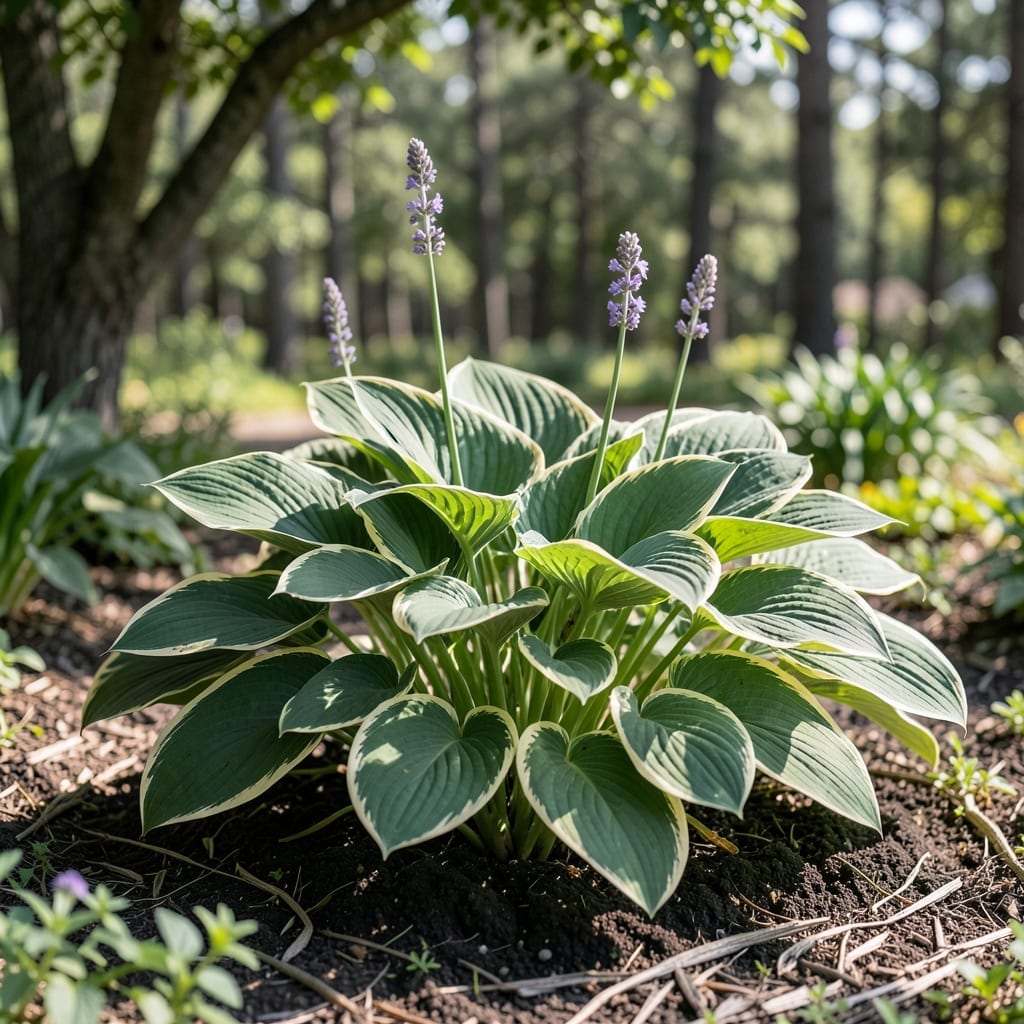
Perennial leaves tell the story of your garden’s health year-round. I’ve learned to read them like a book—color, texture, and timing reveal exactly what your plants need before problems escalate.
Spring brings fresh growth, summer tests their endurance, and fall prep matters most. With basic observation and seasonal care, you’ll keep foliage thriving through every season without the guesswork.
📚 In This Guide
Here’s the method I use to keep perennial foliage healthy and vibrant through every season.
As temperatures rise above 50°F, inspect your perennials for winter damage and trim away any brown or tattered foliage. This isn’t just about aesthetics—removing dead growth allows sunlight to reach emerging shoots and reduces the risk of fungal diseases that thrive in damp, decaying matter.
I always use clean, sharp pruners to make precise cuts at a 45-degree angle, just above a bud or new shoot. This encourages healthy regrowth and minimizes stress on the plant. Watch for new green growth at the base—that’s your signal the plant is breaking dormancy.
During the summer, perennials need consistent moisture, especially if rainfall drops below 1 inch per week. Water deeply at the base in the early morning to allow foliage to dry before nightfall, which prevents fungal issues like powdery mildew.
I mulch around the base with 2-3 inches of organic matter to retain moisture and regulate soil temperature. If leaves start to yellow or develop brown edges, it’s often a sign of heat stress—adjust your watering schedule immediately. Healthy summer foliage should be lush, deep green, and free of spots or discoloration.
As temperatures drop below 40°F in fall, resist the urge to cut back all foliage. Many perennials, like hostas and daylilies, benefit from leaving their leaves intact until spring. This natural mulch protects the crown from freeze-thaw cycles and provides habitat for beneficial insects.
However, if foliage shows signs of disease, remove it promptly to prevent spores from overwintering. For evergreen perennials, like hellebores, ensure they’re mulched with 1-2 inches of compost to insulate roots. You’ll know it’s time to clean up when leaves turn completely brown and brittle.
Throughout the year, keep an eye out for pests like aphids or slugs, which target tender new growth. A strong spray of water can dislodge aphids, while beer traps or diatomaceous earth work well for slugs. If you notice holes or chewed edges on leaves, inspect the undersides for pests.
For fungal problems, improve air circulation by thinning crowded stems and avoiding overhead watering. I’ve found that applying a copper-based fungicide at the first sign of spots can save the plant. Healthy perennials reward you with foliage that stays vibrant from spring through fall, with minimal intervention.
Small adjustments in timing and technique make a big difference in perennial care.
Temperature Matters: The 50°F spring threshold is your cue to start inspecting for winter damage. I’ve found that even a day or two above this temperature can kickstart new growth, so don’t wait too long to prune. Similarly, when fall temps drop below 40°F, that’s your signal to start preparing plants for dormancy.
Pruning Precision: In Step 1, cutting at a 45-degree angle just above a bud isn’t just for looks—it prevents water from pooling on the cut surface, which can lead to rot. Always use sharp pruners to avoid crushing stems, which invites disease.
Watering Wisdom: The 1 inch per week rainfall guideline in Step 2 is a minimum. In extreme heat, I often double this amount for thirsty perennials like hostas. Water deeply at the base rather than frequent shallow watering, which encourages shallow root systems.
Mulching Method: For summer mulch, the 2-3 inches of organic matter rule works best with coarse materials like shredded bark. Fine mulches like grass clippings can mat down and suffocate roots. In winter, that 1-2 inches of compost for evergreens acts like a blanket for the root system.
Prune perennials in early spring or after flowering. Removing dead or damaged leaves in spring encourages new growth, while post-bloom pruning helps maintain shape. Avoid heavy pruning in fall, as it can reduce winter protection.
Yellow leaves often signal overwatering, poor drainage, or nutrient deficiencies. Check soil moisture and drainage first. If the issue persists, test soil pH and adjust fertilization. Pests or diseases may also cause yellowing.
No, avoid composting diseased leaves, as this can spread pathogens. Dispose of them in the trash or burn them (if local regulations allow). Healthy leaves, however, make excellent compost material.
Apply a layer of mulch (2–4 inches) around the base to insulate roots and protect foliage. Use straw, shredded leaves, or wood chips. Avoid piling mulch directly against stems to prevent rot.
Check for underwatering or root damage first. Water deeply if the soil is dry, and trim back severely wilted leaves to redirect energy. If pests or disease are the cause, treat accordingly with organic or chemical solutions.