
Beautiful Plants For Your Interior
Beautiful Plants For Your Interior
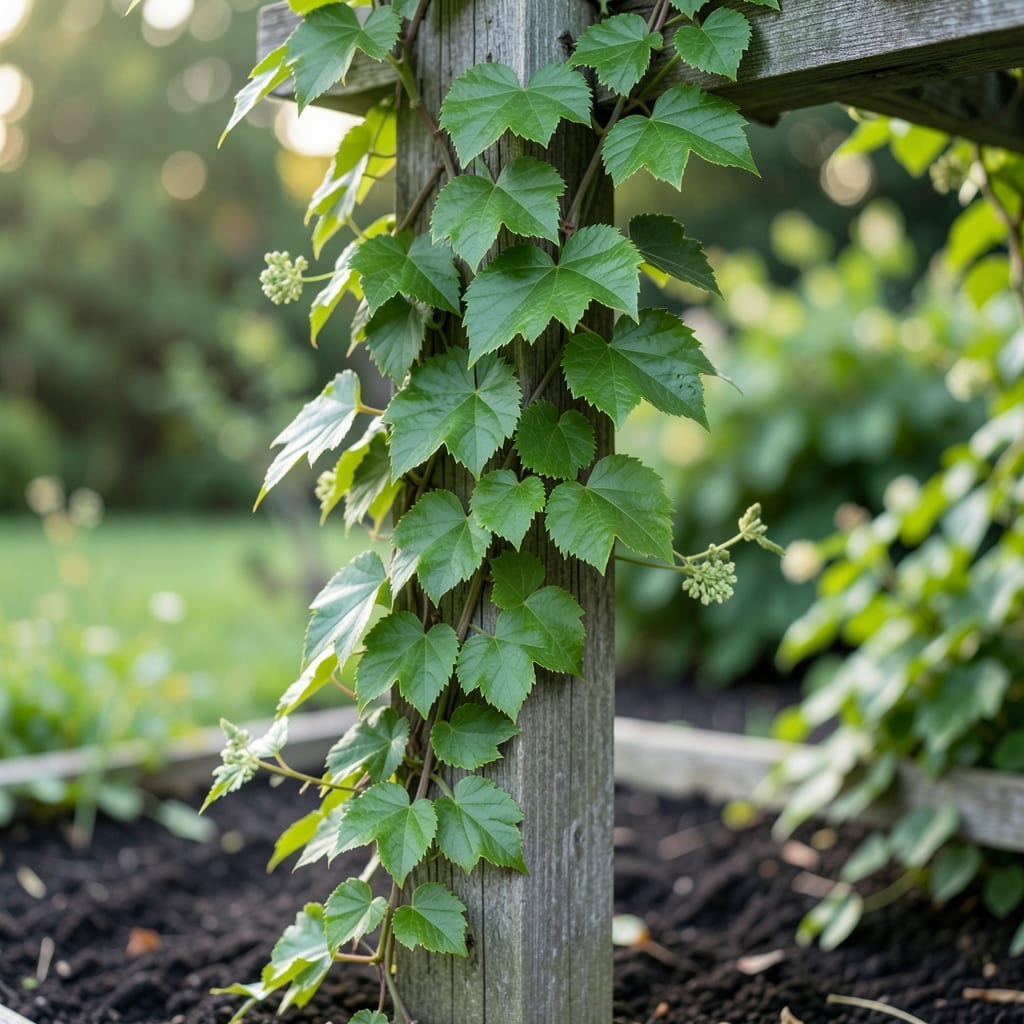
Spotting poison ivy changed how I hike and garden. Leaves of five means it’s time to step back and take a closer look—this plant can turn a fun day outside into weeks of itching.
I’ve learned to check for the middle leaflet’s longer stem and the glossy or dull finish that sets it apart. Avoiding it is easier than treating the rash, and knowing what to look for keeps me safe in the yard and on trails.
📚 In This Guide
Here’s how to spot this plant and keep yourself safe from its irritating oils.
Look for clusters of three pointed leaflets growing from a single stem. Each leaflet is 2-6 inches long with smooth or slightly toothed edges. The middle leaflet often has a longer stem than the two side leaflets, creating an asymmetrical appearance.
This three-leaf pattern is the most reliable identifier. The leaves change color with the seasons—bright green in spring, darker green in summer, and red or orange in fall. This color variation can make identification tricky, so always check the leaf arrangement first.
Poison ivy grows in various forms: as a trailing vine along the ground, a climbing vine on trees or fences, or a free-standing shrub. When climbing, it develops hairy aerial roots that help it cling to surfaces. These roots look like fine, fuzzy strands.
The stems are often reddish, especially in younger plants. Berries appear in late summer and turn from green to white as they mature. While the berries can help confirm identification, avoid touching them—they contain the same irritating oil as the rest of the plant.
Boxelder and Virginia creeper both have three leaflets but grow in different patterns. Boxelder leaves are arranged in pairs along the stem, while Virginia creeper has five leaflets. Boston ivy also has three leaflets but grows in dense clusters and doesn’t cause skin irritation.
When in doubt, remember this rhyme: “Leaves of three, let it be.” This simple rule helps you avoid the most common mistake of misidentifying harmless plants. Still, some harmless plants also have three leaves, so always consider the full plant structure.
Never touch any part of the plant, including the leaves, stems, roots, or berries. The oil that causes the rash, urushiol, remains active on surfaces for years. Even dead plants or those in winter dormancy can cause a reaction.
If you accidentally touch poison ivy, wash the affected area immediately with soap and cool water. Scrub gently but thoroughly for at least 10 minutes to remove the oil. Clean under your fingernails and any clothing that may have brushed against the plant. The sooner you wash, the better your chances of avoiding a rash.
Wear long sleeves, pants, and gloves when working in areas where poison ivy might grow. Consider using barrier creams that can help block urushiol from penetrating your skin. After outdoor activities, wash your clothes and any tools you used with soap and water.
To remove poison ivy from your property, never burn it—the smoke can carry urushiol particles that cause severe lung irritation if inhaled. Instead, carefully dig out the roots or use an herbicide specifically designed for poison ivy, following all safety precautions on the label.
The details that help you avoid this plant with confidence every time.
Leaf Pattern Focus: Always look for the three-leaflet cluster first—that’s your most reliable identifier. Confession: I used to think poison ivy only had smooth edges, but the leaves can be toothed too. The asymmetrical middle stem is the true giveaway.
Stem Inspection: Don’t overlook the vine itself. Younger poison ivy has smooth green stems that turn woody and brown with age. I once touched a hairy vine assuming it was harmless—that mistake taught me to examine stems as carefully as leaves.
Seasonal Awareness: Remember that poison ivy changes appearance throughout the year. In spring and summer, look for greenish-white flowers, while fall brings white berries and red or orange leaves. I scan for berries especially when hiking in autumn.
Cleanup Protocol: If you suspect contact, use cold water and soap immediately—hot water opens pores and spreads the oil. I keep rubbing alcohol handy for tools and surfaces, as it breaks down the urushiol better than soap alone.
Look for clusters of three pointed leaflets (not five) growing from a single stem. The saying is a reminder: “Leaves of three, let it be.” Poison ivy often has a shiny or hairy appearance and may have red stems or berries.
Wash the exposed skin immediately with soap and cool water to remove the plant’s oils (urushiol). Avoid scrubbing, as it can spread the oil. Change clothes and clean tools that may have touched the plant.
Yes! Poison oak also has leaves in groups of three, but with rounded lobes. Virginia creeper has five leaflets but is harmless. Always double-check with a field guide or app if unsure.
Poison ivy is a threat year-round, but it’s most potent in spring and summer when oils are abundant. Even dead plants or dormant vines in winter can cause rashes. Stay cautious!
Yes. Urushiol oil can stick to pet fur and transfer to you. Bathe your pet with gloves and soap if they’ve been in areas with poison ivy.