
Beautiful Plants For Your Interior
Beautiful Plants For Your Interior
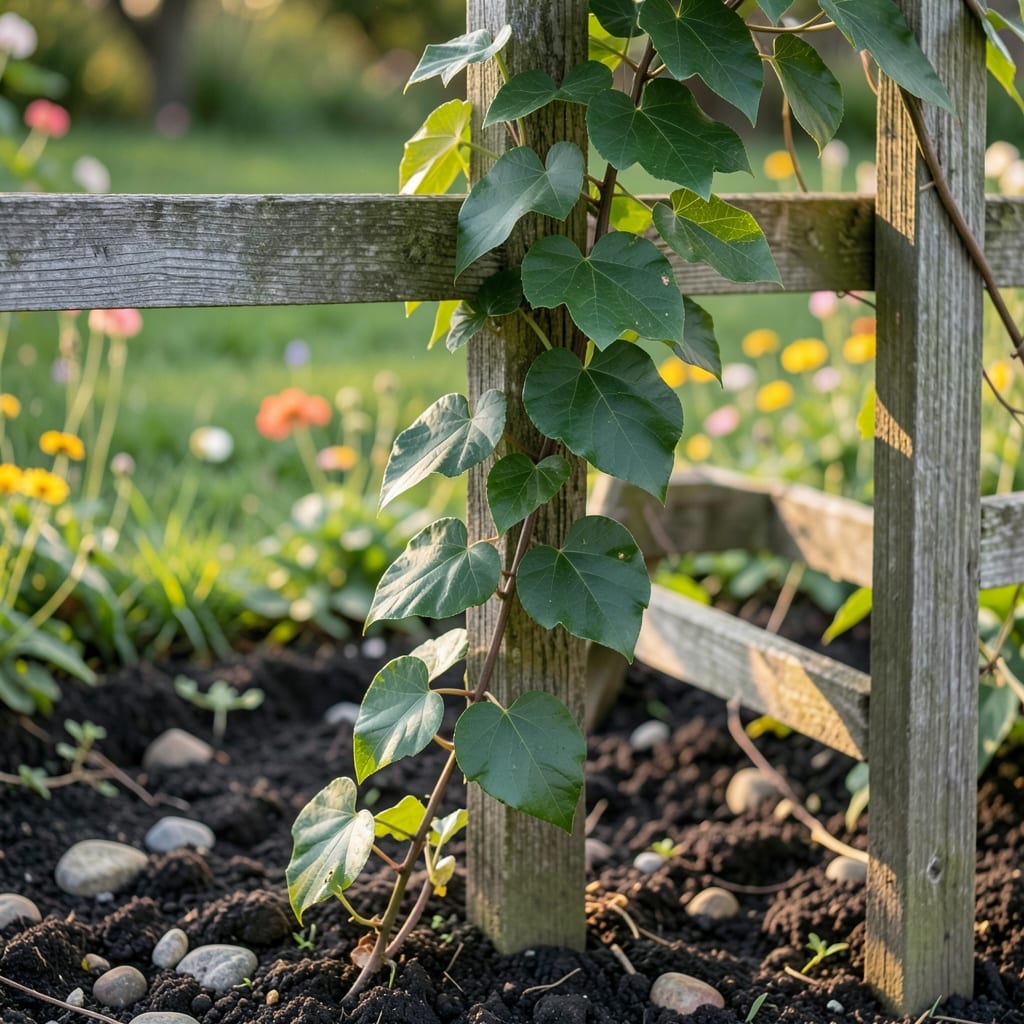
Leaves of five often indicate poison ivy, which has three leaflets but appears in clusters of five on stems. Always avoid contact to prevent skin irritation and rashes.
I’ve learned this pattern can be tricky because poison ivy’s three leaflets often grow in groups of five along the vine. The oil urushiol is the culprit behind the itchy rash, and it spreads easily through touch. 🌿
What helps me remember is that harmless plants like Virginia creeper have five distinct leaflets per leaf, not clusters. Still, it’s best to stay cautious—when in doubt, don’t touch.
💡 In This Article
Poison ivy’s growth pattern often confuses people because it produces three leaflets per leaf, but these leaves grow in alternating clusters of five along the vine. This creates the “leaves of five” appearance that many recognize.
The central stem (rachis) holds the three leaflets, while the vine itself produces these leaf groups in sets of five.
The middle leaflet typically has a longer stem than the two side ones, forming a distinctive shape. In spring, the leaves may appear reddish, turning glossy green in summer, then vibrant red or orange in fall.
This seasonal color change often catches people off guard, as they don’t expect poison ivy to look different throughout the year. 🌿
Virginia creeper, a common harmless lookalike, has five separate leaflets emerging from a single point, not three leaflets in clusters of five. The edges of Virginia creeper leaves are also more jagged (serrated) compared to poison ivy’s smoother edges.
Another key difference: Virginia creeper vines are woody and can grow up tree trunks, while poison ivy vines are hairy and rope-like.
For positive identification, examine the leaf arrangement carefully. True poison ivy will always have groups of three leaflets growing alternately along the stem, often appearing in clusters of five.
The old saying “leaflets three, let it be” still holds true, but the “leaves of five” pattern refers to how these three-leaflet groups appear on the vine.
Remember that poison ivy can grow as a shrub, vine, or ground cover. In all forms, it maintains this three-leaflet-per-leaf structure. The vines can reach up to 100 feet tall when climbing trees, making proper identification crucial for outdoor activities. ✨
Poison ivy has three leaflets in clusters of five along the vine, while Virginia creeper has five separate leaflets from one point. Virginia creeper also has jagged leaf edges.
Wash the area immediately with soap and cool water. Use friction and avoid warm water. Soap and water within 10 minutes can help prevent a rash.
Yes, it can appear as a shrub or ground cover. In all forms, it maintains three leaflets per leaf. The vines can grow up to 100 feet tall.
Leaves may be reddish in spring, glossy green in summer, and vibrant red or orange in fall. This seasonal change often catches people off guard.
Use rubbing alcohol or specialized poison ivy wipes when soap and water aren’t available. These break down the oil effectively.