
Beautiful Plants For Your Interior
Beautiful Plants For Your Interior
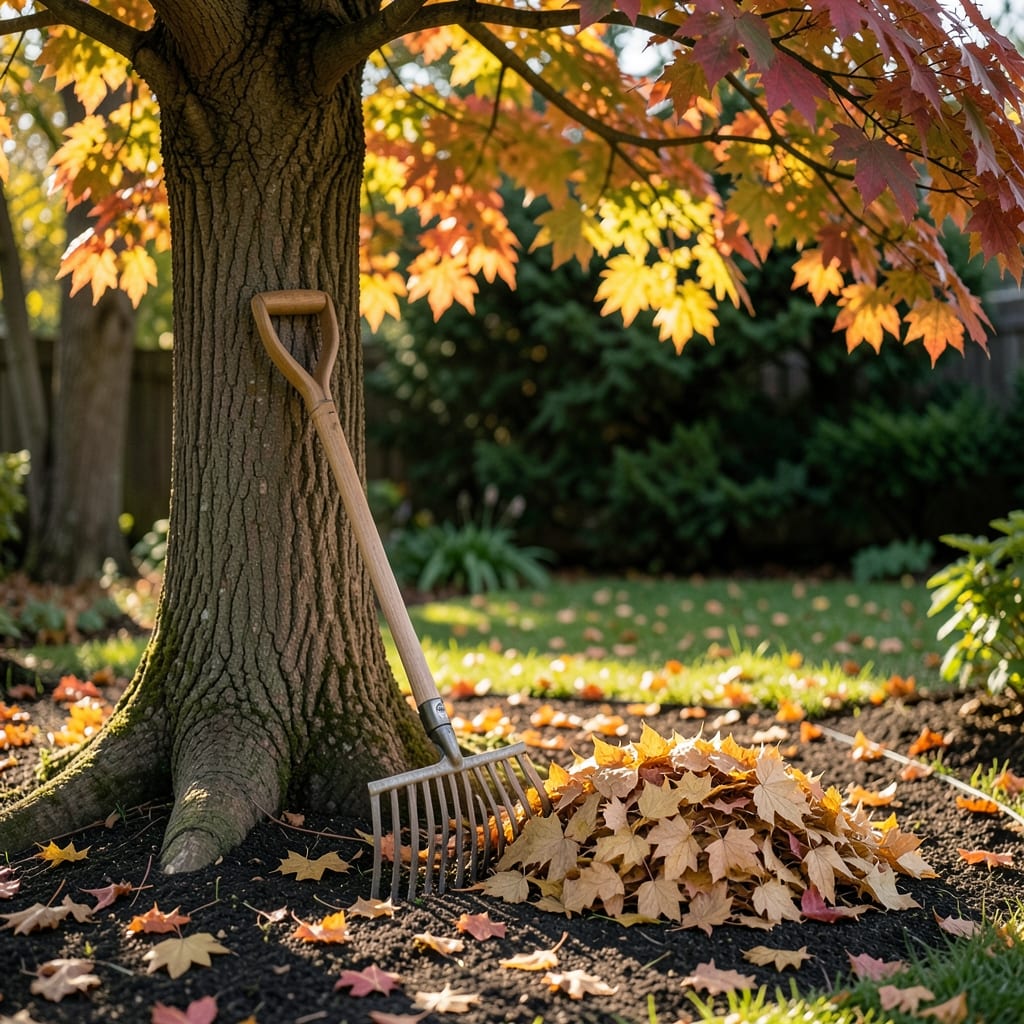
Autumn leaves can quickly turn a tidy lawn into a messy eyesore. I’ve spent too many weekends raking the same spots, only to watch them fill up again overnight.
There’s a faster way to tackle this—with the right tools and timing, you can clear your yard in half the time and keep it looking sharp all season.
📚 In This Guide
Here’s the method I use to clear fallen leaves efficiently and keep them from returning.
Start by raking the leaves into manageable piles. I use a standard garden rake, working in sections to avoid feeling overwhelmed. Focus on creating small, tight piles—this makes the next steps much easier.
Work with the wind at your back to prevent leaves from blowing back into cleared areas. You’ll notice the yard looking tidier almost immediately as the piles form. Don’t worry about getting every single leaf in this step—just clear the bulk.
Once the leaves are piled, decide whether to bag or compost them. If composting, I shred the leaves first with a lawn mower or leaf shredder to speed up decomposition. Shredded leaves break down faster and make better mulch.
For bagging, use sturdy lawn bags and fill them only ¾ full to prevent tearing. Tie the bags securely so they don’t split when you lift them. If you’re composting, layer the shredded leaves with green materials like grass clippings for balanced decomposition.
A leaf blower is perfect for clearing leaves from tight spaces like between shrubs, along fences, or on driveways. I use mine on a low setting to avoid scattering leaves too far. Point the blower downward to push leaves toward your piles.
Be mindful of neighbors and avoid using the blower early in the morning or late in the evening. Aim for dry, calm days when leaves are easier to move and less likely to stick to wet surfaces.
If the layer of leaves isn’t too thick, consider mulching them directly into your lawn. Use a lawn mower with a mulching blade to chop the leaves finely. The small pieces will decompose quickly, returning nutrients to the soil.
Mow over the leaves when they’re dry for the best results. You’ll see the mulched leaves disappear into the grass within a few days. This method saves time and improves your lawn’s health naturally.
To keep leaves from piling up again, set a schedule for quick cleanups. I do a light raking or blowing every few days during peak fall to stay ahead of the accumulation. This prevents the overwhelming task of dealing with a thick layer all at once.
Trim tree branches that overhang your yard to reduce the amount of leaves falling. You’ll notice a big difference in how quickly and easily you can maintain a leaf-free space with this small effort.
Small adjustments in your approach can make leaf cleanup faster and more effective.
Wind Direction Matters: In Step 1, always work with the wind at your back when raking. This prevents leaves from blowing back into areas you’ve already cleared. I learned this the hard way after redoing the same section three times on a breezy day.
Bag Filling Technique: When bagging leaves in Step 2, filling bags only ¾ full prevents tears and makes them easier to carry. Overfilling causes bags to split, especially with damp leaves, and you’ll end up with a mess on your hands.
Blower Settings: For Step 3, use your leaf blower on a low setting to avoid scattering leaves everywhere. Point it downward to push leaves toward your piles rather than across the yard. This gives you better control, especially in tight spaces.
Maintenance Schedule: In Step 5, sticking to a cleanup every few days during peak fall keeps the task manageable. Waiting too long between cleanups means dealing with thicker layers that are harder to move and take more time to clear.
Aim to rake leaves every 1-2 weeks during peak fall to prevent buildup. If left too long, wet leaves can smother grass and promote mold or pests.
Compost dry leaves for nutrient-rich soil, or bag them for municipal pickup. Avoid burning leaves in urban areas—it’s often prohibited and can cause air pollution.
A thin layer can act as natural mulch, but thick piles block sunlight, trap moisture, and invite pests. For lawn health, it’s best to remove or shred them.
Use a leaf blower for large areas or a tarp to gather piles quickly. A mulching mower can also shred leaves, returning nutrients to the soil with less effort.
Install a fine mesh fence or netting around your yard’s perimeter to catch blowing leaves. Regularly trim overhanging branches to reduce leaf drop.