
Beautiful Plants For Your Interior
Beautiful Plants For Your Interior
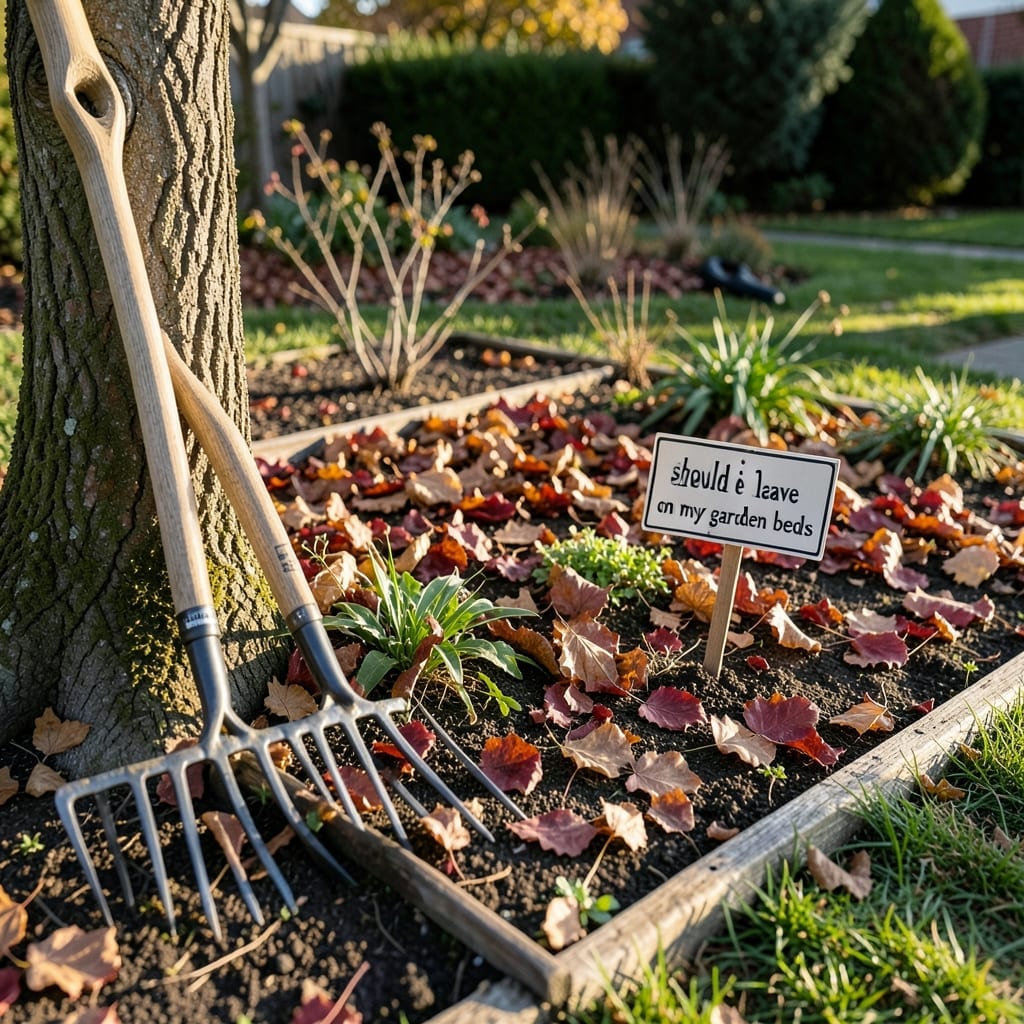
Leaving leaves on garden beds can protect soil, retain moisture, and provide insulation for roots, but may harbor pests or block sunlight if too thick.
I’ve seen firsthand how a 2-3 inch layer creates a natural mulch that slowly breaks down, feeding soil microbes while suppressing weeds. The key is balance—too thin and you lose benefits, too thick and you risk smothering plants or inviting rodents. 🌟
In my garden, I shred them first to speed up decomposition and prevent matting, which helps maintain airflow to the soil beneath. ✨
💡 In This Article
Fallen leaves act like nature’s slow-release fertilizer as they decompose. The process begins when fungi and bacteria break down the carbon-rich material, converting it into humus that improves soil structure. This organic matter boosts water retention by up to 50% in sandy soils while enhancing drainage in clay-heavy beds. 🔥
Leaves also feed the soil food web. Earthworms consume the decaying material, digesting it into nutrient-rich castings that contain 5-11 times more nitrogen, phosphorus, and potassium than the surrounding soil. Their tunneling simultaneously aerates the earth, improving root penetration. ✨
Temperature moderation is another key benefit. A 2-4 inch leaf layer acts like a thermal blanket, keeping soil temperatures 5-10°F warmer in winter and cooler in summer. This stability encourages microbial activity year-round and protects plant roots from freeze-thaw cycles. 🌟
Erosion prevention happens through physical protection. Leaves intercept raindrops, reducing their impact on bare soil by up to 80%. This prevents surface crusting and allows water to penetrate gradually, carrying dissolved nutrients deeper into the root zone. ⚡
The decomposition timeline varies by leaf type. Oak leaves may take 1-2 years to fully break down due to their high tannin content, while maple leaves often decompose within 6-12 months. Shredding leaves accelerates this process by increasing surface area for microbial action. 💫
Only if the layer exceeds 4 inches. A 2-3 inch layer allows sunlight and airflow while still providing benefits. Always keep leaves away from plant stems to prevent rot.
Shredding speeds up decomposition by 50% and prevents matting. Whole leaves can blow away or create a barrier that blocks water and air. Use a mower or leaf shredder.
Remove them in early spring before new growth starts. For perennial beds, you can leave them all winter. This timing prevents smothering while maximizing winter protection.
Yes, thick layers may harbor rodents or insects. Avoid piling leaves against stems and remove them from beds with pest problems. Maintain a 6-inch gap around plant bases.