
Beautiful Plants For Your Interior
Beautiful Plants For Your Interior
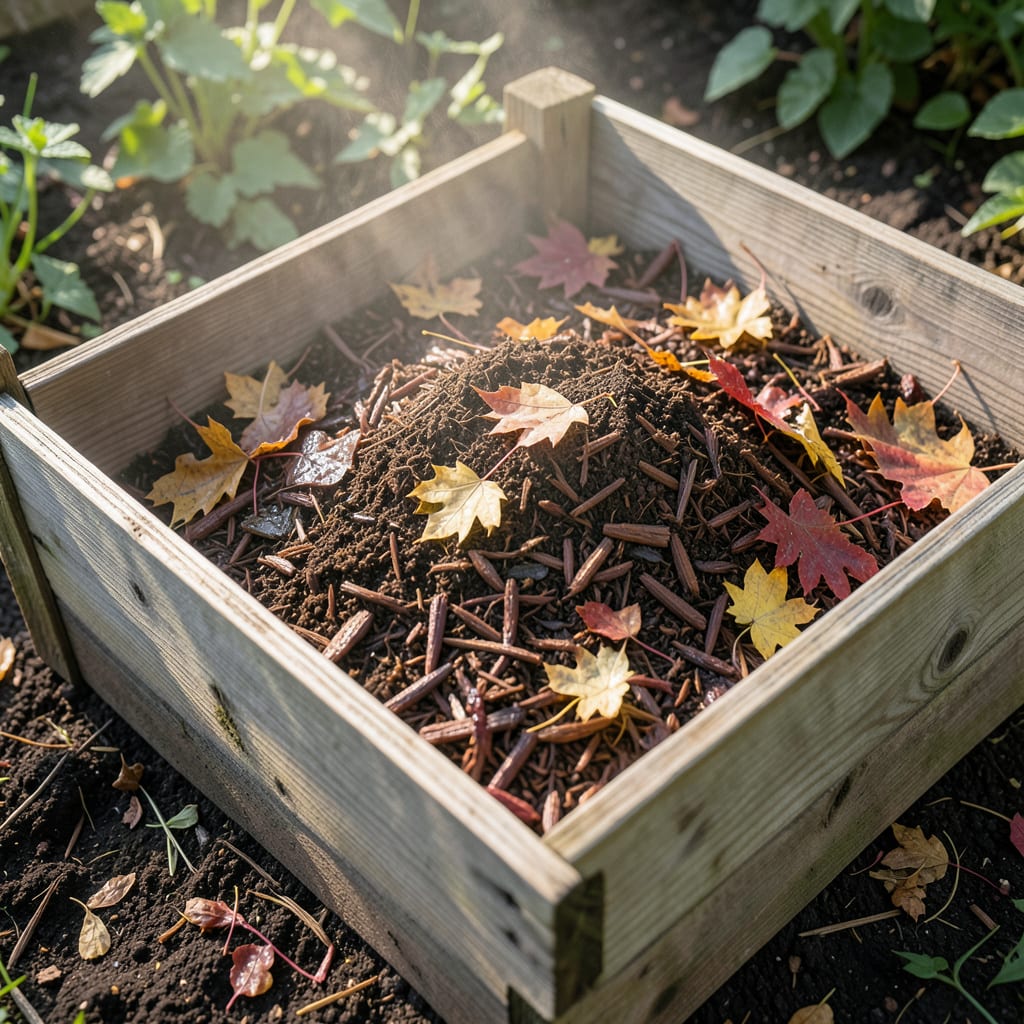
Fall cleanup used to mean bagging leaves for the curb. Then I discovered mulched leaves are a free soil booster that saves me money and improves my garden.
Spread them as mulch, mix into beds, or add to compost. They break down quickly, adding nutrients and improving soil structure. Works for flower beds, vegetable gardens, or around trees.
📚 In This Guide
Here’s the method I’ve refined over years to turn fallen leaves into a powerful soil amendment.
Gather dry, disease-free leaves from your yard—avoid any with signs of fungal growth like powdery mildew or black spots. I use a leaf vacuum or a standard lawn mower with a bag attachment to shred them into ¼ to ½ inch pieces. The smaller the particles, the faster they decompose and release nutrients.
If you don’t have a shredder, run over a pile of leaves with the mower a few times. You’ll know they’re ready when the pieces look like coarse confetti. This step prevents matting, which can smother your lawn or garden beds if left whole.
Spread the shredded leaves 2-3 inches thick around the base of trees, shrubs, or perennials. Keep the mulch 3-4 inches away from plant stems to prevent rot and rodent damage. Mulched leaves insulate roots during winter and retain moisture during warmer months.
For vegetable gardens, apply a 1-inch layer between rows or around plants. I’ve found this depth suppresses weeds effectively while still allowing water and air to penetrate. Avoid thick layers in annual beds—too much can smother emerging seedlings.
For a long-term soil amendment, work the mulched leaves 4-6 inches deep into garden soil in spring or fall. This adds organic matter, improves drainage, and encourages earthworm activity. I dig them in before planting new beds or mixing into existing ones.
If your soil is heavy clay, the leaves help break it up over time. For sandy soil, they improve moisture retention. You’ll notice the difference in 2-3 weeks as the leaves begin decomposing—soil becomes darker and looser.
Pile shredded leaves in a corner of your yard or a dedicated compost bin. Keep the pile moist (like a wrung-out sponge) and turn it every 4-6 weeks to speed decomposition. Leaf mold—a dark, crumbly, humus-rich material—forms in 6-12 months.
I use leaf mold as a top dressing for lawns, a seed-starting medium, or a soil conditioner. It’s especially valuable for acid-loving plants like blueberries and azaleas. You’ll know it’s ready when the original leaf shapes are no longer recognizable.
In late fall, spread a 1-2 inch layer of mulched leaves over your lawn. This protects grass roots from freezing temperatures and reduces winter desiccation. The leaves break down over winter, returning nutrients to the soil by spring.
Rake the remaining bits in early spring if any are left—most will have decomposed or been absorbed. I’ve seen lawns bounce back greener and thicker after this treatment, with fewer bare spots come spring.
After years of working with mulched leaves, I’ve learned a few key things that make all the difference in your garden.
The Size Factor: In Step 1, shredding leaves into ¼ to ½ inch pieces is non-negotiable. The smaller the particles, the faster they break down and release nutrients into your soil. I learned this the hard way after my first attempt with whole leaves matte together and smothered my flower beds.
Depth Matters: When applying as mulch in Step 2, stick to the 2-3 inch thickness for trees and shrubs. Any thinner, and you won’t get the moisture retention benefits. Any thicker, and you risk creating a barrier that blocks air and water from reaching the soil.
Timing for Leaf Mold: In Step 4, turning the pile every 4-6 weeks is what speeds up decomposition. Without this, the process can drag on indefinitely. I set calendar reminders so I don’t forget this crucial step.
Winter Protection Tip: For Step 5, that 1-2 inch layer on your lawn is perfect for insulation. Too much can suffocate the grass, but too little won’t provide enough protection against freezing temperatures. Come spring, you’ll see the difference in how much greener your lawn is.
Yes! Mulched leaves make excellent organic mulch. Spread a 2-3 inch layer around plants to retain moisture, suppress weeds, and improve soil health as they decompose. Avoid piling them against plant stems to prevent rot.
The ideal time is in late fall after most leaves have dropped. This allows you to shred them fresh. You can also store mulched leaves in a dry place and use them year-round as needed for mulching or composting.
No problem! You can shred leaves by running over them with a lawn mower (bag attachment works best) or using a string trimmer in a large bin. This breaks them down into smaller, more manageable pieces.
Generally, no—mulched leaves deter pests by creating a barrier. However, thick layers can attract rodents or insects. Keep the layer light (2-3 inches) and turn it occasionally to avoid issues.
They’re a great supplement but not a full replacement. Mulched leaves add organic matter and slow-release nutrients, but may lack specific nutrients like nitrogen. Pair them with compost or fertilizer for best results.
