
Beautiful Plants For Your Interior
Beautiful Plants For Your Interior
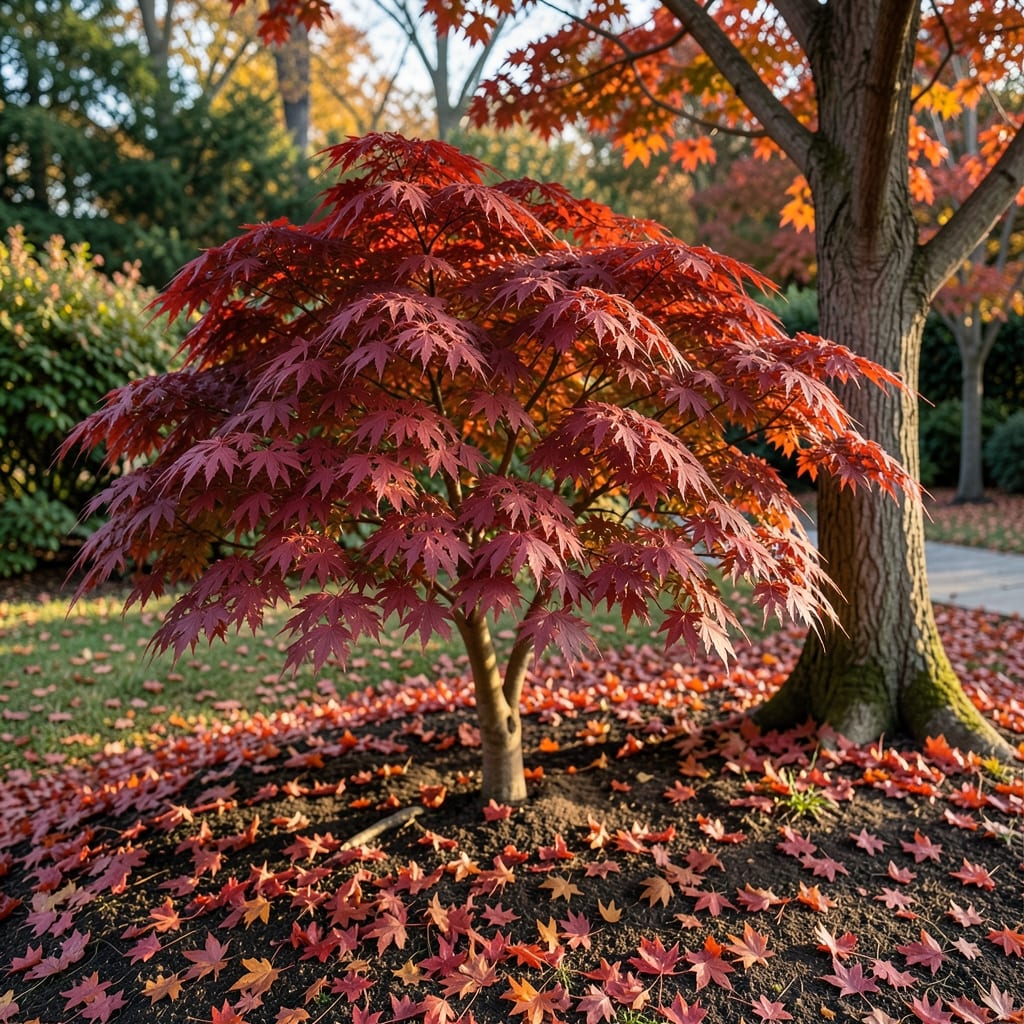
I stopped raking my garden beds last fall, and the results shocked me. The soil stayed damp, the worms multiplied, and my plants came back healthier than ever the next spring.
Leaving fallen leaves creates natural mulch that insulates soil, retains moisture, and provides winter habitat for beneficial insects. The best part? It saves hours of backbreaking work every autumn.
📚 In This Guide
Here’s my straightforward approach to keeping your garden foliage thriving with minimal effort.
Start by examining your plants for any signs of stress or damage. Look for discolored spots, yellowing edges, or unusual holes in the leaves. These can indicate pests, disease, or nutrient deficiencies that need immediate attention.
I check each plant individually, paying close attention to the undersides of leaves where pests often hide. Healthy leaves should appear vibrant, with consistent color and no visible damage. If you spot problems early, they’re much easier to manage.
Overwatering and underwatering both show up in the leaves first. Wilting or yellowing leaves often signal too much water, while dry, crispy edges suggest not enough. Aim for soil that feels moist but not soggy about 1 inch down.
I water deeply but less frequently, allowing the top layer of soil to dry slightly between waterings. This encourages stronger root systems and prevents leaf stress. Morning watering works best—it gives foliage time to dry before cooler evening temperatures.
Real talk: most leaf problems I see come from inconsistent watering. Stick to a schedule and adjust based on weather conditions.
Leaves need the right amount of light to stay healthy. Most plants do best with 6-8 hours of direct sun daily, though some prefer partial shade. If leaves appear pale or bleached, they might be getting too much sun. Leggy growth with sparse leaves usually means they need more light.
I rotate my potted plants a quarter turn weekly to ensure even light distribution. For garden beds, observe how sunlight moves across the area throughout the day and position plants accordingly. Don’t forget that light needs change with the seasons.
Yellowing leaves, particularly at the bottom of the plant, often signal a nitrogen deficiency. Purple stems or leaf veins might indicate a phosphorus shortage. A balanced, slow-release fertilizer applied according to package instructions can prevent these issues.
I prefer organic options like compost tea or fish emulsion, applied every 4-6 weeks during the growing season. Always water plants before and after fertilizing to prevent root burn. Remember that over-fertilizing can be just as harmful as under-fertilizing.
Healthy foliage requires consistent care. Set aside 10-15 minutes daily to walk through your garden, checking for changes in leaf appearance or new pest activity. Early intervention prevents small problems from becoming major issues.
I keep a simple garden journal to track leaf health, watering schedules, and any treatments applied. This helps me spot patterns and adjust my care routine as needed. Don’t underestimate the value of simply observing your plants regularly.
This is the moment that matters: catching issues before they spread keeps your garden looking its best all season long.
Small adjustments in your routine can make a big difference in leaf health.
The Watering Sweet Spot: That 1 inch soil depth check in Step 2 is crucial. Stick your finger in—if it comes out with moist soil clinging to it, you’re good. If it’s bone dry or dripping wet, adjust. Morning watering really does prevent most fungal issues by letting leaves dry before evening.
Light Rotation Hack: For Step 3, that quarter turn weekly might seem minor, but it prevents lopsided growth. I use a permanent marker to make a small dot on the pot’s rim as a visual reminder of which side needs turning. Works like a charm.
Fertilizer Timing: The 4-6 week interval in Step 4 isn’t arbitrary. Plants need time to absorb nutrients between applications. Mark your calendar after each feeding—consistency beats intensity when it comes to fertilization.
Daily Observation Ritual: Those 10-15 minutes in Step 5 are your best defense. I’ve found that doing this with my morning coffee makes it a habit. Bring a notepad to jot down anything unusual—you’ll notice patterns over time that aren’t obvious day-to-day.
Early fall is ideal, as leaves act as natural mulch, protecting soil and plants from winter cold. Avoid late spring, as decomposing leaves can smother new growth.
Most leaves are fine, but avoid thick layers of large or waxy leaves (like magnolia), which can mat and block sunlight. Shred them first for faster decomposition.
Leaves enrich soil with nutrients, suppress weeds, and provide habitat for beneficial insects and pollinators. It’s a free, eco-friendly alternative to raking!
Keep layers light (1-2 inches) and mix with grass clippings to speed up decomposition. Avoid wet, dense piles, which can attract pests or grow mold.
Yes! Compost leaves, use them as mulch in flower beds, or bag them for community pickup. If leaving them isn’t an option, repurpose them sustainably.