
Beautiful Plants For Your Interior
Beautiful Plants For Your Interior
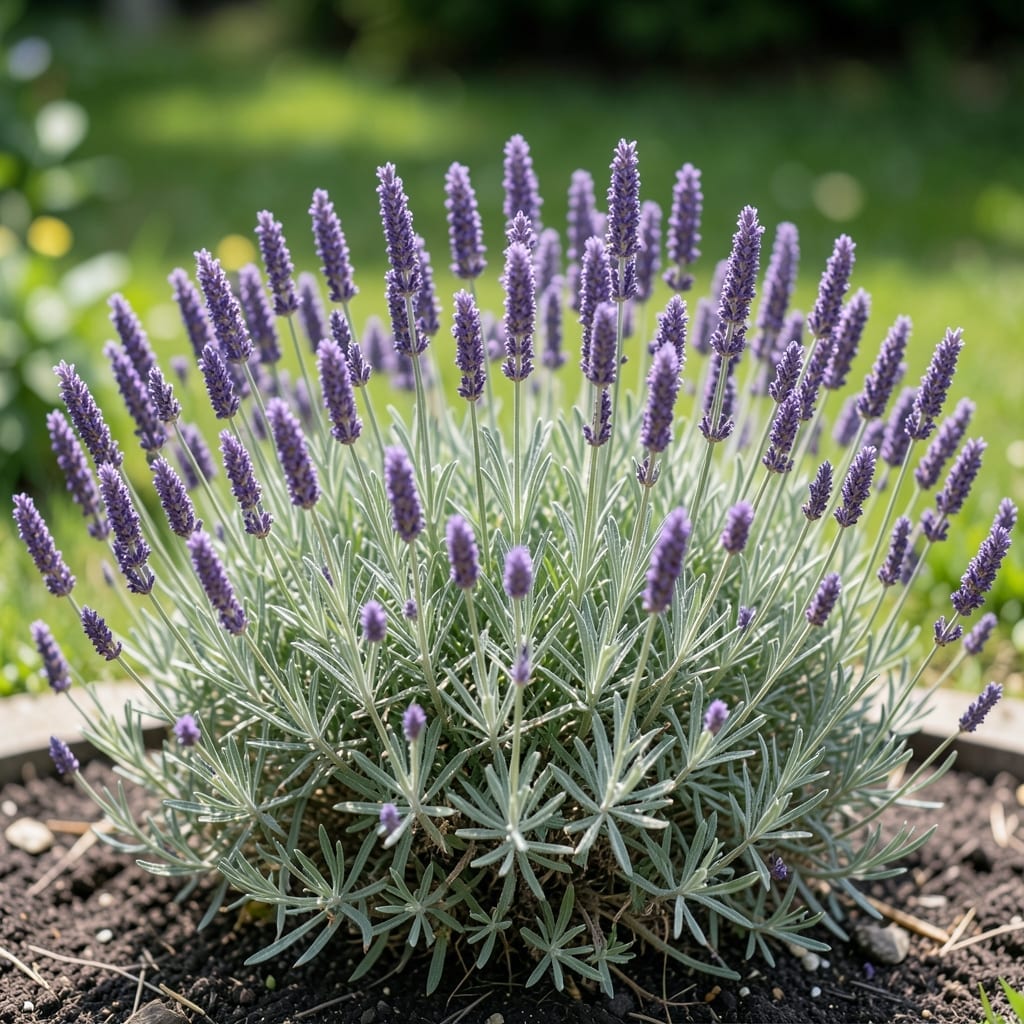
Wilting lavender leaves are my garden’s way of sending an SOS. 🌿 I’ve learned the hard way that it’s usually one of three culprits: too much water, too little, or a sneaky pest making itself at home.
Here’s the thing—lavender hates wet feet. Overwatering is the most common mistake, but underwatering or poor drainage can do just as much damage. I’ve saved more than a few plants by checking the soil first.
The fix is often simpler than you think. Adjust your watering, improve airflow, or inspect for pests. Within a week, you’ll see those leaves perking back up.
Prevention is key: well-draining soil, full sun, and a watchful eye. Healthy lavender is drought-tolerant and fragrant—exactly what you want.
Lavender leaves wilting is often a sign of stress, and several factors can trigger this issue. Understanding the root cause is key to reviving your plant. Below are the most common reasons, backed by science and practical insights.
Lavender thrives in dry, well-draining soil. Overwatering disrupts root oxygen uptake, leading to root rot (caused by Phytophthora or Pythium fungi). Soggy soil suffocates roots, preventing them from absorbing nutrients and water, which causes leaves to wilt and turn yellow or brown. Action: Ensure pots have drainage holes and use sandy, gritty soil mixes. Water only when the top 1-2 inches of soil are dry.
Lavender is drought-tolerant but sensitive to temperature extremes. High heat (above 90°F/32°C) can cause transpiration stress, where the plant loses water faster than it can absorb it. Conversely, sudden cold snaps (below 20°F/-7°C) may damage cell structures, leading to wilting. Action: Provide afternoon shade in scorching climates and mulch lightly in winter to insulate roots.
Sap-sucking pests like aphids, spider mites, or whiteflies weaken lavender by draining its fluids, causing leaves to curl and wilt. These pests also introduce toxins or diseases (e.g., viral infections) that further stress the plant. Action: Inspect undersides of leaves for pests. Use neem oil or insecticidal soap for early infestations.
A lack of magnesium (essential for chlorophyll production) or potassium (vital for water regulation) can lead to wilting. Yellowing between leaf veins (interveinal chlorosis) often signals magnesium deficiency, while weak stems and edge browning indicate potassium deficiency. Action: Amend soil with Epsom salt (for magnesium) or a balanced, low-nitrogen fertilizer.
Pathogens like Botrytis cinerea (gray mold) or Xylella fastidiosa (bacterial leaf scorch) clog the plant’s vascular system, blocking water and nutrient flow. Wilting often starts at the tips or edges of leaves. Action: Prune infected parts immediately, improve air circulation, and avoid overhead watering to reduce humidity.
If your lavender leaves are drooping, act fast to restore their vibrancy. Below are targeted fixes for common causes, paired with prevention tips to keep your plant thriving.
Lavender is drought-tolerant but needs consistent moisture during its first year. Give it a deep soak at the base (avoid wetting leaves) until water drains from the pot or soil. Prevention: Check soil 1–2 inches down—water when dry. Mulch with gravel to retain moisture.
Soggy roots spell trouble. If the soil feels wet, stop watering and let it dry out. Repot in well-draining soil (mix in sand or perlite) and ensure pots have drainage holes. Prevention: Water only when the top 2–3 inches of soil are dry. Use terracotta pots to wick away excess moisture.
Lavender craves 6+ hours of direct sunlight daily. Move potted plants to a sunnier spot or trim nearby shade-casting branches. Prevention: Site lavender in the sunniest part of your garden from the start.
Trim affected leaves with sterilized shears and improve airflow by spacing plants apart. Apply a copper fungicide if fungal spots appear. Prevention: Avoid overhead watering and thin out dense foliage regularly.
Lavender hates heavy, clay-rich soil. Work in compost or sand to lighten the texture. For containers, use a cactus/succulent mix. Prevention: Test soil drainage before planting—dig a hole, fill with water, and ensure it drains within an hour.
💡 Pro Tip: After reviving your lavender, avoid fertilizers—it thrives in lean, rocky soil!
Water only when the top 2-3 inches of soil are dry. Overwatering is the most common cause, so err on the side of too little. A deep soak once a week is usually enough in most climates.
Mild cases often recover with proper care. If caused by underwatering, leaves may perk up within 24-48 hours of watering. Severe damage from rot or disease may require pruning affected areas first.
Use a well-draining mix with 50% potting soil and 50% sand or perlite. Avoid heavy clay or moisture-retentive soils. Terracotta pots help wick away excess moisture.
Poor drainage or root rot is likely the culprit. Check for soggy soil or blackened roots. If present, repot in fresh, dry mix and trim damaged roots immediately.