
Beautiful Plants For Your Interior
Beautiful Plants For Your Interior
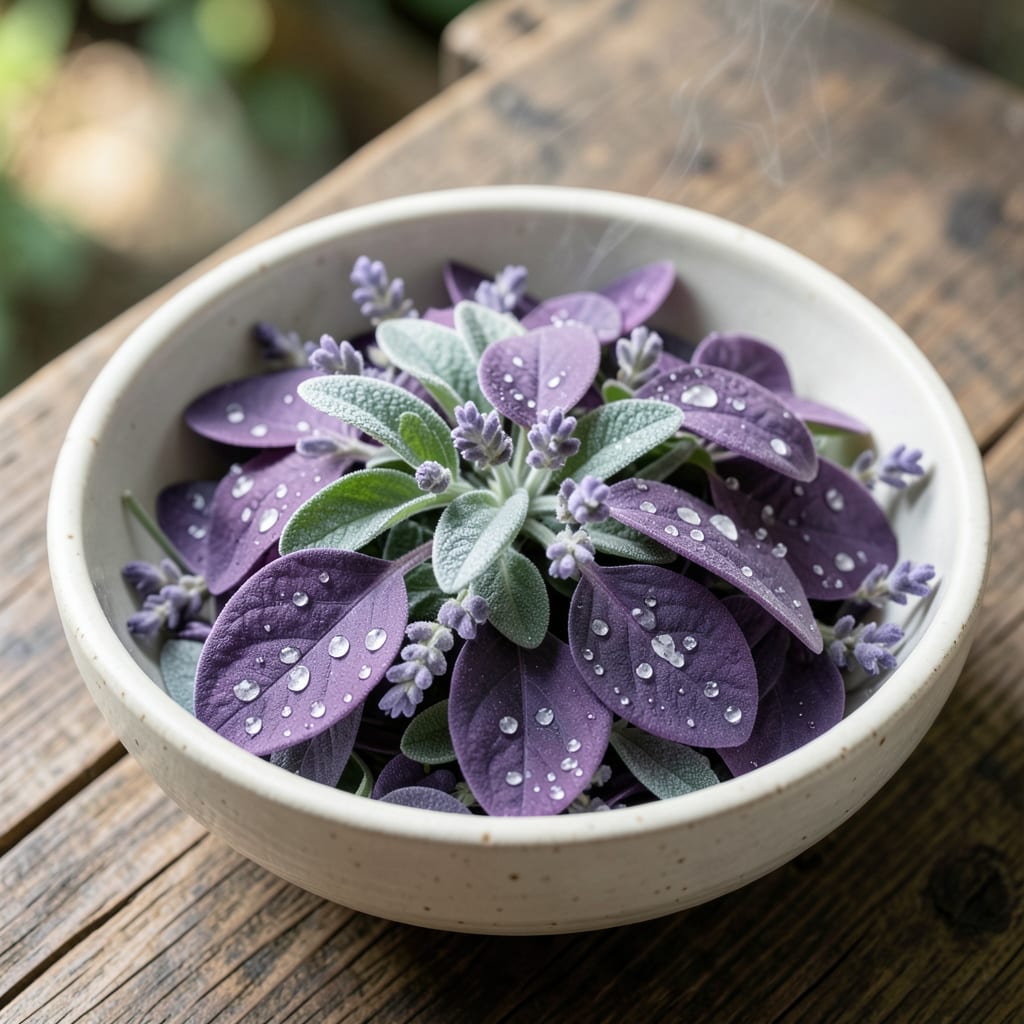
White spots on lavender shouldn’t be ignored. I’ve seen this issue wipe out entire plants when left untreated, but early action saves them every time.
These spots often signal fungal problems like powdery mildew, especially in humid conditions. Sometimes it’s pest damage or sun scorch, but the fix starts with proper diagnosis.
You’ll need to check leaf undersides, watering habits, and air circulation. The right treatment—neem oil, baking soda spray, or pruning—restores health within 2-3 weeks.
Prevention is simpler than cure: space plants properly, water at the base, and keep foliage dry. Your lavender can thrive again.
White spots on lavender leaves often signal underlying issues that disrupt the plant’s health. Below are the most common causes, explained with scientific precision to help you diagnose and address the problem effectively.
Fungi like Powdery Mildew (Leveillula taurica) or Alternaria thrive in humid, poorly ventilated conditions. These pathogens produce white, powdery or spotty growth on leaves as they colonize the surface, blocking sunlight and weakening the plant. Overhead watering and high humidity (above 60%) accelerate fungal sporulation.
Sap-sucking insects such as spider mites, whiteflies, or mealybugs leave behind sticky honeydew, which fosters sooty mold—a black or white fungal layer. Mealybugs, in particular, appear as cottony white clusters on stems and leaf undersides, directly creating spot-like deposits.
If you water lavender with hard water (high in calcium or magnesium), mineral residues can accumulate on leaves as white, chalky spots. This is especially common in container-grown lavender where water evaporates quickly, leaving deposits behind. While not harmful, it can mask early signs of disease.
Extreme temperature fluctuations or excessive shade can stress lavender, making it more susceptible to secondary infections. Heat stress may cause edema, where cells rupture and form white, blister-like spots. Poor air circulation in dense plantings also traps moisture, inviting fungal growth.
Tackling white spots on lavender starts with pinpointing the cause. Below are targeted fixes for the most common culprits, plus prevention tips to keep your plants thriving. 🌿
If powdery mildew or leaf spot fungi are to blame, remove heavily infected leaves first to stop the spread. Then, apply a copper-based fungicide or a homemade spray of 1 tsp baking soda + 1 quart water + a drop of dish soap. Spray weekly until spots fade.
Prevention: Space plants 2–3 feet apart for airflow, and water at the base to keep foliage dry. 💡 Avoid overhead watering in humid weather.
For spider mites or mealybugs, wipe leaves with a cotton swab dipped in rubbing alcohol to dislodge pests. For larger outbreaks, use neem oil spray (mix 2 tbsp oil + 1 gallon water) every 5–7 days until gone.
Prevention: Introduce beneficial insects like ladybugs, and inspect plants weekly for early signs. ✨
If soggy soil is the issue, stop watering immediately and let the top 1–2 inches of soil dry out. Trim any blackened, mushy roots to prevent rot. Repot in well-draining soil (mix in perlite or sand) and ensure pots have drainage holes.
Prevention: Water only when the soil feels dry to the touch, and use a moisture meter for accuracy. 🌡️
If spots appear after intense sun exposure, move potted lavender to partial shade (especially in peak afternoon hours). For in-ground plants, use shade cloth temporarily. New growth will replace damaged leaves.
Prevention: Acclimate plants gradually to full sun, and mulch around the base to retain moisture. 🎯
Yes, soggy soil can lead to fungal growth, which often appears as white patches. Always let the top 1-2 inches of soil dry out between waterings to prevent this.
Look for a white, powdery coating on leaves, often on the top surfaces first. It spreads quickly in humid conditions, so act fast with baking soda spray or neem oil.
Not usually. Without treatment, they often worsen and spread to other leaves. Remove affected foliage and apply the appropriate fix for the fastest recovery.
