
Beautiful Plants For Your Interior
Beautiful Plants For Your Interior
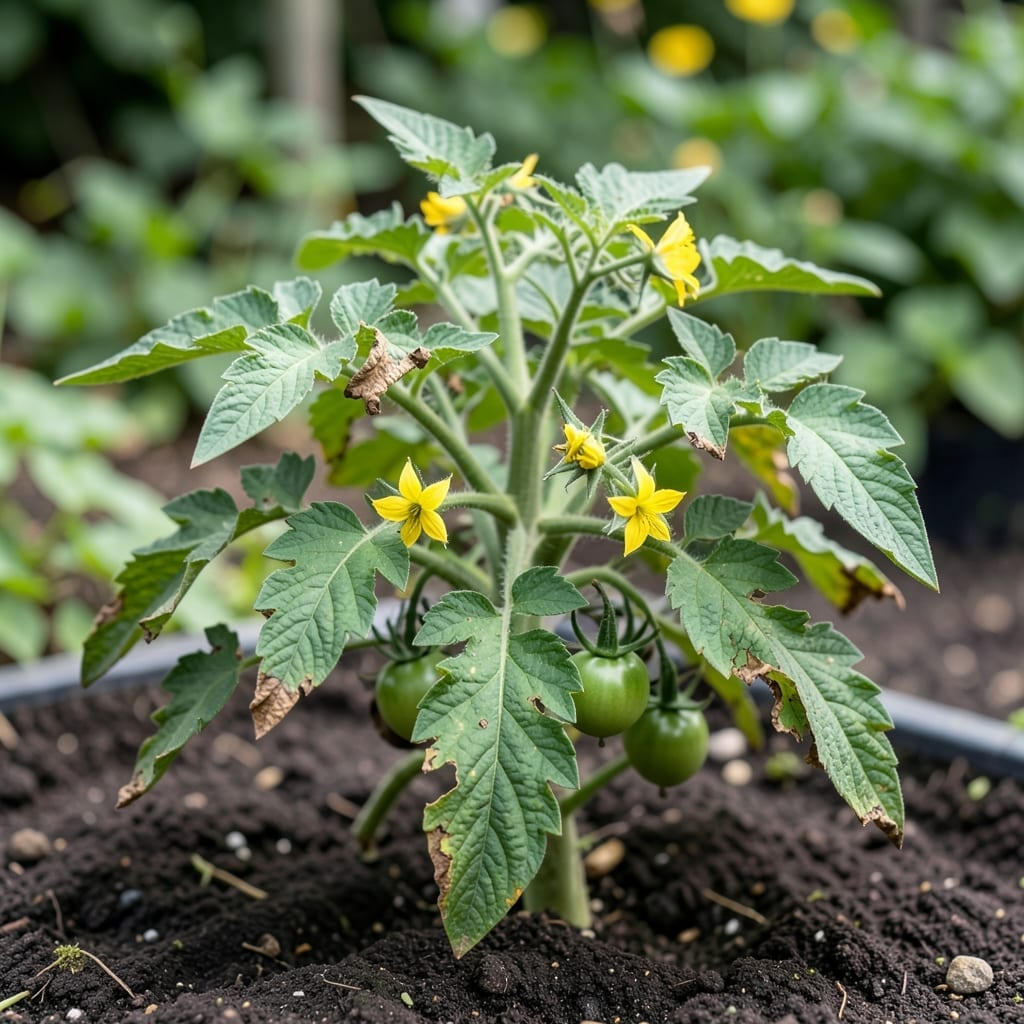
Crispy, downward-curling leaf tips are your houseplant’s way of sending an SOS. I’ve seen this happen to my spider plants and peace lilies more times than I’d like to admit.
Usually, it’s a simple fix—underwatering, low humidity, or too much direct sunlight. Sometimes, it’s a nutrient deficiency or pests, but those are less common. The good news? Your plant isn’t dead yet.
With the right adjustments, you’ll see new growth returning to its healthy, vibrant state within a few weeks. The key is identifying the cause quickly and acting fast.
No fancy tools required—just observation and a few tweaks to your care routine. Let’s get those leaves back to normal.
When your plant’s leaf tips start curling down and turning crispy, it’s usually a sign of stress. Here are the most common causes, explained simply with actionable fixes:
Too little water or too much disrupts a plant’s ability to absorb nutrients. Underwatering leads to dry, crispy tips as cells collapse from lack of moisture. Overwatering suffocates roots, preventing them from delivering water and oxygen upward. Check the soil: if it’s bone-dry or soggy, adjust your watering schedule.
Many houseplants, especially tropical species, thrive in 40-60% humidity. Dry air (common indoors) pulls moisture from leaves, causing edges to curl and brown. Solution: Group plants together, use a humidifier, or place a tray of water near heat sources.
Excess salts from fertilizers (or hard water) build up in soil, burning root tips and blocking water uptake. This often appears as brown, crispy leaf margins. Flush the soil with distilled water every few months to remove buildup.
Direct sunlight or hot drafts (e.g., near vents) can scorch leaves, leading to curling and dryness. Move plants away from intense light sources or use sheer curtains to diffuse harsh rays.
Spider mites and aphids suck sap from leaves, causing stress that manifests as curling and crispiness. Inspect undersides of leaves for webbing or tiny bugs, and treat with neem oil or insecticidal soap if found.
If your plant’s leaf tips are curling down and turning crispy, targeted fixes can restore its health. Below are solutions mapped to common causes, along with prevention tips to keep your greens thriving.
Soak the plant’s pot in a tub of room-temperature water for 10–15 minutes to rehydrate the root ball. Let excess water drain completely afterward. Prevention tip: Check soil moisture by inserting your finger an inch deep—water when the top layer feels dry. Use a moisture meter for precision. 🌡️
Move the plant to a spot with bright, indirect light or filter harsh sunlight with a sheer curtain. If using grow lights, increase the distance to 12–18 inches. Prevention tip: Rotate your plant weekly to ensure even light exposure. ✨
Mist the leaves lightly with water in the morning or place a pebble tray with water beneath the pot. For a long-term fix, use a humidifier near your plants. Prevention tip: Group humidity-loving plants together to create a microclimate. 💡
Flush the soil with distilled water to remove excess salts. Run water through the pot for 3–5 minutes, then let it drain. Pause fertilizing for 4–6 weeks to allow recovery. Prevention tip: Always dilute fertilizer to half-strength and follow a seasonal feeding schedule. 🎯
Wipe leaves with a damp cloth or spray with neem oil (mixed with water and a drop of dish soap) to eliminate pests like spider mites. Isolate the affected plant to prevent spreading. Prevention tip: Inspect leaves regularly and keep new plants in quarantine for a week. 🔍
Inspect leaves weekly for early signs of stress. Catching curling or crispiness early prevents permanent damage. Pay extra attention during seasonal changes or after moving plants.
Unfortunately, once tips are fully crispy, they won’t recover. Trim them with clean scissors to help the plant focus energy on healthy growth. New leaves will replace them with proper care.
Tropical plants like peace lilies and spider plants are especially prone due to their humidity needs. Succulents may also show curling from underwatering but rarely get crispy tips.
Maintain consistent watering, 40-60% humidity, and indirect light. Use a moisture meter and rotate plants regularly. Monthly soil flushing helps prevent salt buildup.