
Beautiful Plants For Your Interior
Beautiful Plants For Your Interior
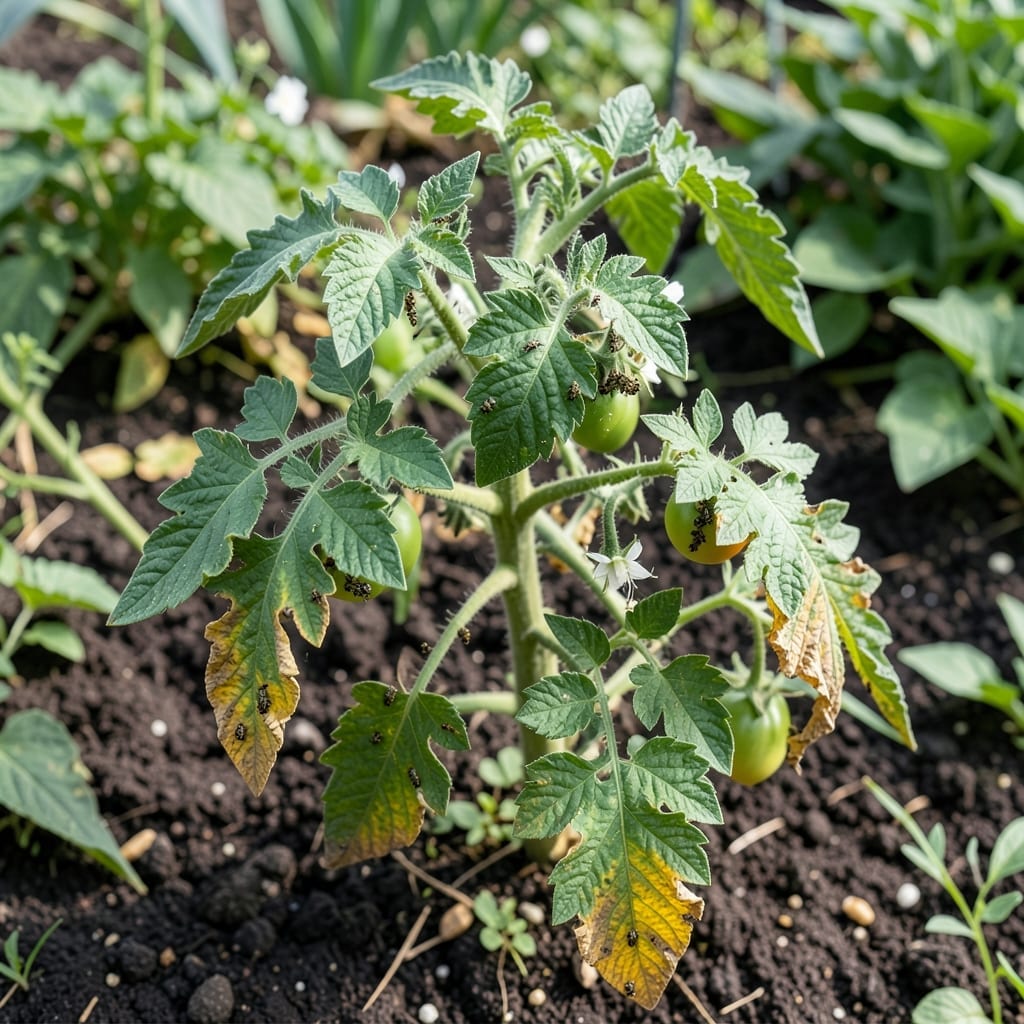
I first noticed the twisted leaves on my tomato plants last July. The edges curled under like tiny tacos, and I knew something was seriously wrong.
Leaf curl virus spreads fast through aphids and contaminated tools. It doesn’t just look bad—it stunts growth and slashes yields if left unchecked.
Early signs include yellowing, thickened leaves, and that telltale curling. The sooner you spot it, the better your chances of saving the plant and protecting the rest of your garden.
With the right approach, you can stop the spread and even nurse affected plants back to health. Here’s how to take action before it’s too late.
The leaf curl virus disrupts plant health through several well-documented pathways. Understanding these causes helps growers implement precise, preventative measures.
The primary cause is whitefly feeding. These tiny insects inject the virus into plant cells while feeding on sap. The Bemisia tabaci species is the most common vector. Once inside, the virus replicates, altering cellular function and triggering leaf distortion. Actionable tip: Use yellow sticky traps or introduce natural predators like Macrolophus pygmaeus to reduce whitefly populations.
Infected plants can spread the virus through mechanical transmission. Pruning tools, hands, or even rubbing leaves can transfer viral particles from diseased to healthy plants. The virus enters through microscopic wounds, hijacking the host’s machinery to produce viral proteins. Actionable tip: Sterilize tools with 10% bleach solution between uses and avoid working with wet foliage.
Using infected cuttings or seeds introduces the virus directly into new plantings. Many viruses, including those causing leaf curl, are systemic—they spread through the plant’s vascular system. Infected seedlings often show stunted growth and mottled leaves early on. Actionable tip: Source propagation material from certified disease-free suppliers and inspect young plants rigorously.
While not a direct cause, heat stress or poor nutrition weakens plant defenses, making them more susceptible to infection. Stressed plants produce fewer antiviral compounds, allowing the virus to spread unchecked. Actionable tip: Maintain balanced fertilization and provide shade cloth during peak heat to bolster plant resilience.
Once you’ve spotted leaf curl virus in your garden, acting fast is key. Below are targeted fixes for common causes, paired with prevention tips to keep your plants healthy long-term. 🌱✨
Uproot and destroy (do not compost) any plants showing severe symptoms like twisted, yellowing leaves or stunted growth. This prevents the virus from spreading to nearby plants. Sanitize your tools with rubbing alcohol after handling infected plants to avoid cross-contamination.
Aphids are the primary carriers of the virus. Introduce natural predators like ladybugs or lacewings, or use neem oil or insecticidal soap as a spray. Apply in the early morning or late evening for best results. Prevention tip: Use reflective mulch to disorient aphids and reduce their landing on plants. 💡
Remove fallen leaves, weeds, and plant debris from your garden, as these can harbor the virus. Disinfect pots, stakes, and garden tools regularly with a 10% bleach solution. Rotate crops annually to break the virus’s life cycle.
Strengthen plant resilience with balanced fertilization and proper watering. Avoid over-fertilizing with nitrogen, which attracts aphids. Use a slow-release, organic fertilizer to promote steady growth. Prevention tip: Plant virus-resistant varieties when available. 🎯
Always clean pruners, shears, and even your hands after touching infected plants. A quick dip in rubbing alcohol or a bleach solution (1 part bleach to 9 parts water) kills the virus on surfaces.
Pro tip: Monitor your garden weekly for early signs of trouble. Catching issues early makes treatment far easier! 🌡️
Look for curled, thickened leaves with yellowing or stunted growth. Early signs include distorted new growth and reduced fruit production. Inspect undersides of leaves for aphids, the primary carriers.
No, it cannot persist in soil alone. It requires living plant tissue or insect vectors to survive. However, infected plant debris left in soil can spread the disease. Always remove and destroy affected plants.
Use reflective mulch to deter aphids and remove weeds that attract them. Sterilize tools with 10% bleach solution between uses. Plant resistant varieties and rotate crops annually to break the virus cycle.
Pesticides help control aphids but won’t cure infected plants. Combine with removal of infected plants and sanitation practices. Natural predators like ladybugs can also reduce aphid populations effectively.