
Beautiful Plants For Your Interior
Beautiful Plants For Your Interior
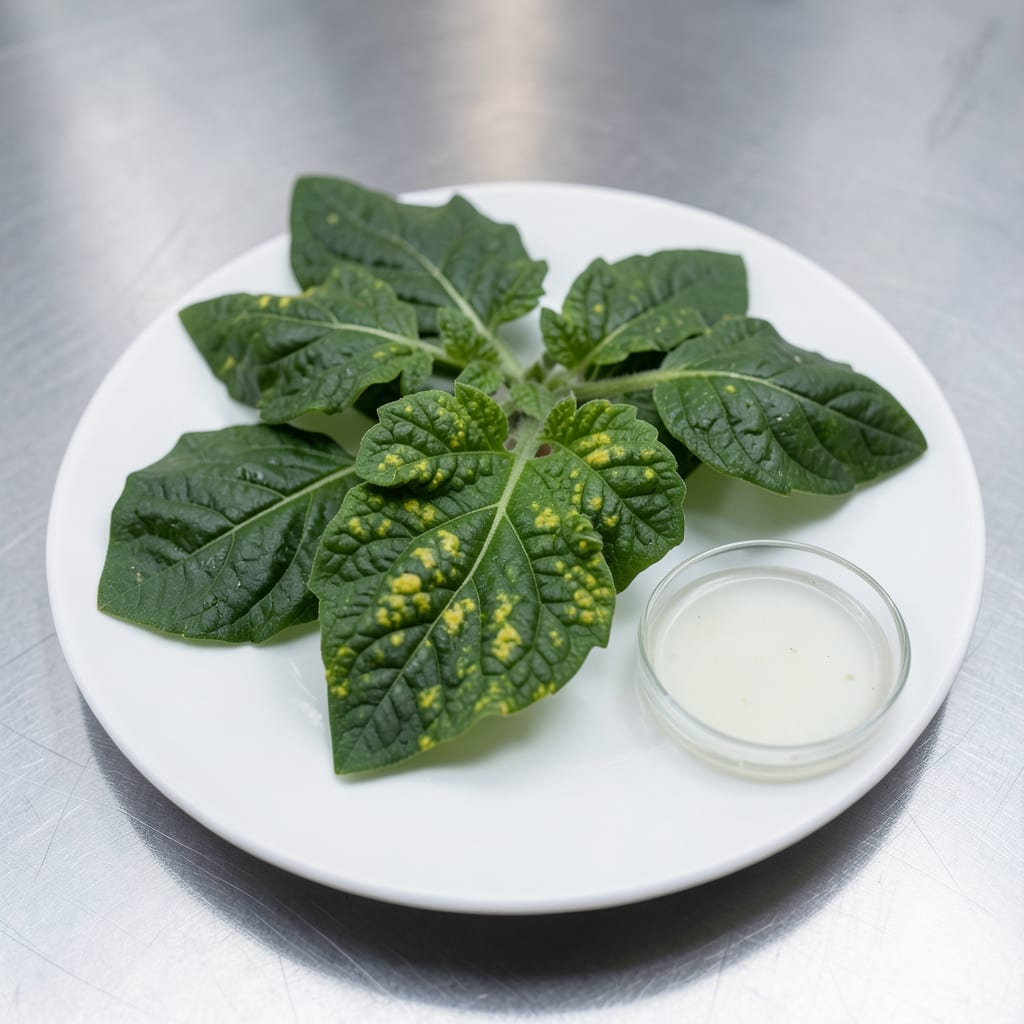
Yellowing leaves with upward curls caught my eye last season. This virus spreads fast through whiteflies, but early detection gives your tomatoes a fighting chance.
I lost half my crop before realizing the pattern—stunted growth, deformed fruits, and that telltale leaf curl. It’s heartbreaking, but there are ways to protect your plants and prevent next year’s outbreak.
Start with resistant varieties and keep whitefly populations in check. Remove infected plants immediately to stop the spread, and sanitize tools between uses.
With vigilance, you can save this year’s harvest and set up stronger defenses for seasons to come.
The tomato leaf curl New Delhi virus (ToLCNDV) spreads due to a mix of biological, environmental, and human factors. Understanding these causes helps farmers and gardeners take targeted action to prevent infection and limit damage. Below are the primary drivers behind its occurrence.
ToLCNDV is primarily spread by the silverleaf whitefly (Bemisia tabaci), which acquires the virus while feeding on infected plants. The insect then transmits it to healthy tomato plants during subsequent feedings. High whitefly populations in warm climates accelerate the virus’s spread, making early pest control critical.
Using contaminated seeds, seedlings, or grafting material introduces the virus directly into fields. ToLCNDV can survive in plant tissues, so sourcing certified disease-free material is essential. Even asymptomatic plants may carry the virus, emphasizing the need for rigorous testing.
Warm temperatures (75–90°F / 24–32°C) and high humidity create the perfect environment for both Bemisia tabaci reproduction and virus replication. These conditions speed up the virus’s life cycle, leading to rapid outbreaks in greenhouses or open fields during peak growing seasons.
Unintentional human actions, such as reusing contaminated tools, improper crop rotation, or overcrowding plants, can exacerbate the spread. Additionally, monoculture farming (growing only tomatoes) removes natural barriers, making it easier for the virus to jump between plants.
The tomato leaf curl New Delhi virus can be managed with targeted solutions. Below are practical fixes mapped to common causes, along with prevention tips to keep your plants healthy.
If you spot curled, yellowing leaves or stunted growth, uproot and destroy infected plants immediately. This prevents the virus from spreading to healthy crops. Burn or dispose of them in sealed bags—never compost, as the virus can persist.
Whiteflies are the primary carriers of this virus. Use yellow sticky traps to monitor and reduce their numbers. For severe infestations, apply neem oil or insecticidal soap weekly. Introduce natural predators like ladybugs or lacewings for long-term control.
Opt for tomato varieties bred for ToLCNDV resistance, such as Pusa Ruby or Hisar Lalit. Check with local agricultural extensions for region-specific recommendations. Rotate crops yearly to disrupt virus cycles in the soil.
The virus can linger on tools, stakes, and greenhouse surfaces. Disinfect pruners, gloves, and pots with a 10% bleach solution or rubbing alcohol between uses. Clean greenhouse benches and walls with soapy water to remove potential contaminants.
Consistency is key—early action saves crops and future harvests!
Under ideal conditions, whiteflies can transmit it within 48-72 hours of feeding. In warm, humid weather, an entire garden may show symptoms in 1-2 weeks if left unchecked.
Early symptoms include upward leaf curling and yellowing veins, followed by stunted growth. Young leaves may appear thickened or brittle. Act fast if you notice these changes.
No, the virus itself doesn’t persist in soil, but whitefly eggs can overwinter on plant debris. Remove all crop residue after harvest and rotate with non-host plants.
Neem oil and insecticidal soaps help control whiteflies, while resistant varieties like Pusa Ruby reduce infection risk. Yellow sticky traps also monitor pest populations effectively.
