
Beautiful Plants For Your Interior
Beautiful Plants For Your Interior
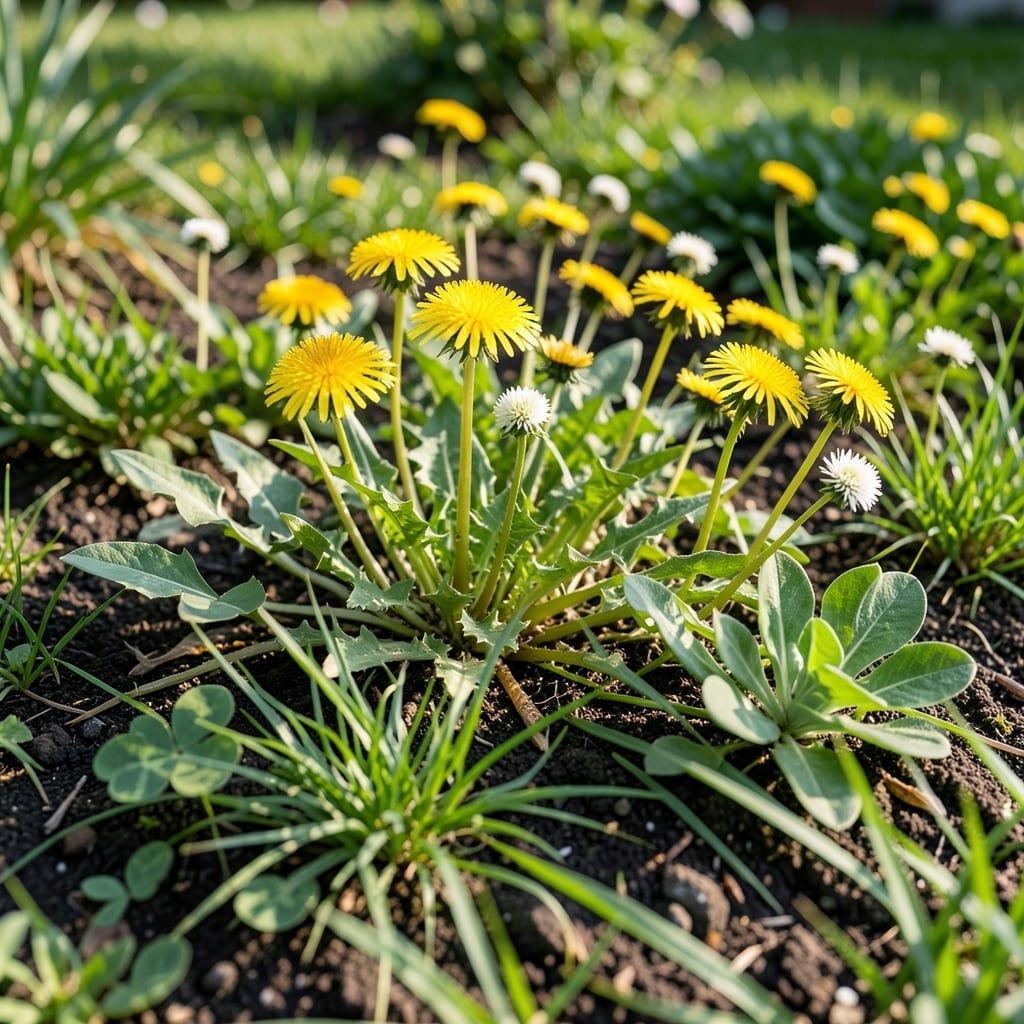
California lawns fight a constant battle against crabgrass, dandelions, and clover. I’ve spent years refining a system that works with our unique climate, not against it.
These weeds thrive in thin, weak turf. The solution starts with proper mowing height, 3-4 inches for most grasses, which shades out germinating weeds before they take hold.
For existing problems, spot treatments with vinegar or targeted herbicides work, but prevention through thick, healthy turf is the real game-changer. Spring and fall are your best windows.
Whether you’re in coastal fog or inland heat, the principles stay the same. Consistent care beats occasional overhauls every time.
California’s unique climate and lawn care habits create the perfect storm for weed proliferation. Understanding the root causes helps you tackle the issue at its source. Here’s why your lawn might be a weed magnet:
Frequent foot traffic, heavy equipment, or even aggressive aeration can disrupt soil structure, creating bare spots where weeds thrive. Compacted soil restricts grass roots from accessing water and nutrients, leaving gaps for opportunistic weeds like crabgrass or dandelions to move in. California’s dry summers exacerbate this, as hard-packed soil resists water penetration, stressing your grass further.
Overwatering or inconsistent irrigation encourages shallow root systems in grass, making it weaker and less competitive. In California’s Mediterranean climate, light, frequent watering promotes weed seeds (e.g., clover or purslane) to germinate near the surface. Conversely, underwatering stresses turf, leaving it vulnerable to drought-tolerant weeds like spotted spurge.
California’s mild winters and warm, dry summers allow year-round weed growth. Cool-season weeds (e.g., chickweed) sprout in winter, while warm-season invaders (e.g., goosegrass) dominate in summer. The state’s microclimates—from coastal fog to inland heat—also mean weeds adapt quickly, outcompeting less resilient grass species.
Soil deficiencies (e.g., low nitrogen) or excessive fertilizer use can skew grass health. Weeds like nutsedge or plantain flourish in nutrient-poor or overly enriched soils. A soil test (recommended annually in CA) reveals pH and nutrient levels, helping you adjust amendments precisely.
Using non-native or ill-suited grass varieties (e.g., Kentucky bluegrass in drought-prone areas) weakens your lawn’s defenses. California-friendly grasses like Bermuda or fescue blends resist weeds better when matched to local conditions. Always choose drought-tolerant, region-adapted species for long-term resilience.
Tackling lawn weeds in California starts with identifying the issue and applying the right fix. Below are practical solutions tailored to common weed types and causes, along with prevention tips to keep your yard pristine.
For dandelions, clover, or plantain, use a selective herbicide labeled for broadleaf weeds. Apply directly to the leaves on a calm, dry day to avoid drift. For organic options, a mix of vinegar, dish soap, and water can work—just be cautious, as it may harm surrounding grass.
Prevention tip: 💡 Mow high (3–4 inches) to shade the soil and block weed seeds from germinating.
Apply a pre-emergent herbicide in early spring before soil temps hit 55°F (typically February–March in most of California). This creates a barrier that stops weed seeds from sprouting. For existing patches, use a post-emergent herbicide labeled for grassy weeds.
Prevention tip: 🎯 Overseed bare spots in fall to outcompete weeds with dense grass.
These aggressive spreaders require persistence. Hand-pull or dig out roots, ensuring no fragments remain. For large areas, smother with thick mulch or cardboard for 4–6 weeks. In lawns, a broadleaf herbicide may be needed for stubborn patches.
Prevention tip: ✨ Improve drainage—these weeds thrive in damp, shaded areas.
Weeds often invade weak, thin turf. Deep-water your lawn 1–2 times per week (1 inch total) to encourage deep roots. Aerate compacted soil in spring or fall to improve water and nutrient absorption.
Prevention tip: 🌡️ Choose drought-tolerant grass like Bermuda or Zoysia for California’s climate.
For hazardous weeds like poison oak or invasive species, hire a licensed pest control expert. They’ll use targeted treatments and protective gear to safely remove the threat without harming your lawn or health.
Prevention tip: 🔥 Inspect new plants or soil before introducing them to your yard.
Apply a pre-emergent herbicide in early spring before soil reaches 55°F. This typically falls between February and March in California. Follow up by overseeding bare spots in fall to crowd out weeds.
A mix of vinegar, dish soap, and water works as a spot treatment. Apply directly to leaves on a sunny day, but avoid spraying nearby grass. For best results, pull roots entirely to prevent regrowth.
Thin or stressed turf leaves space for weeds to return. Maintain a mowing height of 3-4 inches and water deeply 1-2 times per week to strengthen grass. Aerate compacted soil annually for better root growth.