
Beautiful Plants For Your Interior
Beautiful Plants For Your Interior
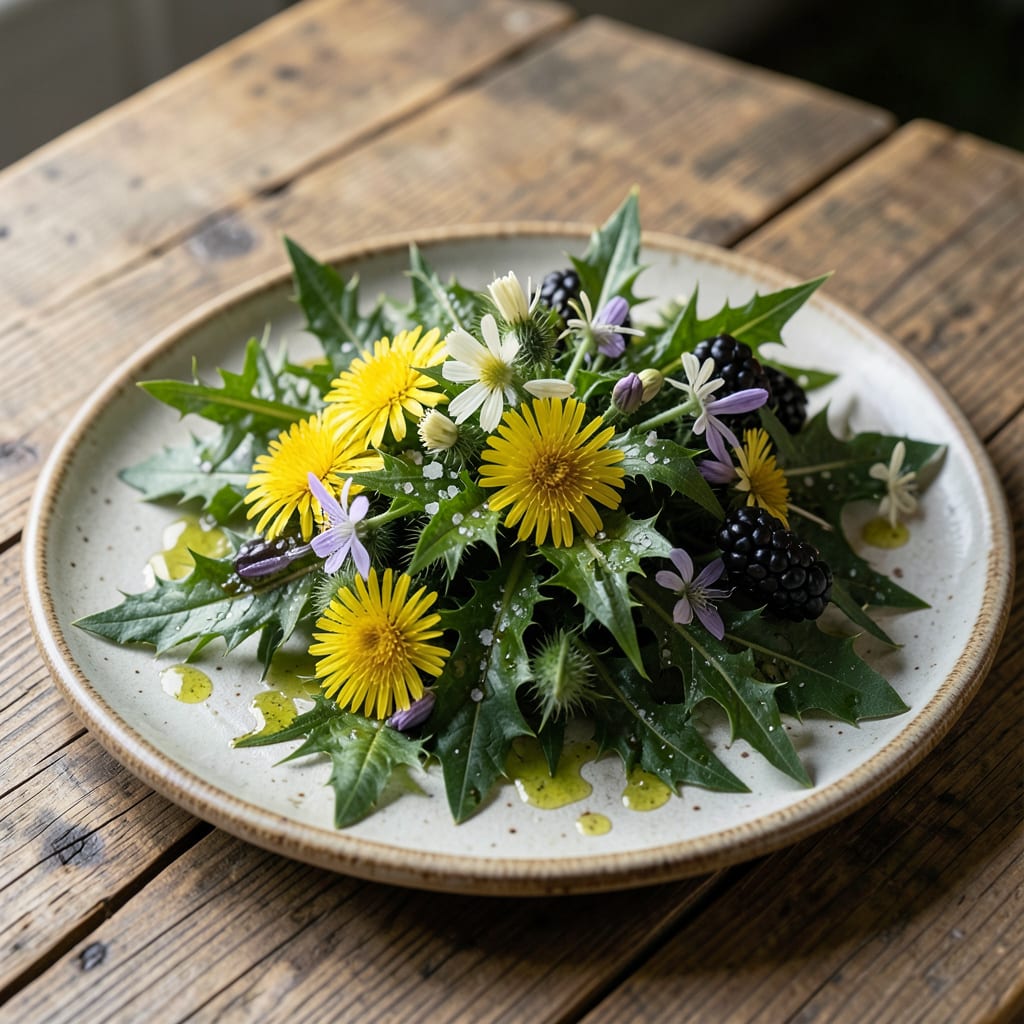
Those jagged invaders aren’t just unsightly—they’ll slice your hands and steal nutrients from your prized plants. I learned the hard way that sharp-leafed weeds spread faster than you’d expect.
Here’s the thing—identifying them early is half the battle. Once you spot the spiny edges, you can remove them safely before they take over. The right tools and timing make all the difference.
📚 In This Guide
Here’s the method I use to spot and eliminate these prickly invaders without the usual frustration.
First, examine the leaf shape and edge carefully. Many sharp-leaved weeds have serrated or spined margins—thistles often show deep lobes with stiff bristles, while blackberry nightshade has triangular leaves with pointed tips. Look for distinctive features like the rosette pattern of dandelions or the upright growth of sow thistle.
Check the stem too. Some, like stinging nettle, have fine hairs that cause irritation, while others, like puncturevine, have thorns along the stem. I always wear thick gloves for this step—even handling the plant briefly can leave skin red and itchy.
Tackle these weeds when the soil is slightly moist—after a light rain or watering session is ideal. Dry soil makes roots brittle, causing them to break off and regrow. Early morning or late afternoon works best to avoid the heat of the day and reduce stress on nearby plants.
For annuals like prickly lettuce, removal before they flower prevents seed spread. Perennials like Canada thistle require persistence—early spring or late fall is when roots are most vulnerable, storing energy for growth or dormancy.
Grab a sturdy trowel or weeding knife to dig deep and remove the entire root system. A hori-hori knife works especially well for taproots. Angle the tool to leverage the root out gently—pulling straight up often snaps the root, leaving the lower portion to regenerate.
For large infestations, a garden fork helps loosen the soil around the base. I’ve found that twisting the fork slightly as I lift helps dislodge stubborn roots. Always inspect the hole afterward—any remaining root fragments can sprout anew.
Never compost weeds with sharp leaves or those that have gone to seed. The heat in most home compost piles isn’t sufficient to kill seeds or root fragments. Instead, bag them for yard waste pickup or burn them if local regulations allow.
If you’re dealing with thistles or other spiny plants, shake the soil off the roots before bagging to reduce weight and prevent punctures. I double-bag particularly thorny weeds to avoid tearing the garbage bag and creating a mess.
After removal, cover the area with 2-3 inches of mulch to suppress new growth. Straw, wood chips, or cardboard work well. This blocks light and makes it harder for any missed root fragments to resprout.
Monitor the site weekly for the first month. New sprouts often appear quickly, especially if any root pieces remained. Pull these immediately—they’re much easier to remove when young and small.
These practical insights will help you remove sharp-leaved weeds more effectively while avoiding common pitfalls.
Safety First: Always wear thick gloves during Step 1 when examining plants. Even brief contact with stinging nettle or thistles can cause skin irritation. I learned this the hard way after handling puncturevine without protection.
Timing Matters: Step 2 emphasizes tackling weeds when soil is slightly moist. This is crucial—dry soil makes roots break easily, leading to regrowth. Early morning or late afternoon also helps you avoid the midday heat while working.
Technique Tip: In Step 3, angle your trowel or weeding knife to leverage roots out gently. Pulling straight up often snaps taproots, leaving fragments that will regenerate. For large infestations, twisting a garden fork as you lift helps dislodge stubborn root systems.
Prevention Strategy: Don’t skip Step 5’s mulching advice. Those 2-3 inches of mulch make a significant difference in suppressing new growth. I’ve found straw works particularly well for this, as it blocks light effectively while allowing water to penetrate.
Use thick gloves, long sleeves, and pruning shears to avoid cuts. Pull weeds from the root when the soil is moist for easier removal. Dispose of them in sealed bags to prevent regrowth.
Early spring or late fall is ideal, as weeds are less aggressive. Remove them before they seed to prevent spreading. Consistent removal weakens their growth over time.
Yes! Boiling water, vinegar, or a mix of dish soap and water can kill weeds naturally. Apply directly to the leaves, but avoid surrounding plants, as these can harm them too.
They often regrow from leftover roots or seeds in the soil. Ensure full root removal and apply mulch to block sunlight. Regularly check your garden to catch new growth early.
