
Beautiful Plants For Your Interior
Beautiful Plants For Your Interior
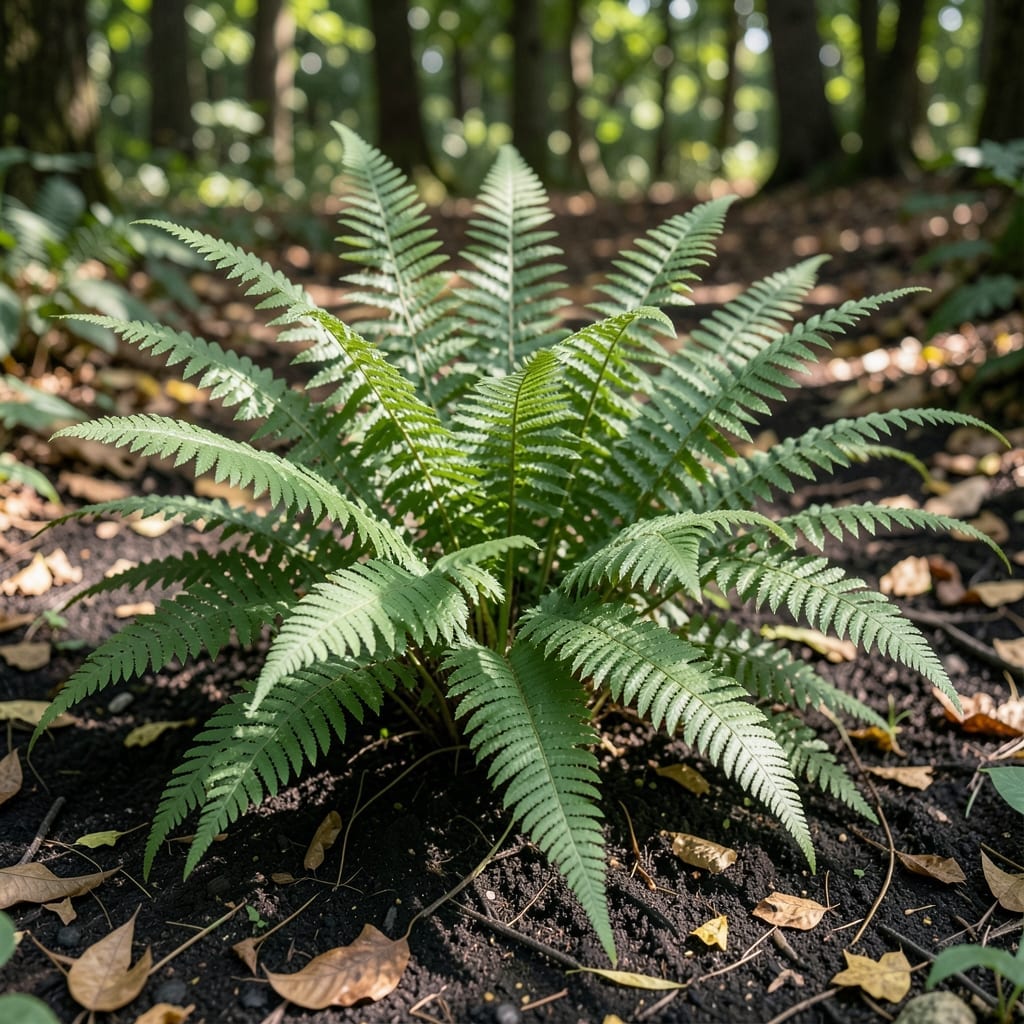
There’s something magical about watching a large fern unfurl its first fronds. I’ve turned my shady corners into lush green escapes with just a few key tricks.
These plants thrive with consistent moisture and rich soil, but don’t drown them. With the right spot and care, you’ll have vibrant foliage that makes your garden look like a prehistoric jungle.
📚 In This Guide
Here’s the method I use to help ferns produce those stunning, lush fronds every time.
Not all ferns grow large leaves naturally, so start with varieties known for impressive fronds. I’ve had great success with ostrich ferns, which produce fronds that can reach 4-6 feet tall under ideal conditions. Cinnamon ferns and royal ferns also deliver impressive size with the right care.
Check the mature size listed on the plant tag or in the catalog description. If it mentions 3-5 feet or taller, you’re on the right track. Avoid delicate varieties like maidenhair ferns if your goal is bold, large foliage.
Ferns thrive in soil that stays consistently moist but never waterlogged. I mix 50% compost into the planting area to create a rich, organic base that retains moisture while allowing good drainage. The compost also provides the nutrients ferns need to produce large, healthy fronds.
Dig a hole twice as wide as the root ball and just as deep. Place the fern in the hole, ensuring the crown sits slightly above soil level to prevent rot. Water thoroughly after planting to settle the soil and eliminate air pockets around the roots.
Large fern leaves require steady moisture, especially during the growing season. I water my ferns deeply 2-3 times per week, adjusting based on rainfall. The goal is to keep the soil evenly moist—not soggy, but never dry to the touch.
A 2-3 inch layer of mulch around the base helps retain moisture and keeps the soil temperature stable. Use organic mulch like shredded bark or leaf mold, which breaks down over time and adds nutrients to the soil.
Most ferns prefer partial to full shade, but large-leaf varieties often tolerate a bit more light if the soil stays moist. I plant mine in a spot that gets dappled sunlight or morning sun with afternoon shade. Too much direct sun can scorch the fronds, especially in hotter climates.
If your garden lacks natural shade, consider planting ferns under taller trees or on the north side of a building. You can also use shade cloth to filter the light if needed. Watch for signs of stress, like brown or crispy fronds, which often indicate too much sun or not enough water.
To encourage large fronds, I fertilize my ferns lightly in early spring with a balanced, slow-release fertilizer. Follow the package instructions, but err on the side of less rather than more—ferns don’t need heavy feeding. Over-fertilizing can lead to leggy growth or burned roots.
I also top-dress the soil with compost in mid-summer to give the ferns a nutrient boost during their peak growing period. This helps sustain the energy needed to produce those impressive, large leaves. Stop fertilizing by late summer to allow the plant to prepare for dormancy.
These practical insights will help you avoid common pitfalls and grow thriving ferns.
Location Success: In Step 1, don’t underestimate the importance of shade testing. I use my phone’s light meter app to track sun exposure throughout the day. Even what seems like light shade can become harsh afternoon sun that scorches those delicate fronds. Trust me, I learned this the hard way after losing three ferns to sunburn.
Soil Preparation Tip: For Step 2, when working in that 2-3 inches of compost into the top 6-8 inches of soil, make sure it’s well-aged compost. Fresh compost can be too hot and may burn your fern’s roots. I also recommend testing the pH as mentioned—ferns really do need that 6.0-7.0 range to absorb nutrients properly.
Planting Depth Matters: In Step 3, pay special attention to the crown placement. I’ve seen many gardeners bury the crown too deep, thinking it will stabilize the plant, but this almost always leads to rot. The crown should sit just above soil level, like a little green island in a sea of dirt.
Watering Wisdom: For Step 4, that 2-3 times per week watering schedule works perfectly in most climates, but watch your plants, not the calendar. Ferns will tell you when they’re thirsty—they wilt dramatically but perk up quickly after watering. If you notice this happening between scheduled waterings, don’t hesitate to give them an extra drink.
Keep the soil moist but well-drained, provide indirect light, and maintain high humidity. Fertilize lightly during the growing season and trim brown fronds to encourage new growth.
Brown leaves often indicate low humidity, underwatering, or too much direct sunlight. Check soil moisture, mist regularly, and move the plant to a shadier spot if needed.
Yes! Choose a bright, indirect light spot (like a north-facing window) and ensure consistent moisture. Varieties like Boston or bird’s nest ferns thrive indoors with proper care.
Water when the top inch of soil feels dry—typically every 3-7 days, depending on humidity and light. Avoid soggy soil to prevent root rot.
Try hostas, astilbes, or lungwort for similar lush foliage. These require less moisture and still provide vibrant greenery in shady areas.