
Beautiful Plants For Your Interior
Beautiful Plants For Your Interior
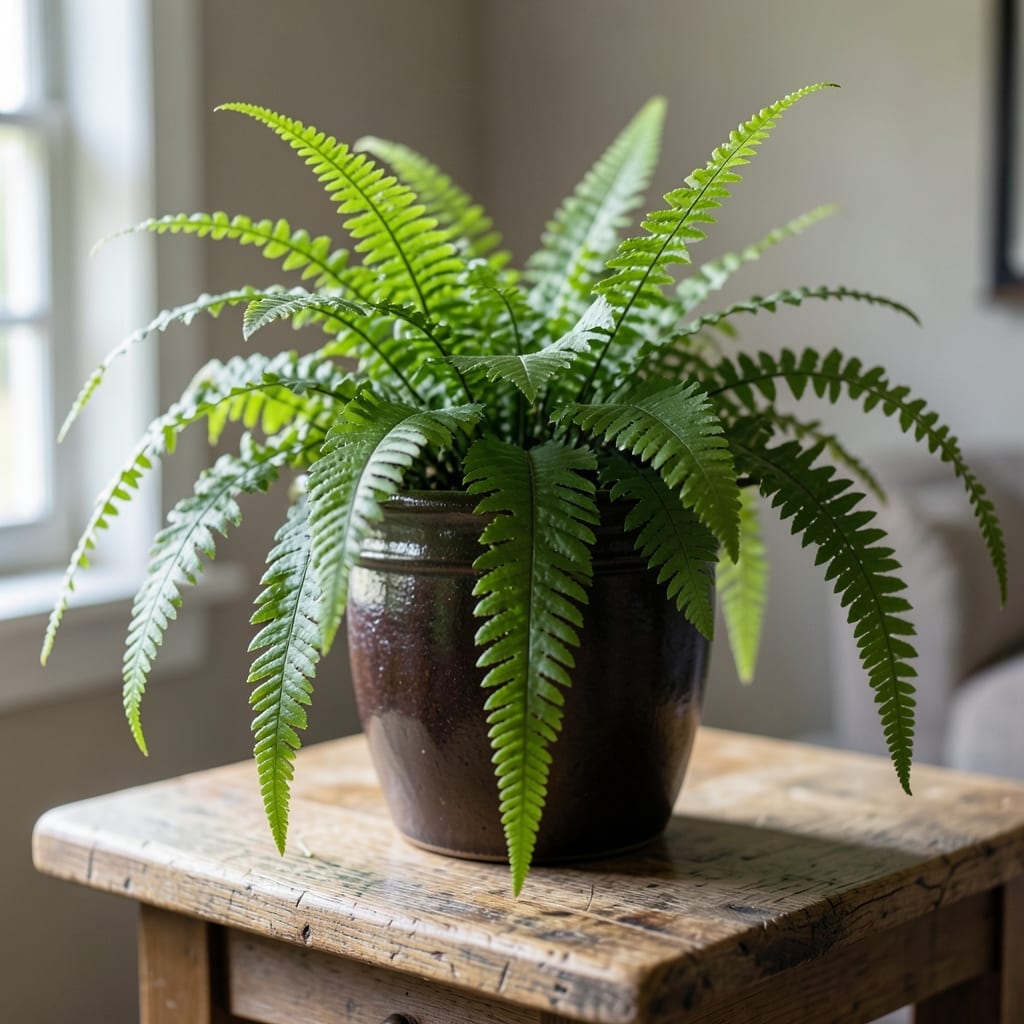
Boston ferns are beloved for their lush, feathery fronds, but getting their light requirements right is the key to keeping them thriving. Many gardeners struggle with yellowing leaves or stunted growth simply because they’ve placed their 🌿 Boston Fern in the wrong spot.
You might think all plants need plenty of sun, but this beauty has different needs. The wrong light exposure can leave your fern looking sad and lackluster instead of vibrant and full.
I’ve learned through trial and error exactly what works best for these plants. The good news? It’s easier than you might think to create the perfect environment.
Discover the simple adjustments that will transform your Boston Fern from surviving to absolutely thriving in your space.
 Best Window Placement
If you’ve ever wondered do Boston ferns like sun or shade, the answer is clear: they thrive in bright, indirect light. These lush plants prefer the dappled shade of a forest floor, not the harsh direct sunlight that can scorch their delicate fronds.
I’ve found that 2-4 hours of morning sun works perfectly, while intense afternoon rays often lead to brown, crispy leaves. Too little light, however, results in sparse, leggy growth as the fern stretches for more.
| Specification | |
|---|---|
| Ideal Light | Bright indirect or dappled shade |
| Direct Sun Tolerance | Low (1-2 hours max) |
| Shade Tolerance | High (full shade okay) |
| Best Window | East or west-facing |
| Outdoor Placement | Under tall trees or north side |
In my experience, east-facing windows are ideal for indoor Boston ferns. They provide gentle morning light without the intensity of midday sun. West-facing windows can work too, but I always use a sheer curtain to filter the light.
For outdoor ferns, I recommend shady spots under large trees or along north-facing walls. These locations mimic their natural habitat and protect them from sunburn. If you must place them in sunnier areas, ensure they get shade during the hottest part of the day.
The key is consistency. Boston ferns don’t like sudden changes in light levels. If you’re moving your plant from indoors to outdoors, do it gradually over a week to prevent shock and frond damage.
I’ve noticed that ferns in too much shade grow slower but stay healthier than those in too much sun. If your fern’s growth seems stunted, try moving it to a slightly brighter spot—but avoid direct sunlight at all costs.
Remember that humidity plays a role too. In brighter locations, increase humidity with a pebble tray or mister to compensate for the drier conditions. This helps prevent the leaf tips from turning brown.
For the best results, rotate your potted Boston fern every few weeks. This ensures all sides receive equal light exposure, leading to even, lush growth and a fuller appearance.
🌿If your Boston fern looks unhappy, light is often the culprit. Yellowing fronds usually mean too much direct sun, while leggy growth signals insufficient light. These visual cues help me adjust placement quickly.
Brown tips or crispy edges can also indicate sunburn, especially if the plant sits in hot afternoon light. On the flip side, sparse fronds and slow growth often mean the fern needs brighter indirect light.
I’ve found that morning sun is gentler and less likely to scorch fronds. If your fern is outdoors, dappled shade under a tree works wonders. Indoors, a sheer curtain can filter harsh light beautifully.
Another telltale sign is leaf drop. If your fern sheds fronds frequently, it might be stressed by light or humidity changes. I always check the soil moisture too, as dry roots can mimic light issues.
For potted ferns, I rotate them quarter-turn weekly to ensure even light exposure. This prevents lopsided growth and keeps fronds full. A simple trick, but it makes a big difference.
Remember, Boston ferns thrive in bright, indirect light with some humidity. If you notice any of these signs, adjust the location and monitor for improvement within 1-2 weeks. 🌿