
Beautiful Plants For Your Interior
Beautiful Plants For Your Interior
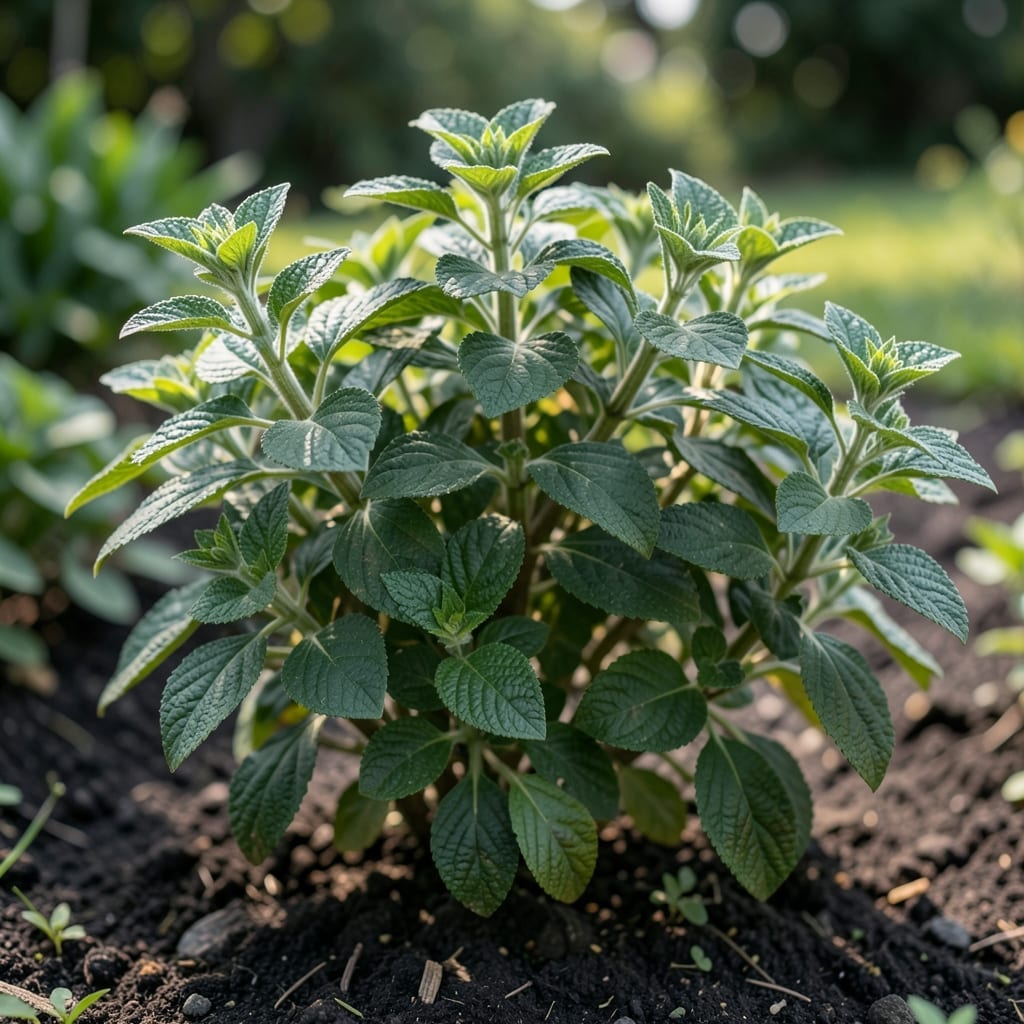
My lantana sat there leafy and green for months—no flowers in sight. 🌱 Turns out, this tough plant has specific needs when it comes to blooming, and most of us accidentally deprive it of exactly what it wants.
Full sun is non-negotiable; anything less than 6-8 hours daily and it focuses on foliage instead of flowers. Pruning matters too—cutting it back at the wrong time can delay blooms for weeks.
I fixed mine with two simple adjustments: more sunlight exposure and a light trim after the first flush of flowers. The transformation was shocking—suddenly, clusters of vibrant blooms everywhere.
Whether yours is new or established, these tweaks work fast. You’ll see the first color returning within 2-3 weeks of making the right changes.
Lantana’s vibrant blooms can fade or fail to appear due to several key factors. Below are the most common causes, explained with clear, actionable insights.
Lantana thrives in full sun (6+ hours of direct sunlight daily). Without enough light, the plant conserves energy by reducing flower production. Shade from trees, buildings, or even nearby plants can block critical rays. Action: Relocate potted lantana to a sunnier spot or trim back obstructions for in-ground plants.
Too much water or soggy soil suffocates roots, stressing the plant and halting blooms. Lantana prefers well-draining soil and drought-like conditions between waterings. Action: Let the top 1–2 inches of soil dry out before watering again, and ensure pots have drainage holes.
Pruning at the wrong time (e.g., late fall or winter) can remove flower buds before they bloom. Lantana blooms on new growth, so heavy pruning in spring may delay flowers. Action: Prune lightly in early spring to shape the plant, and deadhead spent blooms to encourage continuous flowering.
Lantana is sensitive to cold. Temperatures below 50°F (10°C) can stall growth and flowering. Even cool nights in early summer may delay blooms. Action: In cooler climates, plant lantana in containers to move indoors during cold snaps or wait until nighttime temps rise above 55°F (13°C) to plant.
Excess nitrogen (from high-nitrogen fertilizers) promotes leafy growth at the expense of flowers. Lantana benefits from a balanced fertilizer (e.g., 10-10-10) or one higher in phosphorus (the middle number) to boost blooms. Action: Use a bloom-boosting fertilizer every 4–6 weeks during the growing season.
If your lantana isn’t blooming, don’t worry—there are simple fixes for every common cause. Here’s how to revive your plant and encourage vibrant flowers.
Lantanas thrive in full sun (6+ hours daily). If yours is in shade, move it to a sunnier spot. For garden plants, trim nearby trees or shrubs blocking light. Prevention tip: 💡 Plant new lantanas in the sunniest part of your yard from the start.
Prune back one-third of the plant in early spring or after the first bloom cycle to stimulate new growth. Use clean shears and cut just above a leaf node. Prevention tip: ✨ Deadhead spent blooms regularly to redirect energy to new flowers.
Lantanas are drought-tolerant. If the soil stays soggy, reduce watering to once every 1-2 weeks (less in humid climates). Ensure pots have drainage holes. Prevention tip: 🌡️ Stick your finger 2 inches into the soil—water only if dry.
Mix in compost or sand to improve drainage. Use a balanced, low-phosphorus fertilizer (10-10-10) monthly during growing season. Avoid high-nitrogen mixes—they promote leaves, not blooms. Prevention tip: 🎯 Test soil pH; lantanas prefer slightly acidic to neutral (6.0–7.0).
Check for aphids, whiteflies, or powdery mildew. Spray with neem oil or insecticidal soap at dusk. Remove heavily infested stems. Prevention tip: 🌿 Space plants for airflow and avoid overhead watering.
With these tweaks, your lantana should rebound with bold, colorful blooms in no time!
Lantana requires 6-8 hours of direct sunlight each day for optimal blooming. Without this, it focuses on foliage instead of flowers. Place it in the sunniest spot possible.
Prune lightly in early spring or after the first flush of flowers. Avoid heavy pruning in late fall or winter, as this can remove budding blooms.
Use a balanced fertilizer like 10-10-10 or one higher in phosphorus. Avoid high-nitrogen options, as they promote leafy growth over flowers.
Yes! Temperatures below 50°F (10°C) can stall growth and flowering. Wait until nighttime temps rise above 55°F (13°C) before planting.