
Beautiful Plants For Your Interior
Beautiful Plants For Your Interior
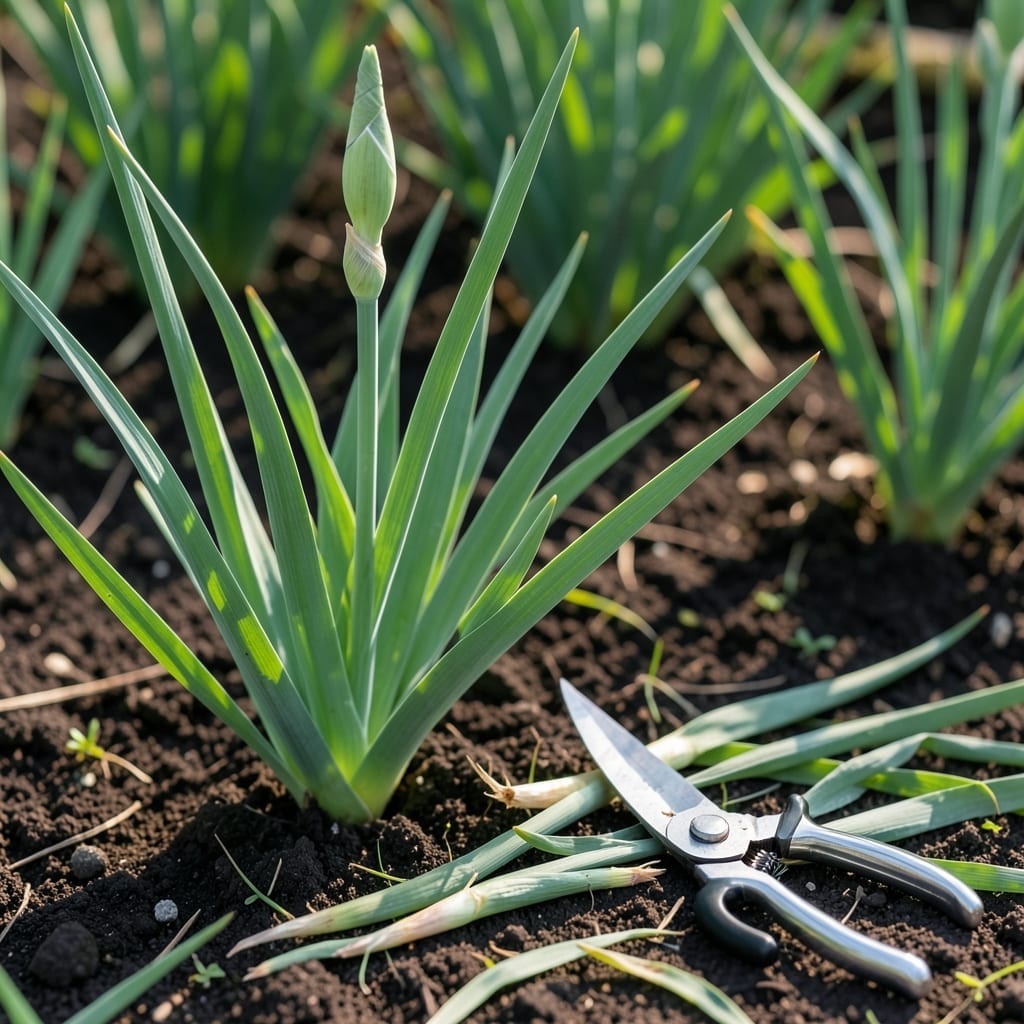
Trimming Iris 🌸 at the right time is the secret to vibrant blooms and healthy plants year after year. Miss the window, and you risk weak growth or no flowers at all.
I’ve learned that proper timing makes all the difference for these summer beauties. Whether you’re a seasoned gardener or just starting out, knowing when to prune can transform your garden.
Discover the best seasonal approach to keep your Iris thriving. Let’s explore how to time your cuts for maximum impact and beautiful results.
Timing is everything when it comes to trimming irises. I always wait until after they’ve finished blooming, usually in late summer, to give them the best chance to thrive next season.
Cutting back too early can weaken the rhizomes, which store energy for future growth. July through September is the sweet spot for most gardeners, but climate plays a role too.
| Stage | Action | Timing |
|---|---|---|
| Post-Bloom | Remove spent flowers | Immediately after blooming |
| Late Summer | Trim foliage to 6 inches | August-September |
| Fall Cleanup | Cut back dead leaves | October (if needed) |
| Winter Prep | Leave healthy foliage | Until first frost |
Avoid trimming during active growth in spring. This is when irises are building energy for their spectacular summer blooms, and cutting them back can stunt their development.
In USDA Zone 6 and similar climates, I’ve found that August is ideal for major pruning. The plants have stored enough energy, and the weather is still warm enough to help them recover.
If you live in a warmer climate, you might push this to September. Cooler areas may need to start in late July to beat the first frost.
Remember, the goal is to remove dead or yellowing leaves while preserving enough green foliage to feed the rhizomes. This balances aesthetics and plant health perfectly.
After trimming, I always clean up debris around the base to prevent pests and diseases. A little maintenance now means bigger, healthier blooms next year.
Finally, resist the urge to cut back healthy green leaves too early. They’re still working hard to photosynthesize and store energy for next season’s show.
With the right timing, your irises will reward you with vibrant, abundant flowers year after year ✂️🌸
Pruning irises properly keeps them healthy and encourages bigger blooms next season. I always start by removing spent flower stalks right after they finish blooming to prevent seed formation.
For the foliage, wait until late summer when the leaves begin to yellow. This is when the rhizomes have stored enough energy for next year’s growth.
I use bypass pruners for a clean cut, and I
When trimming the leaves, I cut at a 45-degree angle to prevent water from pooling on the cut ends. This reduces the risk of rot setting in and keeps the rhizomes healthy.
After pruning, I inspect the base of the plant for any signs of pests or disease. Early detection means I can treat issues before they spread to the rest of my garden.
Finally, I water lightly after trimming to help the plant recover. Avoid overwatering, as soggy soil can lead to rhizome rot. With these steps, your irises will stay vibrant and disease-free ✂️🌸