
Beautiful Plants For Your Interior
Beautiful Plants For Your Interior
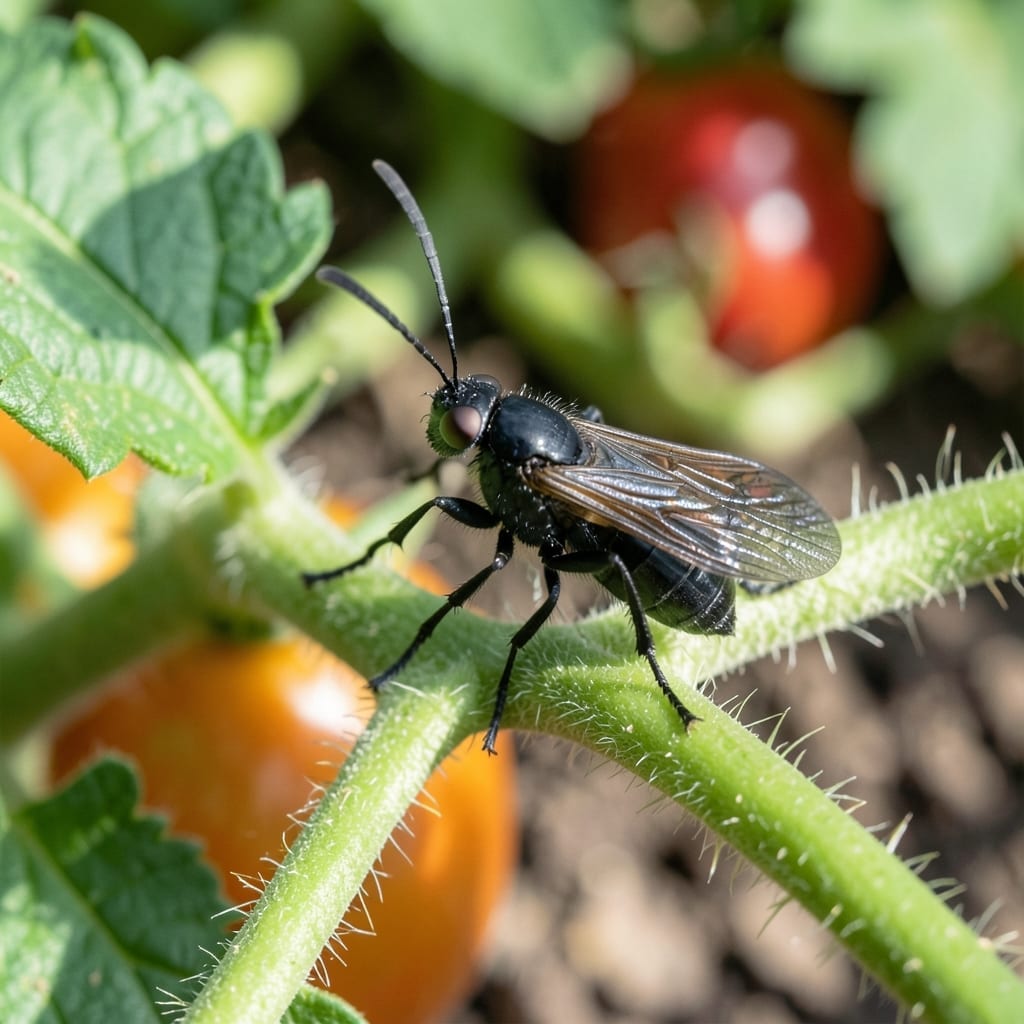
Tomato plants attract insects like aphids and hornworms. I’ve lost entire crops to these pests before learning natural defenses work better than chemicals.
Simple solutions like companion planting with basil or marigolds repel pests while improving growth. Row covers physically block insects during vulnerable early stages.
Healthy plants resist pests naturally. Proper watering, 1-2 inches of mulch, and balanced fertilizer create strong tomato plants less appealing to insects.
Regular inspection catches problems early. Handpick visible pests or spray with soapy water for immediate control without harsh chemicals.
Tomato plants often fall victim to insect attacks due to a mix of environmental, biological, and garden management factors. Understanding these causes can help you take targeted action to protect your crop. Below are the most common reasons insects target your tomatoes, explained with science-backed clarity.
Tomatoes release volatile organic compounds (VOCs) like methyl salicylate and green leaf volatiles, which act as dinner bells for pests like aphids, whiteflies, and hornworms. These compounds signal a food source, drawing insects from afar. Additionally, the high sugar content in tomato leaves and fruit makes them irresistible to sap-sucking pests.
Dense plantings or lack of pruning create humid, stagnant microclimates that favor insect proliferation. Pests like thrips and spider mites thrive in these conditions, while poor airflow also slows leaf drying after rain or watering, inviting fungal diseases that further weaken plants and attract more pests.
Monoculture gardens (growing only tomatoes or few plant types) eliminate natural predators that keep pest populations in check. Without beneficial insects like ladybugs, lacewings, or parasitic wasps, harmful pests multiply unchecked. A diverse ecosystem disrupts this balance, reducing infestation risks.
Inconsistent watering stresses tomato plants, making them more susceptible to insect attacks. Overwatering leads to soft, weak growth that aphids pierce easily, while drought-stressed plants produce higher levels of stress-related VOCs, which attract pests like tomato fruitworms.
Dealing with pests on your tomato plants can feel overwhelming, but these targeted solutions will help you reclaim your garden with minimal fuss. Below are practical fixes for common insect issues, paired with prevention tips to keep your plants thriving.
Use a strong stream of water from your hose to dislodge aphids from the leaves and stems. For stubborn infestations, spray a mix of 1 tablespoon of mild soap and 1 quart of water directly on the pests. Repeat every 2-3 days until they’re gone.
Prevention tip: Encourage ladybugs—natural aphid predators—by planting companion flowers like marigolds or alyssum nearby. 🌼
Create a physical barrier around your tomato plants using copper tape or crushed eggshells. These pests dislike crawling over sharp or metallic surfaces. Alternatively, set out shallow dishes of beer to trap and drown them overnight.
Prevention tip: Clear debris around your garden to remove hiding spots, and water plants in the morning so the soil dries by evening, making it less appealing to slugs.
Spider mites thrive in dry conditions. Combat them by misting your plants regularly with water or using a humidifier nearby. For severe cases, apply neem oil (mixed with water and a drop of soap) to the undersides of leaves, where mites often gather.
Prevention tip: Keep plants well-hydrated and avoid over-fertilizing, which can attract mites. Prune heavily infested leaves to prevent spread. 💧
Hang yellow sticky traps near your tomato plants to catch adult whiteflies. You can also introduce beneficial insects like parasitic wasps or lacewings, which prey on whitefly larvae.
Prevention tip: Avoid overwatering and ensure good air circulation around plants to deter whiteflies from settling in. 🌬️
Plant basil, marigolds, or alyssum near tomatoes. These naturally repel aphids and whiteflies while attracting beneficial insects like ladybugs.
Inspect leaves and stems 2-3 times per week, especially the undersides where pests hide. Early detection prevents major infestations.
Yes! A mix of 1 tablespoon mild soap and 1 quart water sprays off aphids and mites. Copper tape stops slugs, and beer traps drown snails.
Rain stresses plants and washes away natural defenses. Moisture also creates ideal conditions for pests like aphids and fungal diseases to thrive.