
Beautiful Plants For Your Interior
Beautiful Plants For Your Interior
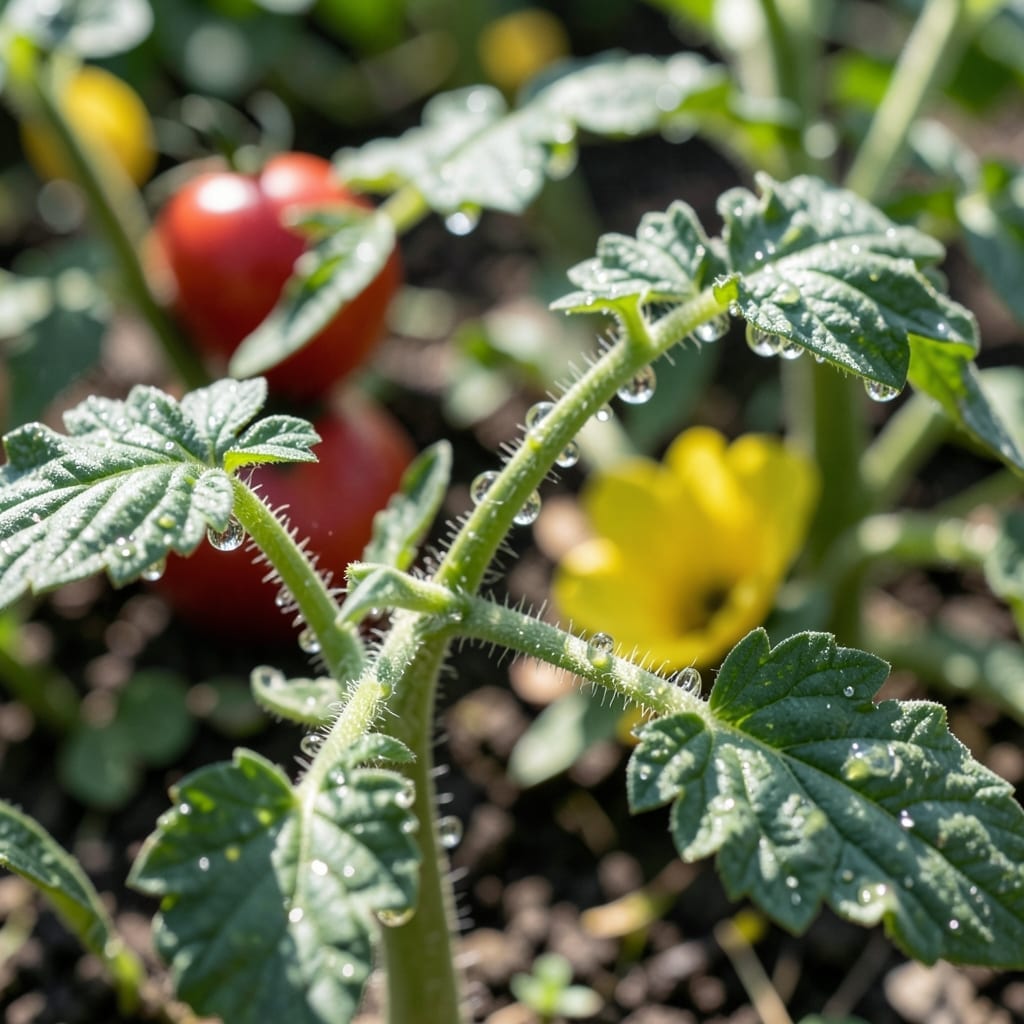
Tomato pests can turn a thriving plant into a chewed-up mess overnight. I’ve lost entire crops to aphids and hornworms before learning this simple defense strategy.
Neem oil is my go-to because it stops pests in their tracks without harsh chemicals. A weekly spray keeps bugs away while letting beneficial insects thrive.
Mix it right, apply at dusk, and you’ll see pests vanish within 48 hours. No more holes in leaves or stunted growth.
Works for organic gardens, container plants, or backyard plots. Here’s exactly how to do it.
Tomato plants are a magnet for pests due to several natural and environmental factors. Understanding why these bugs are drawn to your garden is the first step in creating an effective defense. Below are the primary causes, explained in clear, scientific terms.
Tomatoes are rich in sugars, proteins, and moisture, which make them an irresistible food source for insects like aphids, whiteflies, and hornworms. These pests are naturally drawn to the sap and foliage because they provide essential nutrients for their survival and reproduction. The higher the plant’s vitality, the more it emits volatile organic compounds (VOCs) that act as a dinner bell for bugs.
Tomatoes thrive in warm, humid conditions—but so do many pests. Spider mites and thrips flourish in dry, hot weather, while fungus gnats and whiteflies prefer moist, shaded areas. These conditions accelerate pest lifecycle stages, leading to rapid infestations if left unchecked. Poor air circulation in dense plantings can also trap humidity, creating a perfect breeding ground.
In a balanced ecosystem, beneficial insects like ladybugs, lacewings, and parasitic wasps keep pest populations in check. However, modern gardens often lack these predators due to pesticide overuse or monoculture planting (growing only tomatoes). Without natural enemies, pests multiply uncontrollably, leading to visible damage like chewed leaves, stunted growth, or fruit deformation.
Plants under stress—whether from underwatering, overwatering, or nutrient deficiencies—emit distress signals that attract pests. For example, aphids target weak new growth, while cutworms attack stressed stems at soil level. Even over-fertilization (especially with nitrogen) can produce lush but soft tissue that’s easier for bugs to penetrate.
Need quick, effective fixes for pesky tomato plant invaders? Here’s how to tackle common bugs with targeted sprays and smart prevention.
Mix 1 tsp mild liquid soap with 1 quart of water and spray directly on aphid clusters. The soap breaks down their protective coatings, causing them to dehydrate. Prevention tip: 💡 Encourage ladybugs—natural aphid predators—by planting marigolds nearby.
Combine 1 tbsp neem oil, 1 tsp dish soap, and 1 quart of water. Shake well and spray evenly on both sides of leaves. Neem disrupts their life cycle. Prevention tip: 🌡️ Avoid overhead watering—mites thrive in dry, dusty conditions.
Use a BT-based spray (follow label instructions) to target hornworms without harming beneficial insects. Apply in the early morning for best results. Prevention tip: ✨ Handpick worms off plants and drop them in soapy water.
Hang yellow sticky traps near plants to catch adults. For larvae, spray with insecticidal soap (ready-made or DIY). Prevention tip: 🎯 Use reflective mulch to disorient whiteflies.
Pro tip: Always test sprays on a small leaf area first to check for plant sensitivity. Reapply after rain or heavy watering!
Apply neem oil or insecticidal soap every 7-10 days as prevention. For active infestations, spray every 3-5 days until pests disappear. Always reapply after rain.
Yes! A mix of 1 tsp dish soap and 1 quart water works well for aphids. Garlic or chili pepper sprays can also deter pests naturally.
Spray in the early morning or late evening to avoid harming bees. Avoid midday heat, which can cause leaf burn.
Neem oil and soapy water are safe for bees and ladybugs when applied at dusk. BT targets only caterpillars like hornworms.