
Beautiful Plants For Your Interior
Beautiful Plants For Your Interior
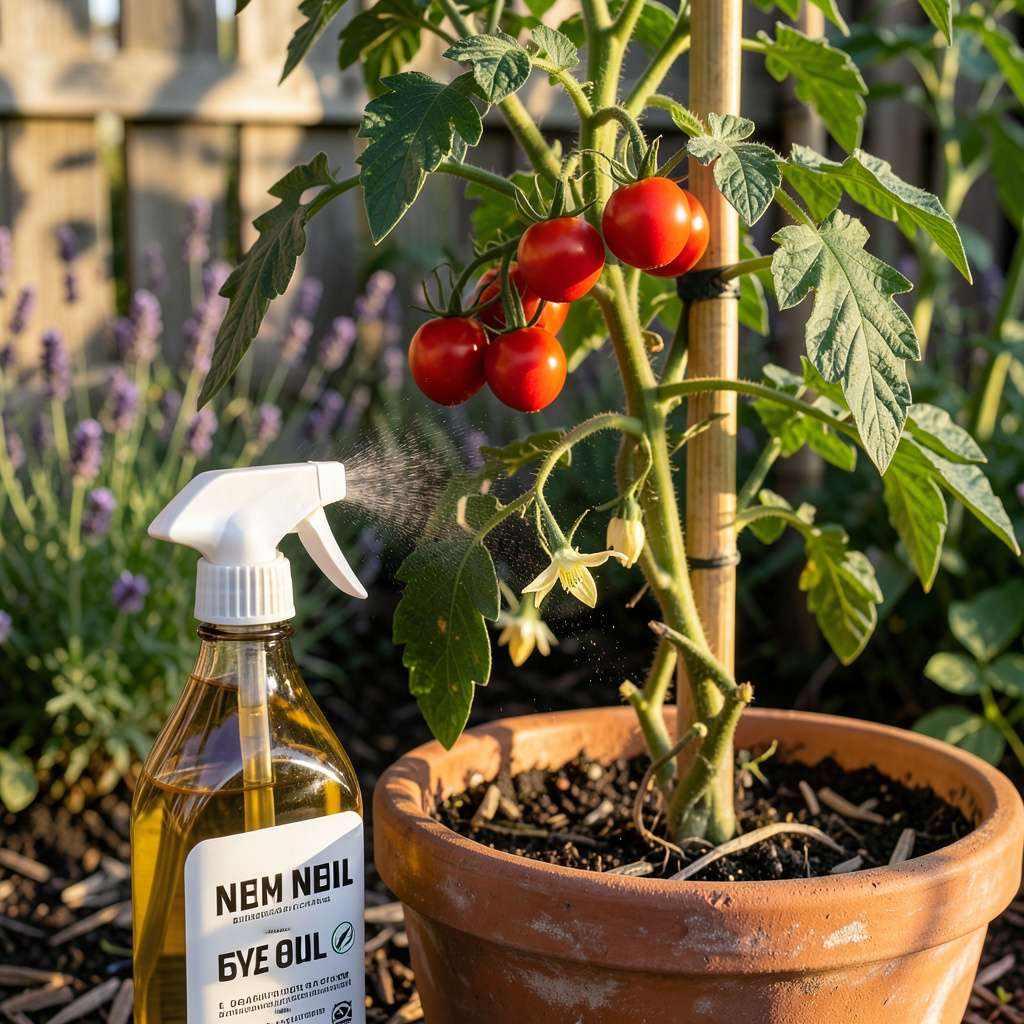
Neem oil may deter wasps indirectly by repelling other insects they prey on, but it’s not a potent standalone repellent. For better results, combine it with essential oils like peppermint or eucalyptus.
What I find interesting is that neem oil contains compounds like azadirachtin, which can disrupt the hormones of certain insects. 🌿 However, wasps tend to be more resistant to these effects compared to other pests. Pairing neem oil with other natural deterrents, such as citronella or vinegar, can enhance its effectiveness in keeping these insects at bay.
Additionally, using physical barriers like netting in conjunction with neem oil may provide further protection for my garden. By combining these methods, I can create a more comprehensive strategy for deterring wasps while maintaining a healthy environment for beneficial insects. 🔒
💡 In This Article
Neem oil is derived from the seeds of the neem tree and contains a compound called azadirachtin. This natural pesticide disrupts the hormonal systems of many insects, affecting their ability to feed and reproduce.
The mechanism works by interfering with hormones that regulate growth and development, causing significant issues for soft-bodied pests like aphids and whiteflies. 🌿
However, when it comes to wasps, the situation is different. Wasps are generally more resilient and less affected by azadirachtin compared to other insects. Their robust physiology allows them to withstand the hormonal disruptions that neem oil can cause.
This means that while neem oil may deter some insects indirectly, it may not be effective as a standalone solution against wasps. 🔍
To enhance the repelling effect, consider combining neem oil with other natural deterrents. For instance, blending it with essential oils like peppermint or eucalyptus can create a more potent mixture. These oils have strong aromas that many insects find unappealing, increasing the likelihood of keeping wasps at bay.
Mixing a few drops of each in a spray bottle filled with water can create an effective deterrent. 💧
Another practical strategy involves using physical barriers alongside neem oil. Utilizing netting or screens around gardens can provide an extra layer of protection against wasps while allowing beneficial insects like bees to access your plants. This way, I can maintain a balanced ecosystem in my garden while minimizing unwanted wasp encounters. 🔒
It’s essential to apply these mixtures regularly, especially during peak wasp activity seasons, typically late summer and early fall. For optimal results, reapply every 2-3 weeks or after heavy rainfall to ensure that the protective qualities remain effective. This proactive approach helps in creating a wasp-free zone around outdoor spaces. 🌞
In conclusion, while neem oil has its limitations regarding wasp repellent capabilities, pairing it with other natural deterrents and physical barriers can create a comprehensive strategy. By being vigilant and prepared, I can enjoy my garden without the nuisance of wasps disrupting my outdoor activities. 🌱
