
Beautiful Plants For Your Interior
Beautiful Plants For Your Interior
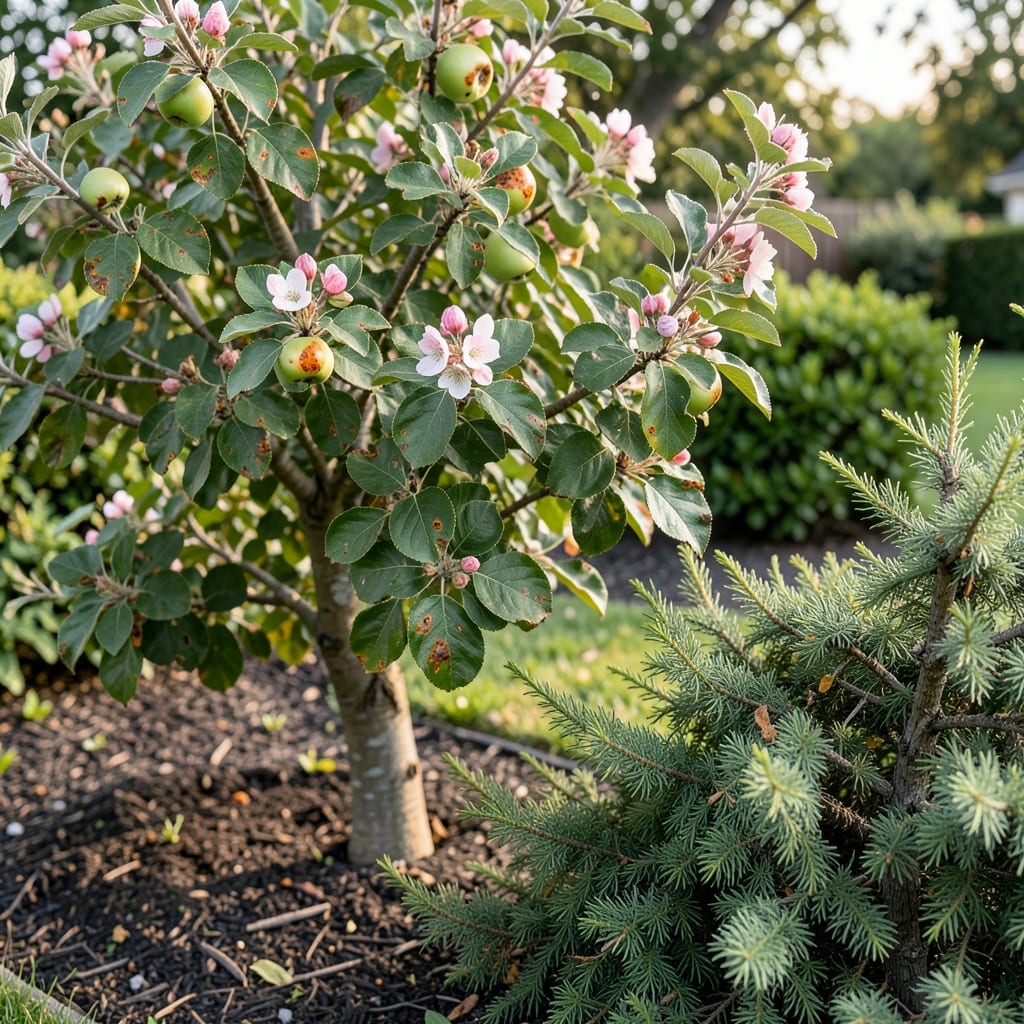
Orange jelly-like blobs on your juniper branches mean trouble. I spotted this on my own cedars last spring and knew I had a problem brewing for my apple trees.
This fungal dance between junipers and apples spreads fast when wet. The spores travel 2 miles on wind, infecting leaves and fruit. My neighbor’s apple trees showed the telltale spots within weeks.
Natural solutions do work when you catch it early. Pruning infected branches and removing fallen debris stops the cycle. I use a copper spray as backup during wet seasons.
Prevention is simpler than treatment. Plant resistant juniper varieties and keep your apple trees pruned for better airflow. It’s saved my harvest two years running.
Juniper apple rust is caused by the fungus Gymnosporangium juniperi-virginianae, which thrives under specific environmental conditions. Understanding these triggers is key to prevention and control.
The fungus requires prolonged moisture to infect hosts. Wet springs or frequent overhead watering create ideal conditions for spore germination on apple leaves and juniper tissues. High humidity (above 90%) accelerates spore release and spread.
Cool, damp weather (50–70°F) is optimal for infection. Temperature swings between day and night can stress plants, making them more susceptible. The fungus remains dormant in extreme cold but reactivates as temperatures rise.
Juniper and apple plants grown near each other facilitate the disease cycle. The fungus alternates between these hosts: juniper produces spores that infect apple trees, and apple trees later release spores that reinfect juniper. Keeping them separated (at least 1,000 feet apart) disrupts this cycle.
The fungus overwinters in galls on juniper branches or cankers on apple trees. These structures release spores in spring, initiating new infections. Pruning infected branches before spores mature can significantly reduce spread.
Tackling juniper-apple rust starts with removing the fungus’s ability to spread. Below are practical fixes for each cause, paired with prevention tips to keep your plants healthy long-term.
If you spot orange, gelatinous spores on juniper branches or apple leaves, prune and destroy the affected areas immediately. Use sterilized shears to cut at least 4–6 inches below visible damage, and dispose of the debris in sealed bags—never compost it. This stops the fungus from releasing spores.
Rust spores overwinter in leaf litter and juniper berries. Rake and remove all fallen leaves, fruit, and twigs from around both host plants. A thorough cleanup in late fall and early spring disrupts the fungus’s life cycle.
Dense, wet foliage invites fungal growth. Thin out crowded branches on junipers and apples to boost airflow. Space plants properly when planting, and avoid overhead watering. Water at the base in the morning so leaves dry quickly.
💡 Pro Tip: A small fan in a greenhouse or enclosed garden can help reduce humidity.
For active infections, use natural fungicides like neem oil or copper-based sprays. Apply in early spring before spores germinate, and repeat every 7–10 days during wet weather. Always follow label instructions for safety and effectiveness.
Prevent future outbreaks by choosing rust-resistant apple trees (e.g., ‘Liberty’ or ‘Freedom’) and juniper cultivars less susceptible to infection. Replace heavily infected plants if necessary.
💡 Pro Tip: Rotate crops and avoid planting apples near junipers to break the fungal chain.
Keep them at least 1,000 feet apart to break the fungal life cycle. This distance prevents spores from traveling between hosts, which is critical for long-term control.
No, never compost infected branches or leaves. The fungus survives composting and can reinfect your garden. Seal and dispose of all debris in the trash instead.
Prune in late winter or early spring before spores mature. Use sterilized tools and cut 4–6 inches below visible damage to ensure complete removal.
Yes, try ‘Liberty’ or ‘Freedom’ apple trees. These varieties are bred for resistance and significantly reduce the risk of infection.