
Beautiful Plants For Your Interior
Beautiful Plants For Your Interior
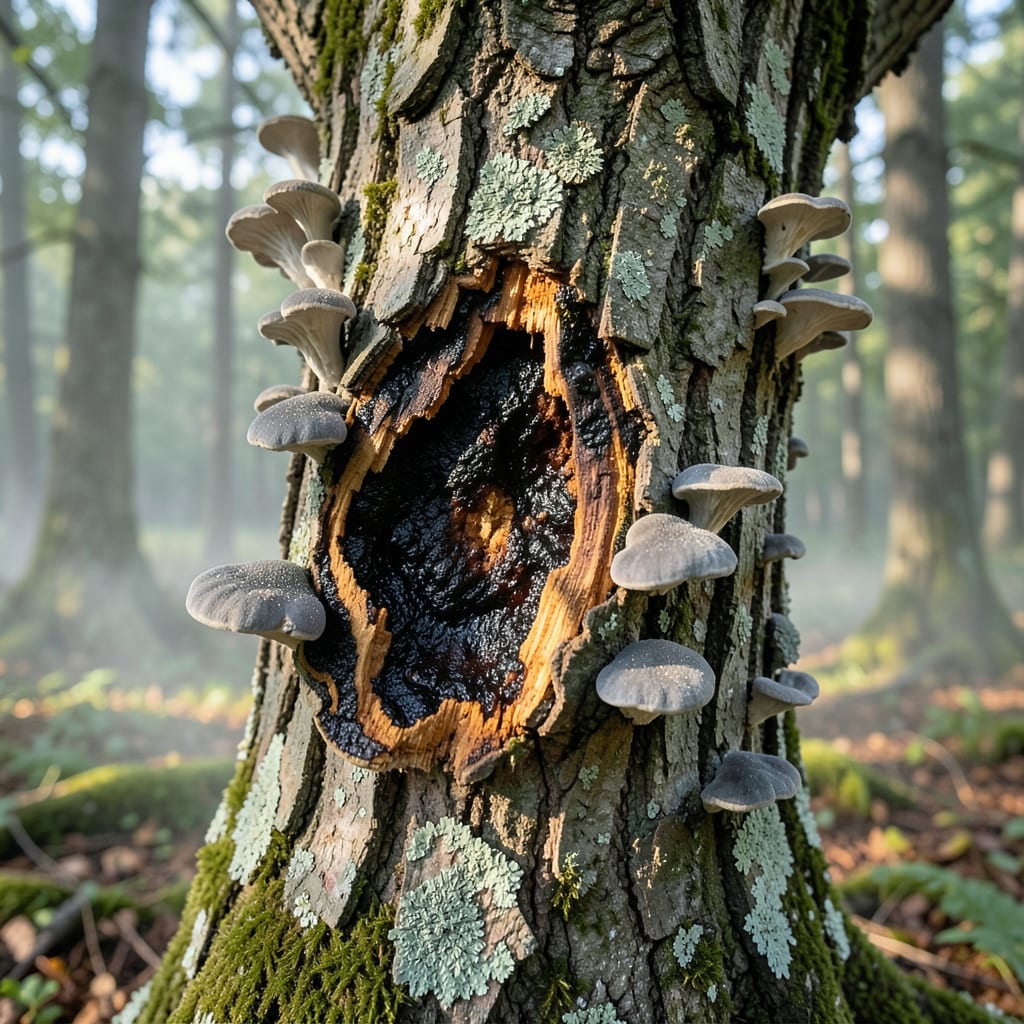
Spotted a sunken, discolored patch on your tree bark? That might be a fungal canker. I first noticed one on my old oak last spring, and ignoring it nearly cost me the tree.
These infections enter through wounds, weak spots, or poor pruning cuts. They’re sneaky—often starting small but spreading fast, especially in wet weather. Early action is everything.
Prune infected branches 6 inches below the canker, sterilize tools between cuts, and avoid watering the trunk. A little vigilance saves years of growth.
Healthy trees resist better, so focus on proper watering and mulching year-round. Prevention beats cure every time with these stubborn invaders.
Fungal cankers on trees develop due to a combination of environmental stress, pathogen entry points, and tree vulnerability. Understanding these triggers helps in preventing and managing outbreaks effectively.
Fungal spores often enter trees through fresh wounds, such as pruning cuts, broken branches, or bark damage from equipment. Improper pruning techniques or timing (e.g., pruning during wet seasons) increase infection risk by leaving tissues exposed to airborne pathogens like Botryosphaeria or Neonectria.
Trees weakened by drought, extreme temperatures, or waterlogging are more susceptible. Stress reduces a tree’s ability to compartmentalize infections, allowing fungi to spread rapidly. For example, Cytospora cankers thrive in drought-stressed conifers, while wet conditions favor Phytophthora in hardwoods.
Dense canopies or overcrowded plantings create humid microclimates that encourage fungal growth. Limited airflow slows moisture evaporation, giving spores time to germinate on bark surfaces. Thinning branches to improve ventilation can significantly reduce canker development.
Boring insects (e.g., bark beetles) and animals (e.g., deer rubbing antlers) can transmit fungal spores directly into tree tissues. Inspect trees for entry holes or animal damage, and treat infestations promptly to minimize infection pathways.
Fungal cankers can be stubborn, but early action and smart habits can save your trees. Below are targeted solutions for common causes, plus prevention tips to keep your landscape healthy.
If you spot cankers—sunken, discolored, or oozing patches—prune the affected branches immediately. Use sterilized pruning shears and cut at least 6 inches below the canker to remove all fungal spores. Disinfect tools between cuts with a 10% bleach solution or rubbing alcohol. Never compost infected material; burn or dispose of it in sealed bags.
Fungi thrive in damp, stagnant conditions. Thin out dense canopies to allow airflow and sunlight, which dry out moisture and discourage growth. Space trees properly during planting, and remove weeds or debris around the base to reduce humidity. For existing trees, prune inner branches to open the center.
For severe or recurring cankers, copper-based fungicides can help. Apply in early spring or late fall, following label instructions. Focus on wounds or fresh pruning cuts, as these are entry points for fungi. Note: Fungicides are preventive, not curative—use them alongside pruning for best results.
Pro tip 🌡️: Apply a thin layer of tree wound dressing only if the canker is small and freshly pruned—this can seal out spores but isn’t a cure-all.
Look for sunken, discolored, or cracked areas on the bark, often oozing sap. These patches may appear darker or lighter than surrounding bark. Early signs include wilting leaves above the affected area.
Avoid pruning in wet conditions. Moisture helps fungal spores spread and enter fresh cuts. Always prune on dry days and sterilize tools between cuts with rubbing alcohol.
No, fungicides are preventive, not curative. They protect wounds from new infections but won’t heal established cankers. Remove infected branches and dispose of them in sealed bags.
It depends on the tree’s overall health. If over 50% of the trunk is affected, removal may be necessary to prevent spreading to nearby trees. Consult an arborist for severe cases.
