
Beautiful Plants For Your Interior
Beautiful Plants For Your Interior
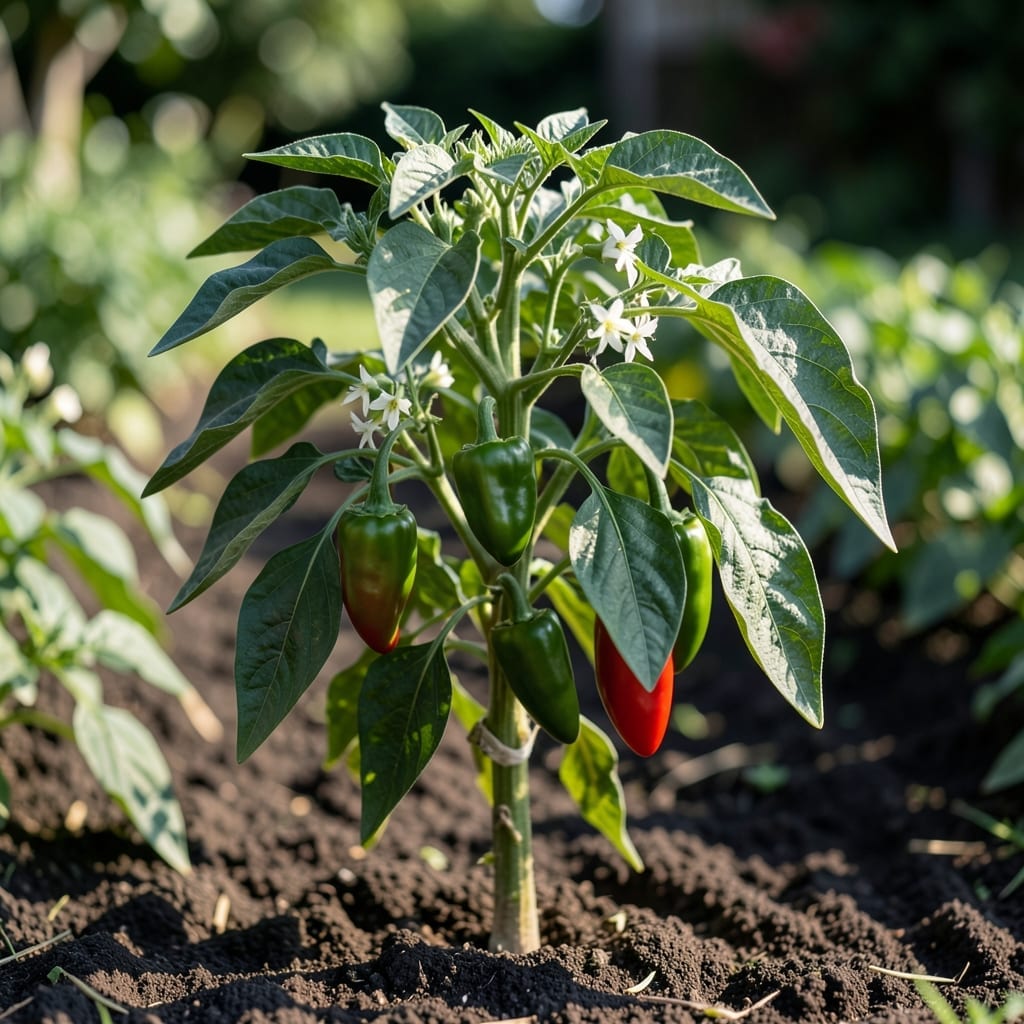
Your jalapeño plant was thriving yesterday, now it looks like it’s giving up. Wilting happens fast with these plants, and the cause is usually one of two opposites: too much water or not enough.
I’ve saved countless plants by checking the soil first. Stick your finger in 2 inches deep—if it’s bone dry, underwatering’s the culprit. If it’s soggy, you’re likely drowning the roots.
Once you know which problem you’re facing, the fix is simple. Adjust your watering, check the drainage, and watch for recovery within 24-48 hours. Most plants bounce back quickly with the right care.
Prevention is easier than cure. Consistent watering, good drainage, and proper sunlight keep wilting from happening in the first place.
Jalapeno plants wilt when their internal systems can’t maintain turgor pressure in the leaves and stems. This usually happens for one of four reasons:
When soil moisture dips below 30 % field capacity, root cells lose osmotic pressure. Without enough water to fill the xylem vessels, leaf cells collapse and the foliage droops. Check the top 2 inches of soil—if it’s bone-dry, thirst is the culprit.
Saturated soil pushes oxygen out of pore spaces. Roots switch from aerobic to anaerobic respiration, producing ethanol and carbon dioxide that poison root tips. Within 24–48 hours, damaged roots stop absorbing water, causing wilt even though the soil is wet.
Temperatures above 90 °F or below 50 °F disrupt membrane permeability. Cells leak water faster than they can replace it, leading to rapid wilting. Jalapenos prefer a steady 70–85 °F range.
Aphids, spider mites, or Fusarium wilt bacteria puncture cells or block vascular tissue. Reduced sap flow starves the plant of water and nutrients, triggering a slow or sudden droop.
Fixing a wilting jalapeño plant starts with pinpointing the cause and applying the right remedy. Here’s how to tackle the most common issues:
If the soil is bone-dry, give your plant a deep watering until water runs out of the drainage holes. Check the top inch of soil—if it’s dry, it’s time to water. Prevention tip: Set up a consistent watering schedule (every 2-3 days in hot weather) and use mulch to retain moisture. 💡
Stop watering immediately and let the soil dry out. If root rot is suspected, trim any black, mushy roots and repot in fresh, well-draining soil. Prevention tip: Use a pot with drainage holes and a moisture meter to avoid guesswork. ✨
Move the plant to a shadier spot during peak sun hours (12–3 PM) and ensure it’s hydrated. A shade cloth or temporary indoor relocation can help. Prevention tip: Acclimate plants gradually to direct sunlight. 🎯
Inspect leaves for bugs like aphids or spider mites. Spray with neem oil or insecticidal soap. For fungal issues (e.g., powdery mildew), remove affected leaves and improve airflow. Prevention tip: Keep the area clean and avoid overhead watering. 🌿
Yellowing leaves may signal a lack of nitrogen or potassium. Use a balanced fertilizer (10-10-10) or compost tea every 2–4 weeks. Prevention tip: Test soil pH (6.0–6.8 is ideal) and amend as needed. 🔥
Check the soil 2 inches deep. If dry, it needs water. If soggy, stop watering and let it dry out.
Yes, most plants recover within 24-48 hours once the issue is addressed. Adjust care and monitor progress.
Use well-draining potting mix with compost. Avoid heavy clay soils that retain too much moisture.
Only if they’re yellow or damaged. Healthy leaves may recover, so wait 1-2 days before pruning.