
Beautiful Plants For Your Interior
Beautiful Plants For Your Interior
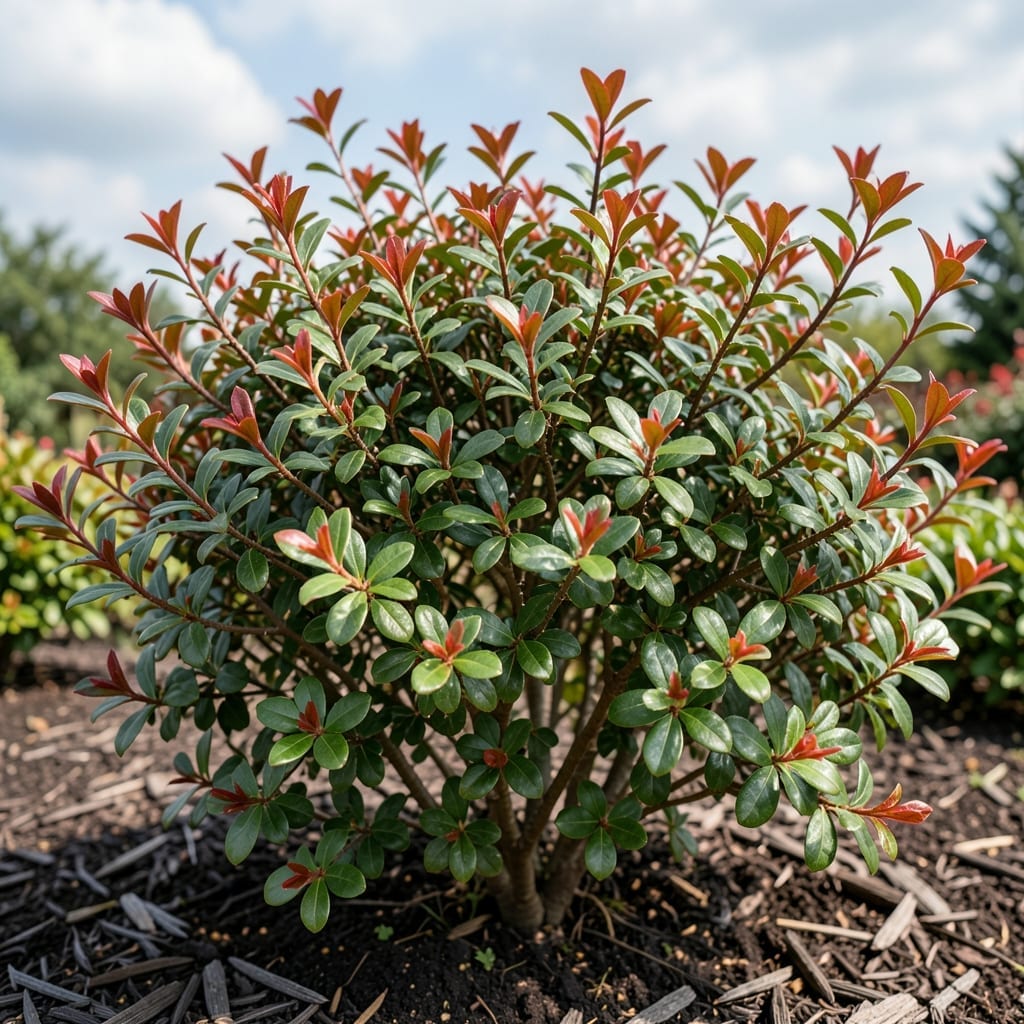
Red leaves on your Indian hawthorn don’t always mean trouble. 🌿 I’ve seen this happen every fall when cooler temps trigger their natural color shift—deep burgundy, fiery orange, or rich crimson.
But if it’s happening out of season, you might be dealing with stress from drought, poor drainage, or even a fungal issue. The plant’s way of waving a white flag.
Diagnosing starts with timing and pattern. Seasonal changes are predictable and beautiful. Sudden reddening, especially on new growth, usually signals a problem needing fast attention.
Once you pinpoint the cause, the fix is often simple: adjust watering, improve airflow, or treat with a copper fungicide. Healthy plants bounce back surprisingly well.
Indian hawthorn leaves turn red primarily due to environmental and physiological factors. Here’s a breakdown of the most common causes:
Cooler temperatures in fall and winter trigger the breakdown of chlorophyll, the green pigment in leaves. As chlorophyll fades, other pigments like anthocyanins (red) become more visible. Indian hawthorn produces anthocyanins as a protective response to cold stress, resulting in vibrant red foliage.
Excessive sunlight, especially in combination with cooler nights, can intensify red pigmentation. Anthocyanins act as a natural sunscreen, shielding leaves from photooxidative damage. Shaded plants may develop less red coloration compared to those in full sun.
Phosphorus or magnesium deficiencies can sometimes cause leaves to turn reddish-purple. Unlike seasonal color changes, this is often accompanied by stunted growth or leaf curling. A soil test can confirm deficiencies, and targeted fertilization may restore balance.
Indian hawthorn is semi-evergreen, and some varieties naturally develop red tones in autumn as part of their seasonal cycle. This is a healthy, expected process and doesn’t indicate stress unless accompanied by leaf drop or other symptoms.
If your Indian hawthorn’s leaves are turning red, don’t panic—this vibrant shift often signals stress, not permanent damage. Here’s how to diagnose and fix the most common causes, along with tips to keep your shrub thriving year-round.
Fix: Move potted plants to a spot with dappled afternoon shade, or use shade cloth for in-ground shrubs during heatwaves. Water deeply early in the morning to hydrate roots before the day’s peak heat.
Prevent: Mulch around the base with 2–3 inches of organic material (like pine bark) to retain soil moisture and cool roots. 💡 Pro tip: Young plants need extra protection—consider temporary shade structures until they’re established.
Fix: Stick your finger 2 inches into the soil. If it’s bone-dry, water slowly until the top 6–8 inches are moist. If soggy, stop watering and improve drainage by amending the soil with compost or sand.
Prevent: Water consistently—Indian hawthorns prefer moist but well-drained soil. Use a soaker hose to avoid wetting foliage, which can invite disease.
Fix: Test soil pH (ideal range: 6.0–7.5). If too alkaline, apply sulfur or peat moss. For nitrogen deficiency (pale leaves with red tips), use a balanced fertilizer (10-10-10) or organic options like fish emulsion.
Prevent: Feed with a slow-release fertilizer in early spring and again in fall. Avoid over-fertilizing, which can burn roots and worsen stress.
Fix: Inspect leaves for aphids, lace bugs, or fungal spots (like leaf spot disease). Spray with neem oil or insecticidal soap for pests; remove infected leaves and improve air circulation for fungi.
Prevent: Prune crowded branches to boost airflow, and clean up fallen debris to reduce disease risk. ✨ Bonus: Plant companion species like lavender to deter pests naturally.
Yes! Many varieties naturally develop red tones in fall as part of their seasonal cycle. This is a healthy process triggered by cooler temperatures and shorter days.
Seasonal reddening appears gradually in autumn. Sudden color changes, especially with leaf drop or curling, may indicate stress from water, nutrients, or pests.
Check soil moisture first. If dry, water deeply at the base. If soggy, improve drainage. For nutrient issues, a balanced fertilizer can restore balance within 2-3 weeks.