
Beautiful Plants For Your Interior
Beautiful Plants For Your Interior
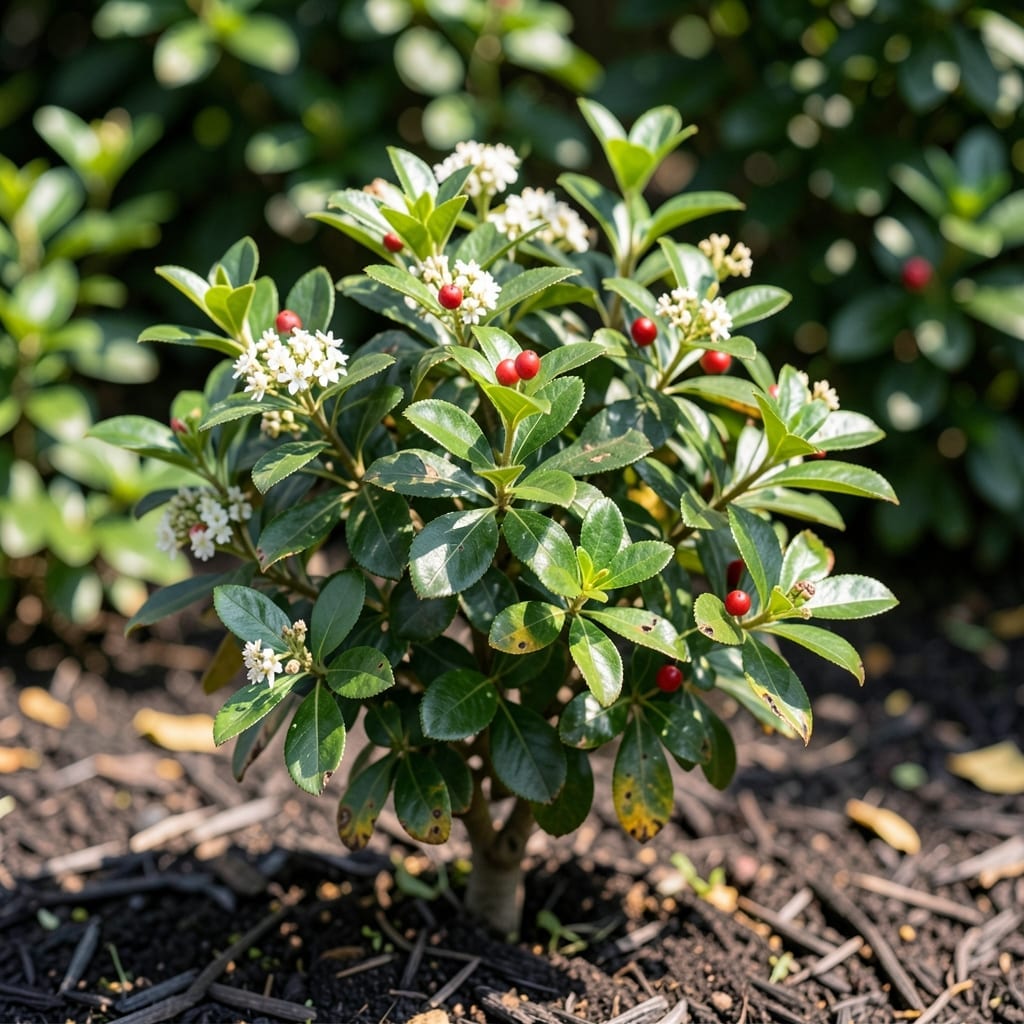
My Indian hawthorn looked like it was giving up last summer. Leaves spotted, edges brown, growth stunted—it was a sad sight in what should’ve been its prime season.
Turns out, most issues boil down to 3 common culprits: water stress, fungal diseases, or pest infestations. The good news? Each leaves distinct visual clues that are easy to spot once you know what to look for.
With the right fixes—adjusting water, improving airflow, or a targeted treatment—you can nurse it back to health faster than you’d expect. I’ve saved mine twice now with simple, immediate steps.
No advanced tools or green thumb required. Just a sharp eye and a willingness to act before the damage spreads.
Indian hawthorn (Raphiolepis indica) is a hardy ornamental shrub, but several factors can make it look unkempt or unhealthy. Below are the most common causes, explained with actionable insights.
Extreme temperatures, drought, or poor soil drainage can weaken the plant. Indian hawthorn thrives in USDA zones 7-11 and prefers well-draining, slightly acidic soil. Prolonged waterlogging leads to root rot, while drought stress causes leaf scorch (brown, crispy edges). Solution: Mulch to retain moisture and improve soil structure.
Leaf spot (Entomosporium) and fire blight are frequent culprits. Leaf spot causes reddish-brown lesions with yellow halos, while fire blight turns branches black and wilted. These thrive in humid, wet conditions. Solution: Prune infected branches, avoid overhead watering, and apply copper-based fungicides preventatively.
Scale insects, aphids, and spider mites sap the plant’s vigor. Scale appears as white or black bumps on stems, while spider mites cause stippled, discolored leaves. Solution: Spray with horticultural oil or insecticidal soap, focusing on leaf undersides.
Yellowing leaves (chlorosis) often signal iron or magnesium deficiency, common in alkaline soils. Nitrogen deficiency causes pale, stunted growth. Solution: Test soil pH (aim for 6.0-6.5) and amend with chelated iron or a balanced fertilizer.
Pruning at the wrong time (e.g., late summer) or with dull tools can invite disease and stress. Solution: Prune after flowering (spring) using sterilized, sharp shears to encourage healthy regrowth.
If your Indian hawthorn is looking lackluster, targeted fixes can bring it back to life. Below are practical solutions mapped to common issues, along with prevention tips to keep it thriving.
Yellow leaves often signal root rot from waterlogging. Dig up the plant, trim any black or mushy roots, and replant in well-draining soil mixed with perlite. Use a raised bed or container if your garden has heavy clay. Prevention tip: Water only when the top 1–2 inches of soil are dry. 💡
Blast off aphids or spider mites with a strong stream of water, then apply neem oil or insecticidal soap every 5–7 days until they’re gone. For scale insects, dab them with a cotton swab soaked in rubbing alcohol. Prevention tip: Encourage ladybugs and lacewings—natural predators—by planting pollinator-friendly flowers nearby. ✨
Brown tips usually mean underwatering or too much sun. Water deeply 1–2 times a week (more in extreme heat) and add a 2-inch layer of mulch to retain moisture. If leaves scorch in full afternoon sun, provide dappled shade with a shade cloth. Prevention tip: Plant in a spot with morning sun and afternoon shade in hot climates. 🌡️
Remove infected leaves and branches immediately to stop the spread. Apply a copper-based fungicide or a baking soda solution (1 tsp baking soda + 1 quart water + a drop of dish soap). Prevention tip: Space plants 3–4 feet apart for airflow, and avoid overhead watering. 🎯
Slow growth may indicate nutrient deficiency. Use a balanced, slow-release fertilizer (10-10-10) in early spring. If the soil is alkaline (pH above 7.5), amend with sulfur or peat moss to lower pH. Prevention tip: Test soil every 2–3 years and fertilize annually. 📊
Look for yellowing leaves, brown crispy edges, or dark spots. These often appear before more severe symptoms like leaf drop or stunted growth.
Yes! Overwatering leads to root rot, causing yellow leaves and wilting. Always check soil moisture before watering—stick your finger 1-2 inches deep. If it’s damp, wait.
Pests like aphids leave sticky residue or visible bugs. Diseases often show as spotted or discolored leaves without visible insects. Inspect closely with a magnifying glass.
Pruning can improve air flow and remove damaged parts. Always use clean, sharp tools and prune after flowering in spring for best results.