
Beautiful Plants For Your Interior
Beautiful Plants For Your Interior
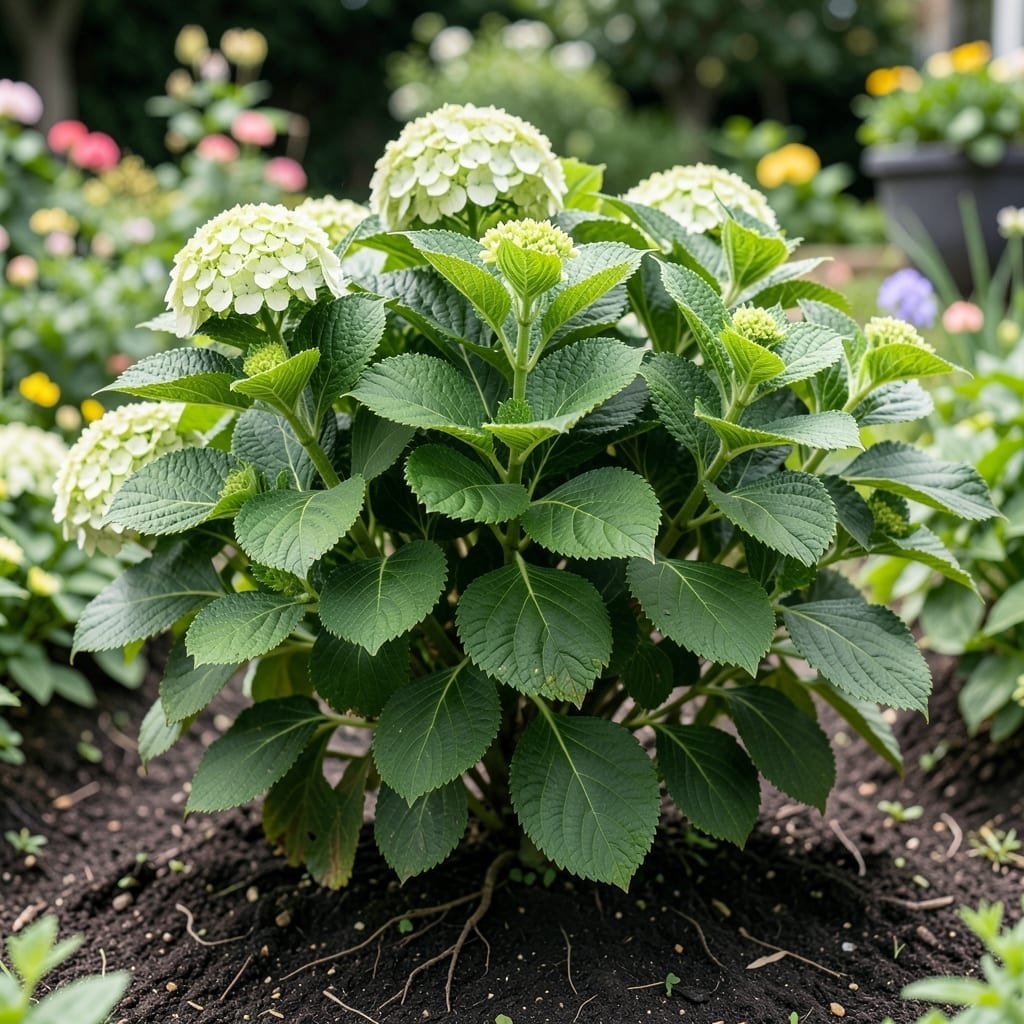
Last summer, my hydrangeas looked more like green shrubs than flowering showstoppers. I’ve since learned that 3 common oversights—too much shade, wrong pruning timing, or poor soil—often steal the blooms we expect.
Here’s the thing—hydrangeas set their flower buds months before they open. Prune at the wrong time or plant in deep shade, and you’ll snip or starve next year’s display before it starts.
With a few simple adjustments, you can coax out clusters of vibrant, long-lasting flowers. The fix usually involves more sunlight, smarter cuts, or a soil pH tweak.
I’ll be real with you: patience matters. Make changes now, and you’ll see the payoff in next season’s bigger, bolder blooms.
There are several scientific reasons why hydrangeas may skip a blooming season. Below are the most common causes, explained with actionable insights.
Hydrangeas bloom on old wood (last year’s growth) or new wood (current season’s growth), depending on the variety. Pruning at the wrong time—such as cutting back Hydrangea macrophylla (bigleaf) in spring—removes flower buds before they open. Fix: Prune right after blooming for old-wood varieties or in late winter for new-wood types like Hydrangea paniculata.
Hydrangeas need 4–6 hours of morning sun and afternoon shade to set buds. Too much shade reduces photosynthesis, limiting energy for flower production. Fix: Relocate to a brighter spot or thin nearby trees to improve light exposure.
Late frosts can damage tender buds, while heatwaves stress the plant. H. macrophylla is especially sensitive to cold snaps below 25°F (-4°C). Fix: Mulch heavily in fall to insulate roots and use burlap wraps for winter protection in cold climates.
Excess nitrogen (from high-N fertilizers) promotes leafy growth at the expense of flowers. Phosphorus, however, supports bud formation. Fix: Use a balanced 10-10-10 fertilizer or one higher in phosphorus (e.g., 7-9-5) in early spring.
While pH affects flower color (not blooming directly), extremely acidic (below 5.0) or alkaline (above 7.0) soil can lock out essential nutrients like phosphorus. Fix: Test soil pH and amend with lime (to raise pH) or sulfur (to lower pH) as needed.
Bring those hydrangeas back to life with these straightforward fixes for the most common blooming blockers.
If your hydrangea blooms on old wood (like bigleaf or oakleaf types), stop pruning in late summer or fall. These varieties set their flower buds in the previous year, so cutting them back too late removes potential blooms. Instead, prune right after they finish blooming in summer. For varieties that bloom on new wood (like panicle hydrangeas), prune in late winter or early spring to encourage fresh growth.
Prevention tip: 💡 Know your hydrangea type—this determines the best pruning time!
Hydrangeas love morning sun and afternoon shade. If yours aren’t blooming, they might be getting too much shade (common with bigleaf hydrangeas) or too much harsh sun (which can scorch buds). Move potted hydrangeas to a brighter spot or trim back nearby trees to allow dappled sunlight. Aim for 4-6 hours of sunlight daily for most varieties.
Prevention tip: 🌡️ Monitor sunlight patterns in your garden—shade shifts with the seasons!
Hydrangeas thrive in consistently moist, well-draining soil. Too much water can rot roots and prevent blooming, while too little stresses the plant. Water deeply 1-2 times per week (more in extreme heat) and mulch around the base to retain moisture. Stick your finger in the soil—if the top inch is dry, it’s time to water.
Prevention tip: ✨ Use a soaker hose to deliver water directly to the roots and avoid wetting the leaves.
Hydrangeas need nutrient-rich soil to produce blooms. Test your soil’s pH—bigleaf hydrangeas prefer acidic soil (pH 5.2-5.5) for blue flowers, while alkaline soil (pH 6.0-6.5) yields pink blooms. Amend the soil with compost or use a balanced, slow-release fertilizer (10-10-10) in early spring. Avoid high-nitrogen fertilizers, which promote leafy growth at the expense of flowers.
Prevention tip: 🎯 Fertilize once in spring and again in early summer—over-feeding can do more harm than good!
Bigleaf and oakleaf types bloom on old wood, while panicle and smooth hydrangeas bloom on new wood. Check your variety—this determines when to prune.
Yes! High-nitrogen fertilizers promote leafy growth instead of flowers. Use a balanced 10-10-10 or phosphorus-rich fertilizer in spring.
Late frosts or improper pruning likely damaged flower buds. Protect plants in winter and prune right after blooming for old-wood types.
Most need 4-6 hours of morning sun. Relocate potted plants or trim nearby trees to improve light exposure.