
Beautiful Plants For Your Interior
Beautiful Plants For Your Interior
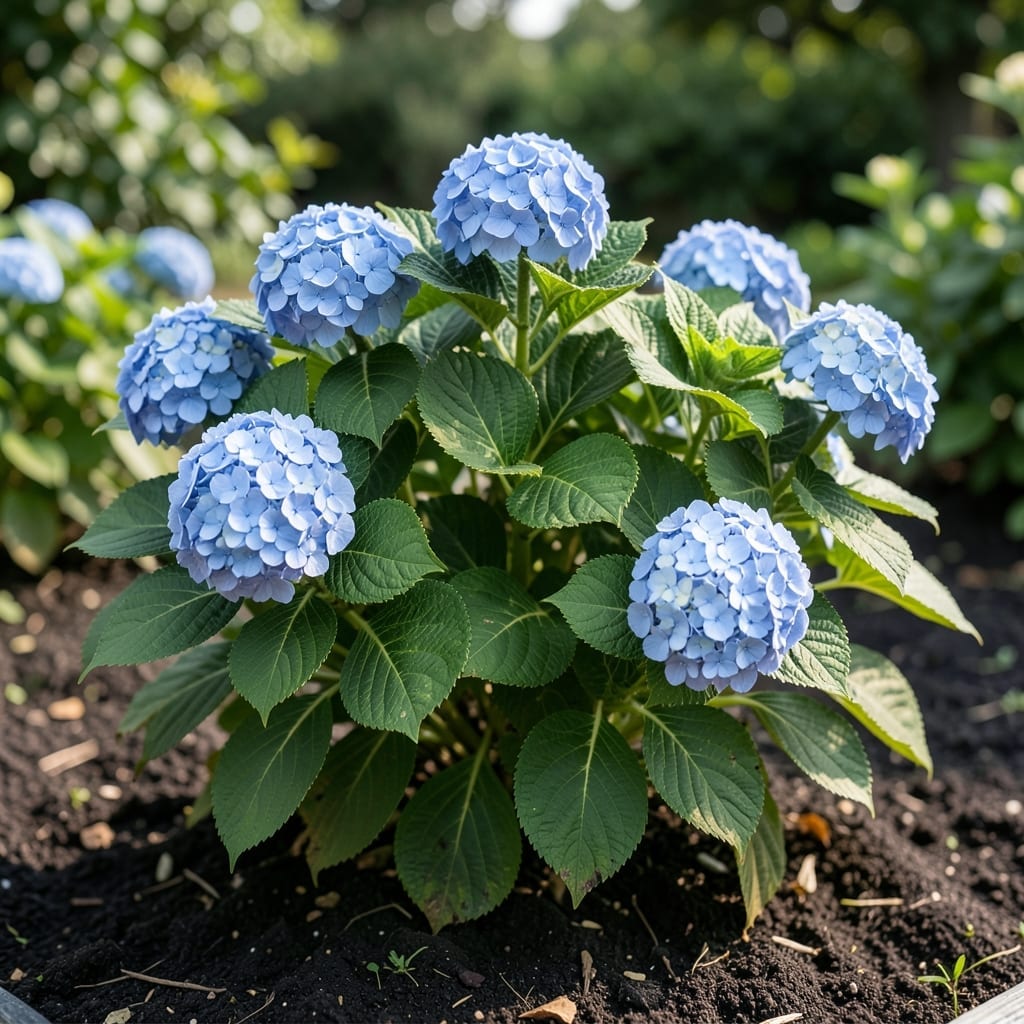
There’s something magical about watching your garden burst into color, especially when it’s the 🌸 Endless Summer Hydrangea leading the show. These stunning shrubs don’t just bloom – they put on a season-long performance.
Unlike traditional varieties, this hydrangea keeps producing fresh flowers when others have called it quits. That means weeks of vibrant color that can transform your outdoor space from spring through fall.
I’ve seen firsthand how these beauties can turn a ho-hum yard into a neighborhood showstopper. Their unique ability to rebloom sets them apart from every other shrub in your landscape.
Let me walk you through exactly what to expect from your 🌸 Endless Summer Hydrangea’s blooming season and how to make the most of its impressive flowering power.
If you’re wondering how long do Endless Summer hydrangeas bloom, you’ll love this: they can flower for 4-6 months under ideal conditions. Unlike traditional hydrangeas that bloom once, this reblooming variety produces flowers on both old and new wood. 🌸
In most climates, you’ll see the first blooms in late spring (May or June), with the main flush in early summer. The real magic happens when new growth produces additional flowers, extending the show through fall until the first frost. This means you can enjoy colorful blooms from June to October in many regions. 🌿
| Stage | Timeframe | Notes |
|---|---|---|
| First Bloom | Late Spring | On old wood |
| Peak Bloom | Early Summer | Most abundant flowers |
| Rebloom | Mid-Late Summer | On new wood |
| Final Bloom | Fall | Until first frost |
The reblooming trait is what sets Endless Summer apart. While standard hydrangeas like Bigleaf only bloom once on old wood, this variety flowers repeatedly. I’ve seen plants in USDA zones 5-9 maintain blooms through September with proper care. ✂️
In cooler climates like zone 5, the season might be slightly shorter, typically June to September. But in warmer zones like 7-9, you might enjoy blooms from May through October. The key is consistent care and ideal growing conditions.
Each individual flower cluster can last 2-4 weeks before fading. But because new blooms continuously form, the plant stays colorful for months. I recommend deadheading spent flowers to encourage more blooms and maintain a tidy appearance.
For the longest bloom season, plant in partial shade (4-6 hours of morning sun) and keep the soil consistently moist. A balanced fertilizer applied in spring and mid-summer can also boost flowering power. Avoid over-fertilizing, as this can reduce bloom production.
The color of your blooms depends on soil pH. In acidic soil (pH 5.0-5.5), expect blue flowers. In alkaline soil (pH 6.0-6.5), you’ll get pink blooms. You can adjust the color by amending your soil with aluminum sulfate for blue or lime for pink.
Remember that first-year plants may have a shorter bloom season as they establish. But by the second year, you should see the full 4-6 month flowering potential. Proper pruning in late winter or early spring helps maximize bloom production.
In my experience, the most reliable way to extend the season is through consistent watering and mulching. A 2-3 inch layer of organic mulch helps retain moisture and keeps roots cool, which is especially important during hot summer months. 🌱
If you want your Endless Summer hydrangeas to bloom for as long as possible, you need to understand what influences their flowering cycle. These plants are famous for their reblooming ability, but several factors can shorten or extend their performance.
From my experience, the right conditions can make all the difference in how many vibrant blooms you’ll enjoy throughout the growing season. Let’s look at what you can control to maximize their potential.
I’ve found that sunlight exposure is often the easiest factor to adjust. If your hydrangeas aren’t blooming as long as you’d like, try moving them to a spot with morning sun and afternoon shade.
Watering consistently is another game-changer. These plants hate soggy roots but also suffer in drought. I recommend checking soil moisture weekly and adjusting based on weather conditions.
Don’t overlook soil pH either. A quick test can reveal if your hydrangeas need amendments. For blue blooms, aim for a more acidic soil, while pink blooms thrive in slightly alkaline conditions.
Finally, remember that pruning at the right time can make or break your blooming season. Since Endless Summer hydrangeas bloom on both old and new wood, timing your pruning correctly ensures you won’t accidentally cut off potential blooms. ☀️