
Beautiful Plants For Your Interior
Beautiful Plants For Your Interior
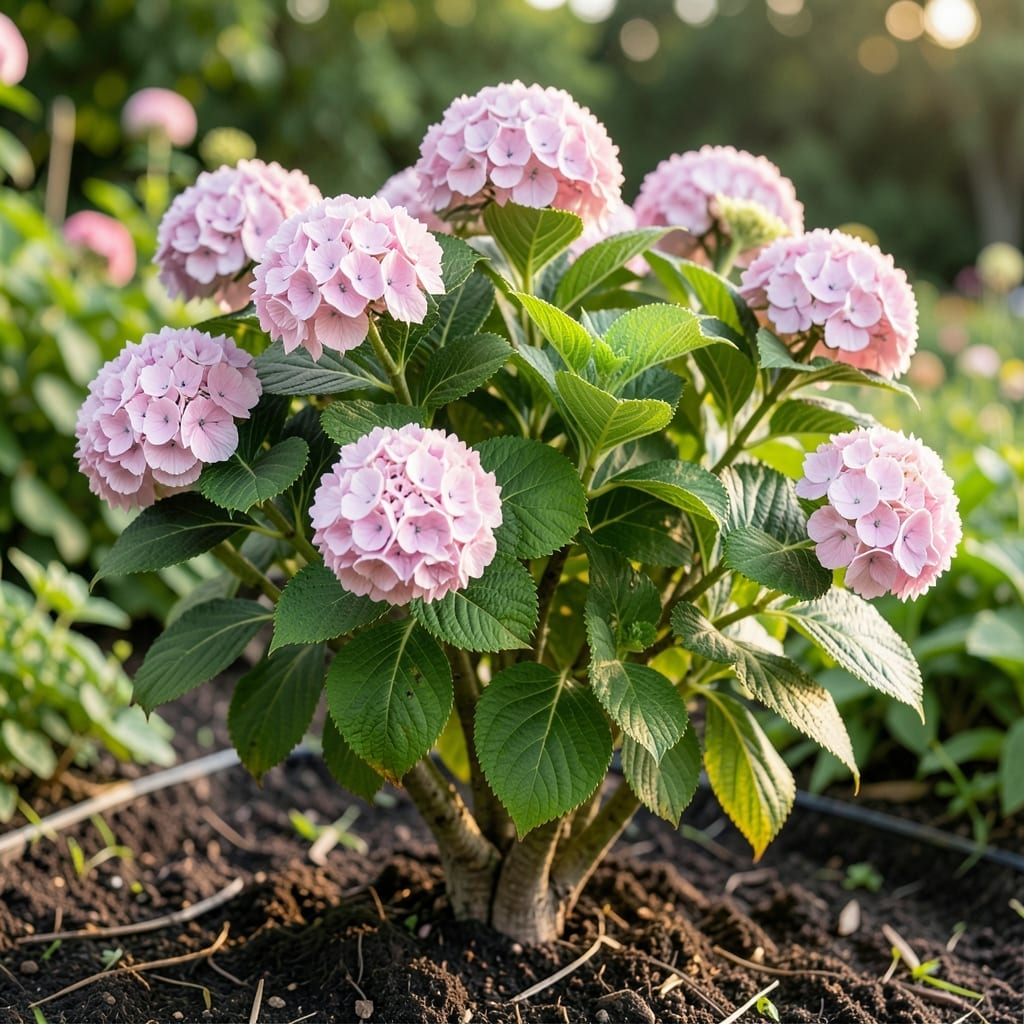
Nothing transforms a garden quite like the lush blooms of a Hydrangea 🌸. Yet many gardeners watch their plants struggle, unaware that light exposure is often the culprit.
Too much sun can scorch those beautiful flowers, while too little leaves you with weak, bloom-less stems. The right balance makes all the difference for vibrant, healthy growth.
Discover how to give your Hydrangea the perfect amount of light, no matter your climate or garden setup. Let’s get it thriving.
 Best Window Placement
Not all Hydrangeas have the same light needs. The ideal shade balance depends on the variety you’re growing. Some thrive with morning sun, while others tolerate more exposure.
I’ve found that understanding your specific type is the first step to success. Bigleaf Hydrangeas often prefer more shade, while Panicle Hydrangeas can handle full sun in cooler climates.
| Variety | Light Requirement | Shade Tolerance |
| Bigleaf | Partial shade | High |
| Panicle | Full sun to partial shade | Moderate |
| Smooth | Partial to full shade | High |
| Oakleaf | Partial shade | High |
Bigleaf Hydrangeas are the most shade-loving. They flourish with 3-4 hours of morning sun and afternoon shade. Too much direct sun can scorch their leaves.
Panicle Hydrangeas are more sun-tolerant. In cooler zones, they can handle 6+ hours of sun, but in hotter climates, afternoon shade is still a must.
Smooth Hydrangeas prefer a bit more shade than Panicle. They do best with dappled sunlight or a few hours of direct morning light. Their blooms can fade in intense heat.
Oakleaf Hydrangeas are the most shade-tolerant. They thrive in full shade but can also adapt to partial sun. Their unique leaves help them conserve moisture.
If you’re unsure about your variety, observe how it reacts to light. Wilting or brown leaves often mean too much sun, while poor blooming can signal insufficient light.
In my experience, even sun-loving varieties benefit from some shade protection during the hottest part of the day. This prevents stress and keeps blooms vibrant longer.
Remember, soil moisture plays a role too. Well-draining soil helps roots stay healthy, especially in shadier spots where water may linger.
Your Hydrangeas will tell you if their light conditions aren’t right. Scorched leaves or wilting in the afternoon often mean too much direct sun. These are clear distress signals.
On the other hand, weak stems or fewer blooms can indicate insufficient light. The plant may look leggy as it stretches for more sun.
If you see brown crispy leaves, move your Hydrangea to a spot with more afternoon shade. A shade cloth can help during peak sun hours. 🌿
For leggy plants with few blooms, gradually introduce more morning sunlight. Avoid sudden changes, as this can shock the plant.
In my garden, I’ve found that dappled light under trees works wonders. It provides enough sun for blooms while protecting from harsh rays.
Consistent soil moisture helps plants cope with light stress. Mulch around the base to retain water and regulate temperature.
Remember, light needs may change with the seasons. Adjust as the sun’s intensity varies throughout the year. ☀️