
Beautiful Plants For Your Interior
Beautiful Plants For Your Interior
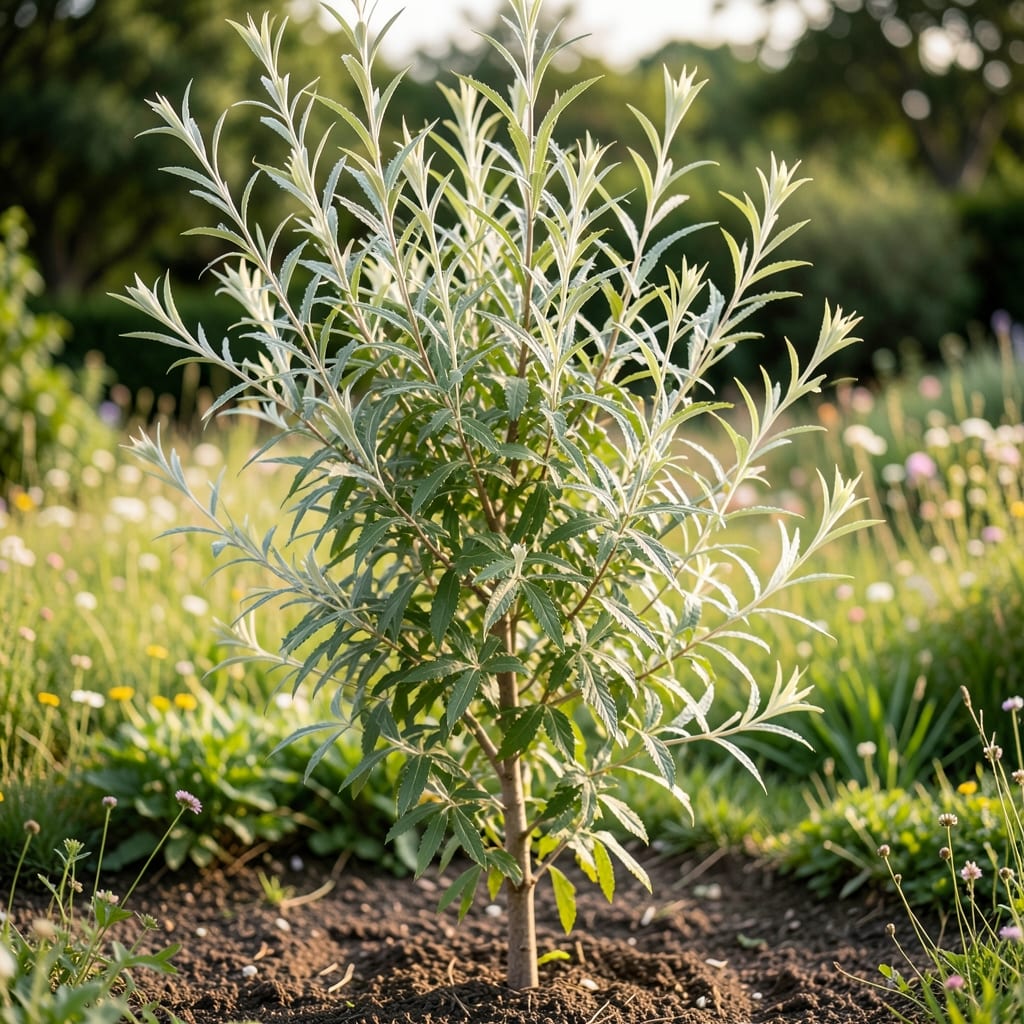
Hybrid willow leaves catch the light like nothing else in my garden. Their long, slender shape and silvery undersides make them stand out, but those same leaves can show the first signs of trouble.
I’ve learned to spot the early warnings—yellowing edges, dark spots, or unusual curling. Catching issues early means keeping these fast-growing trees healthy and disease-free for years.
📚 In This Guide
Use this method to diagnose issues early and protect your trees before problems spread.
Begin by examining both the upper and lower surfaces of the leaves for any discoloration, spots, or unusual patterns. I always start with the oldest leaves first, as symptoms typically appear there before spreading to newer growth. Look for yellowing between veins, brown or black spots, or a powdery white coating—each indicates a different potential disease.
Use a hand lens if available to check for tiny structures like fungal spores or insect eggs. Note the pattern: angular lesions often point to bacterial infections, while circular spots with defined edges suggest fungal issues. Document what you see with photos for comparison later.
Matching symptoms to known diseases narrows down your approach. Willow blight causes dark, water-soaked spots that expand rapidly, often with a yellow halo. Powdery mildew appears as a white, flour-like coating on leaf surfaces, usually in late summer when humidity spikes. Leaf rust produces orange or yellow pustules on the undersides.
I’ve found that tar spot is particularly distinctive—it creates raised, black, tar-like spots on the upper leaf surface. If leaves curl and develop a grayish cast, suspect willow anthracnose, which thrives in cool, wet springs. Cross-reference your observations with a reliable plant disease guide for confirmation.
Remove and destroy any severely infected leaves or branches immediately to prevent the disease from spreading. I use pruners sterilized with 70% isopropyl alcohol between cuts to avoid transmitting pathogens. Increase air circulation by thinning out dense foliage, which reduces humidity levels that many fungal diseases favor.
Avoid overhead watering, as wet leaves create ideal conditions for spores to germinate. Water at the base of the tree in the early morning so foliage has time to dry. If the tree is in a high-traffic area, consider mulching with 2-3 inches of organic material to prevent soil-borne spores from splashing onto leaves during rain.
For fungal diseases like powdery mildew or rust, apply a copper-based fungicide or neem oil according to label instructions. I spray in the evening to avoid harming pollinators and reapply after rain. Bacterial diseases, such as willow blight, are harder to control—remove infected material and avoid working with the tree when it’s wet to limit spread.
In cases of severe infection, a systemic fungicide may be necessary, but I reserve this for extreme cases. Always follow the manufacturer’s dosage and timing recommendations. Monitor the tree closely after treatment, as some diseases may require multiple applications over 2-3 weeks for full control.
Keep a close eye on your willow throughout the growing season, especially during periods of high humidity or frequent rain. I check my trees weekly for early signs of trouble. Maintain tree vigor through proper watering, fertilization, and pruning—healthy trees are better equipped to resist disease.
In fall, rake and remove all fallen leaves to eliminate overwintering spores. If disease problems persist year after year, consider replacing the tree with a more resistant hybrid willow variety. Prevention is always easier than cure, and a proactive approach will save you time and frustration in the long run.
Small details make the difference between early detection and widespread infection.
Inspection Technique: Always examine both leaf surfaces with a hand lens as mentioned in Step 1. The difference between angular bacterial lesions and circular fungal spots is subtle but critical—angular lesions often have yellow halos, while fungal spots have more defined edges. I learned this the hard way after misdiagnosing a blight outbreak as rust.
The Timing Factor: Willow anthracnose thrives in cool, wet springs, while powdery mildew appears in late summer humidity spikes as noted in Step 2. Don’t wait for symptoms to spread—begin your weekly inspections at the first sign of seasonal change. Early detection gives you a fighting chance to contain the problem.
Cultural Control Critical: The 2-3 inches of organic mulch mentioned in Step 3 isn’t just about moisture retention. It creates a physical barrier that prevents soil-borne spores from splashing onto leaves during rain. I skipped this once and watched tar spot spread through my entire willow in a single storm.
Treatment Timing: For the 2-3 weeks of monitoring after treatment in Step 4, set calendar reminders. Some fungal diseases like rust can appear controlled initially, only to flare up again if you stop applications too soon. Consistency beats intensity with fungicide treatments.
Yellowing leaves often indicate nutrient deficiencies (like nitrogen or iron) or overwatering. Check soil moisture and fertilize if needed. Pests or fungal diseases may also cause discoloration.
Early spring or late fall is ideal for preventive treatments. Act at the first sign of disease—like spots or wilting—to prevent spread. Avoid extreme heat or frost.
Neem oil, baking soda sprays, or copper-based solutions can combat fungal issues. Remove infected leaves promptly and improve air circulation to reduce humidity.
Space plants properly, avoid overhead watering, and prune dense foliage. Apply sulfur-based sprays preventively in humid conditions.