
Beautiful Plants For Your Interior
Beautiful Plants For Your Interior
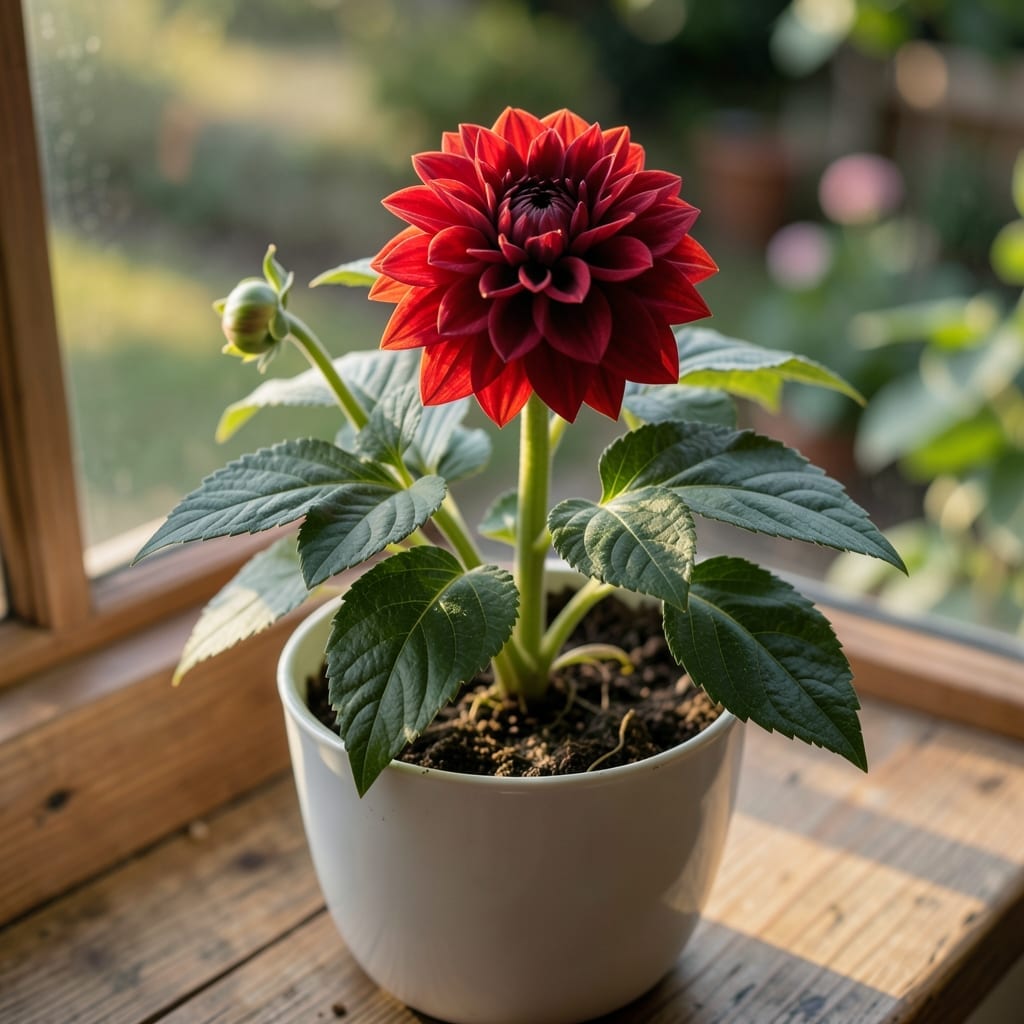
I dug up my first batch of dahlia tubers last fall looking like shriveled rocks. Turns out, that’s normal. The real test comes when you look closer for signs of life—or its absence.
Check for firmness first—healthy tubers feel like potatoes, not raisins. Then hunt for tiny eyes or buds, even if they’re just barely visible. If the flesh is squishy or smells foul, it’s gone.
Don’t toss borderline tubers yet. A 24-hour soak in lukewarm water can revive dehydrated ones, bringing them back from the brink. I’ve saved more this way than I’d like to admit.
Prevention is simpler than diagnosis. Store tubers in a cool, dry spot with good airflow, and you’ll avoid this guesswork next season.
Understanding why dahlia tubers fail can help you prevent future losses. Here are the most common causes, backed by horticultural science:
Dahlias are tender perennials, meaning their tubers cannot survive freezing temperatures. Exposure to below 25°F (-4°C) causes cellular damage, leading to rot or desiccation. Conversely, storing tubers in areas above 60°F (15°C) can trigger premature sprouting, depleting their energy reserves before planting season.
Too much moisture is a death sentence for dormant tubers. Fungal pathogens like Fusarium or Phytophthora thrive in soggy conditions, causing soft rot. On the flip side, bone-dry storage (below 40% humidity) leads to desiccation, shrinking tubers into lifeless husks. Ideal storage humidity: 50–60%.
Stagnant air traps ethylene gas (a natural plant hormone) and promotes mold growth. Tubers stored in sealed plastic bags or airtight containers suffocate. Use mesh bags, paper, or open crates to ensure ventilation.
Rodents, slugs, and tuber borers (like the dahlia gall midge) physically damage tubers, creating entry points for bacteria. Inspect tubers for holes, tunnels, or chew marks before storage. Diseased tubers (e.g., with powdery mildew or viral infections) can also spread pathogens to healthy ones.
Dahlia tubers have a finite lifespan. After 3–4 years, they lose vigor, producing weaker sprouts or failing to emerge. Dividing clumps annually rejuvenates them by separating healthy “eyes” (growth nodes) from exhausted tissue.
If your dahlia tubers show signs of life but seem weak, don’t give up yet! Here’s how to fix common issues and prevent future problems.
If the tuber feels mushy or smells foul, it’s likely rotting. Trim away the affected areas with a clean knife, then let the cuts dry for a day. Replant in fresh, well-draining soil and reduce watering. Prevention tip: Store tubers in a cool, dry place with good airflow to avoid moisture buildup.
Wrinkled or shriveled tubers may just be dehydrated. Soak them in lukewarm water for 1–2 hours to rehydrate, then plant in moist (not soggy) soil. Prevention tip: Check stored tubers monthly and mist lightly if they feel dry.
Holes or tunnels in tubers mean pests like slugs or earwigs. Soak the tuber in a mild insecticidal soap solution for 10 minutes, then rinse and plant. For prevention, store tubers with diatomaceous earth or cedar shavings to deter bugs.
Blackened or soft spots from frost? Cut off the damaged parts and plant the healthy sections. Prevention tip: Dig up tubers before the first frost and store them in a temperature-controlled space (40–50°F).
Pro tip: 💡 Always use sterilized tools when trimming tubers to avoid spreading disease. If a tuber is completely hollow or crumbles, it’s beyond saving—compost it and start fresh!
It should feel firm like a potato and have a smooth, slightly wrinkled surface. Look for tiny eyes or buds—these are signs of life. No squishy spots or foul odors should be present.
Often yes! Soak them in lukewarm water for 1-2 hours to rehydrate. If they plump up and feel firm afterward, they’re likely salvageable. Plant them in moist, well-draining soil.
With proper storage in a cool, dry place with good airflow, tubers can last 6-8 months. Check them monthly for signs of rot or dehydration. Ideal conditions are 40-50°F with 50-60% humidity.
Excess moisture or poor ventilation causes fungal growth. Always store tubers in mesh bags or open crates—never in sealed plastic. Avoid damp areas to prevent soft rot.