
Beautiful Plants For Your Interior
Beautiful Plants For Your Interior
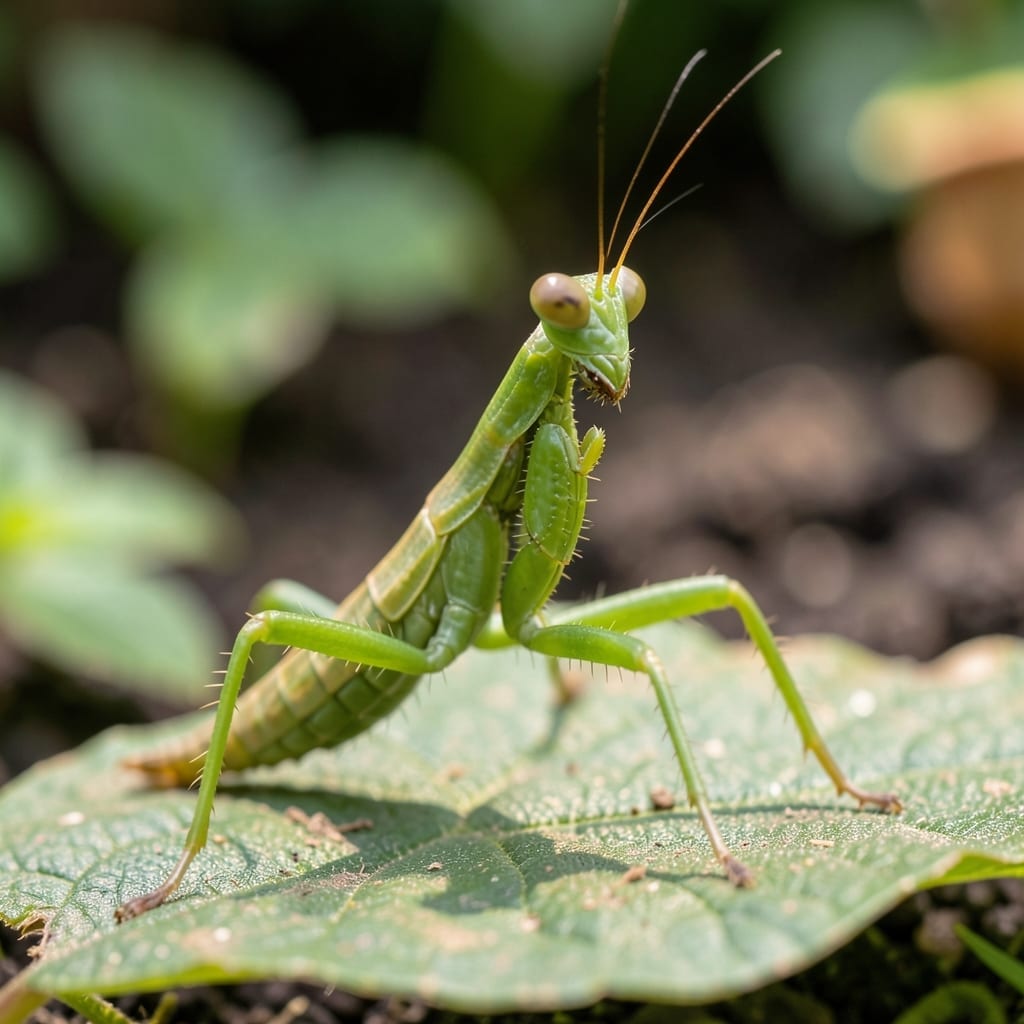
Nothing ruins a garden faster than watching pests devour your plants overnight. I’ve lost entire rows of seedlings to hungry critters, but organic solutions can turn the tide without harsh chemicals.
The key is working with nature, not against it. Beneficial insects, companion planting, and simple barriers create a foolproof defense that keeps bugs at bay while protecting your harvest.
You’ll notice fewer chewed leaves within days and healthier plants that actually resist pests. The best part? These methods get stronger over time as your garden ecosystem balances out.
Works for vegetable gardens, flower beds, and even container plants. Here’s how to reclaim your garden from those leaf-munching invaders.
Understanding why bugs target your plants is the first step to stopping them. Here are the most common causes, explained with science-backed clarity:
Plants loaded with nitrogen, sugar, or moisture act like a buffet sign for insects. Aphids, for example, are drawn to the high sap content in soft, new growth. Over-fertilizing with nitrogen (especially synthetic types) creates tender leaves that pests crave. Balance soil nutrients with compost or organic amendments to avoid this.
Both underwatering and overwatering stress plants, emitting chemical signals that attract pests. Drought-stressed plants release volatile organic compounds (VOCs) that beacon bugs like spider mites. Meanwhile, soggy soil fosters fungus gnats and root rot, which weakens plants further. Aim for consistent moisture—water deeply but infrequently, and always at the base.
Monoculture gardens (growing one plant type in a large area) create a pest paradise. Without natural predators or plant diversity, insect populations explode. For instance, a row of solely cabbage plants invites cabbage worms with no resistance. Interplant with repellent species (like marigolds or basil) to disrupt pest cycles.
Fallen leaves, dead plants, and weeds provide shelter and breeding grounds for insects. Slugs, for example, thrive in damp, decaying matter. Regularly clear debris and practice crop rotation to break pest life cycles. A tidy garden is a less inviting one.
When bugs start munching on your plants, quick and targeted action can save your garden. Below are practical fixes for common causes, along with prevention tips to keep pests at bay long-term.
Use a strong spray of water from a hose to dislodge aphids, mites, and other small pests. Do this early in the day so foliage dries quickly. For stubborn infestations, apply insecticidal soap or neem oil (mix 1 tbsp oil + 1 tsp dish soap per gallon of water) and spray directly on bugs. Prevent recurrence by encouraging beneficial insects like ladybugs with companion plants (e.g., marigolds or dill).
Create a physical barrier with crushed eggshells, diatomaceous earth, or copper tape around plant bases. These irritate or repel slugs. Alternatively, set out beer traps (bury a shallow container filled with beer at soil level—they’ll drown in it). Prevention tip: 💡 Water plants in the morning so soil is dry by night, as slugs thrive in damp conditions.
Check leaves daily and handpick visible pests (drop them in soapy water). For larger infestations, use Bacillus thuringiensis (BT), a natural bacteria that targets caterpillars without harming other insects. Apply it to leaf undersides. To prevent future issues, rotate crops and remove plant debris where eggs may overwinter.
Healthy plants resist pests better! ✨ Boost resilience with these habits:
Inspect leaves and stems at least 2-3 times per week, especially after rain. Early morning is ideal since pests are most active then. Focus on leaf undersides where many insects hide.
For most home gardens, yes! Neem oil or insecticidal soap work well for small infestations. They’re safer for beneficial insects and won’t harm your plants long-term.
Planting marigolds or basil near vulnerable plants repels pests naturally. This method also attracts pollinators, boosting your garden’s overall health.
Overusing nitrogen fertilizer creates tender leaves that pests love. Stick to balanced, organic options and maintain consistent watering to avoid stressing plants.