
Beautiful Plants For Your Interior
Beautiful Plants For Your Interior
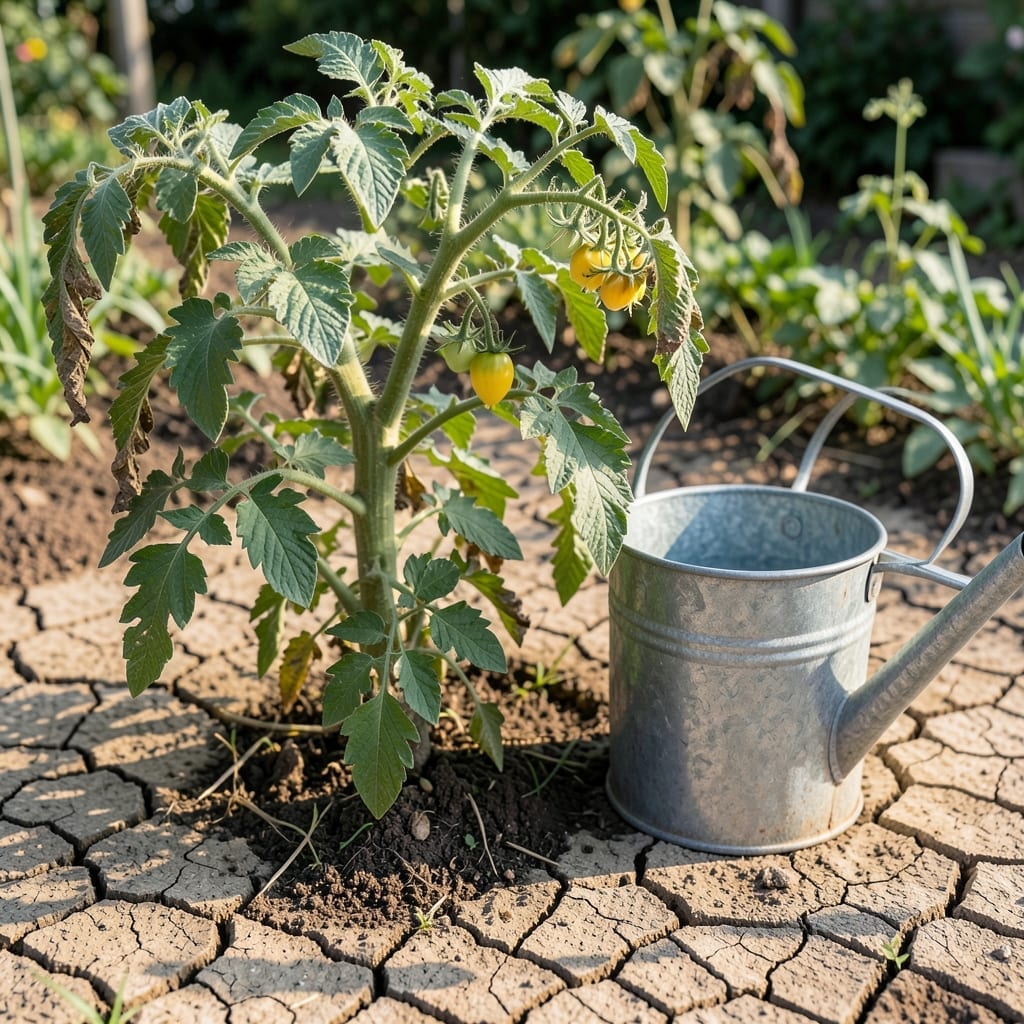
That sinking feeling when you see drooping leaves hits hard. I’ve revived more wilted plants than I can count, and the first step is always the same: stop watering until you diagnose the real problem.
Most wilting isn’t permanent—it’s your plant’s SOS signal. Underwatering, overwatering, or heat stress usually cause it. The fix often takes 24-48 hours once you correct the issue, and you’ll see leaves perk up like nothing happened.
I learned the hard way that more water isn’t always the answer. Now I check soil moisture first, then adjust light and temperature. The recovery rate with this approach is shocking—even plants that look goners often bounce back.
Works for houseplants, garden beds, and container plants alike. Here’s how to play plant doctor the right way.
Understanding why plants wilt is the first step to reviving them. Wilting is a defense mechanism—your plant’s way of saying, “I’m stressed!” Here are the most common causes, broken down for clarity and action.
Plants wilt when their cells lack water. Without adequate moisture, turgor pressure (the internal pressure that keeps stems and leaves rigid) drops, causing drooping. This is especially common in fast-draining soils or when watering is inconsistent. Check the soil: if it’s bone-dry 1–2 inches down, thirst is the culprit.
Too much water suffocates roots, preventing them from absorbing oxygen. This leads to root rot, where roots decay and fail to transport water and nutrients. Wilting from overwatering often comes with yellowing leaves or a foul soil smell. Poor drainage or heavy pots can worsen this.
High temperatures accelerate transpiration (water loss through leaves). If the roots can’t keep up with the demand, the plant wilts to reduce surface area exposed to heat. This is common in midday sun or near heat sources. Leaves may also feel crispy or curled.
Sap-sucking pests like aphids, spider mites, or whiteflies drain a plant’s fluids, leading to wilting. Similarly, fungal or bacterial infections (e.g., Fusarium or Verticillium wilt) clog the plant’s vascular system, blocking water flow. Look for sticky residue, webbing, or dark spots on leaves.
A lack of key nutrients—especially potassium, magnesium, or nitrogen—can weaken cell walls, making plants more prone to wilting. Over-fertilizing can also cause salt burn, damaging roots and reducing water uptake. Test your soil if wilting persists despite proper watering.
Wilted plants can often bounce back with the right care. Here’s how to tackle the most common causes and get your greenery thriving again.
If the soil is bone-dry, give your plant a thorough drink. Submerge the pot in a bowl of room-temperature water for 10–15 minutes, letting the roots absorb moisture from the bottom up. Prevention tip: Check soil moisture by sticking your finger an inch deep—if it feels dry, it’s time to water. 💡 Use a moisture meter for precision.
Root rot from excess water needs immediate action. Remove the plant from its pot, trim any black or mushy roots, and repot it in fresh, well-draining soil. Prevention tip: Ensure pots have drainage holes and use a chunky soil mix (like perlite or sand) to improve airflow. 🎯 Water only when the top inch of soil is dry.
Move your plant to a shadier spot or filter direct sunlight with a sheer curtain. If leaves are crispy, trim the damaged parts to redirect energy to healthy growth. Prevention tip: Research your plant’s ideal light conditions—some thrive in bright indirect light, while others prefer low light. ☀️
Keep plants away from drafts, heaters, or AC vents. Most houseplants prefer temperatures between 65–75°F. Prevention tip: Avoid sudden temperature swings by keeping plants in a consistent spot away from doors or windows that open frequently. 🌡️
Wipe leaves with a damp cloth to remove pests like spider mites or aphids. For stubborn cases, use a mild insecticidal soap or neem oil spray. Prevention tip: Inspect plants regularly and isolate new additions for a week to prevent spreading pests. 🐜
Most plants perk up within 24-48 hours once the issue is fixed. Severe cases may take up to a week, depending on root damage.
Yes! Remove the plant, trim rotten roots, and repot in fresh, dry soil. Well-draining mix is critical to prevent recurrence.
Trim only if they’re crispy or yellow. Otherwise, wait for recovery—leaves may bounce back once the plant rehydrates.
No, pests, disease, or extreme temperatures can also cause wilting. Check for bugs, spots, or foul soil odors first.